

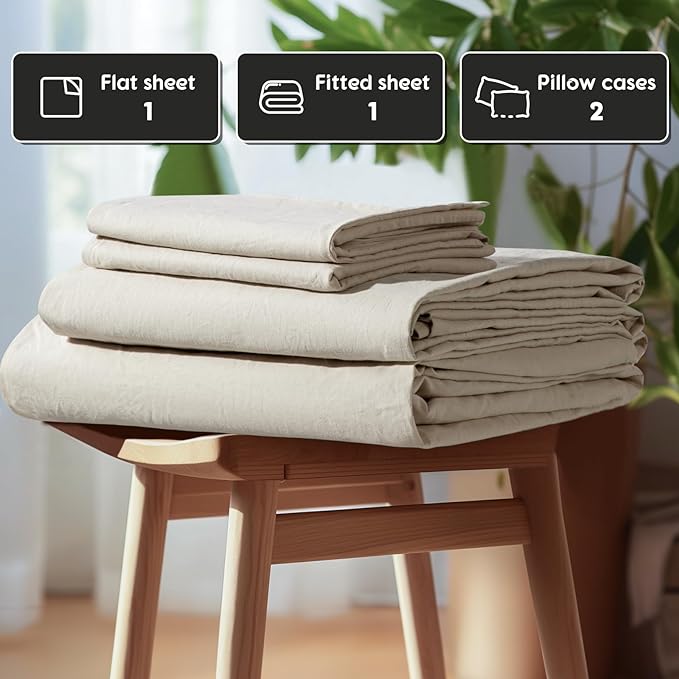
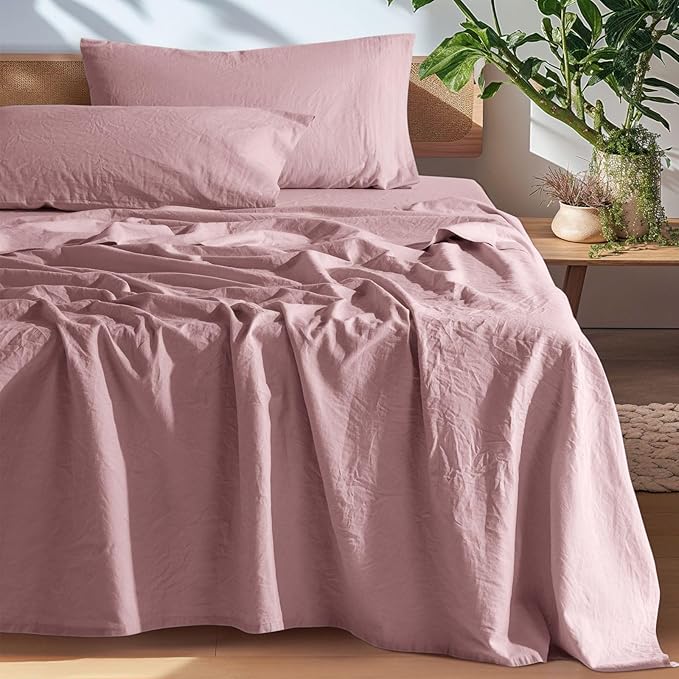
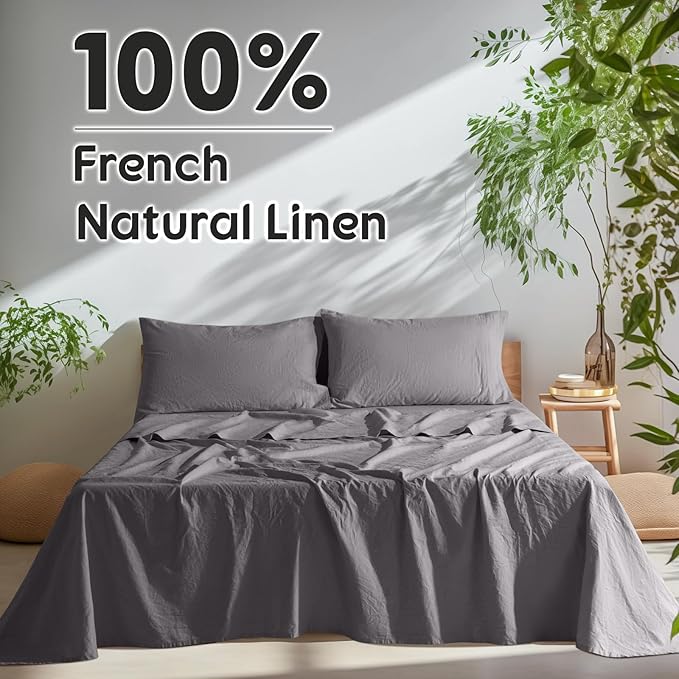


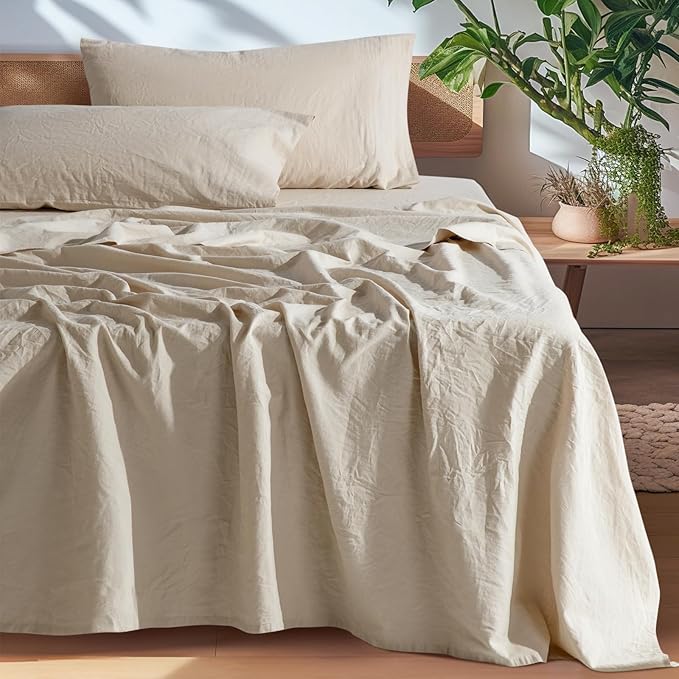

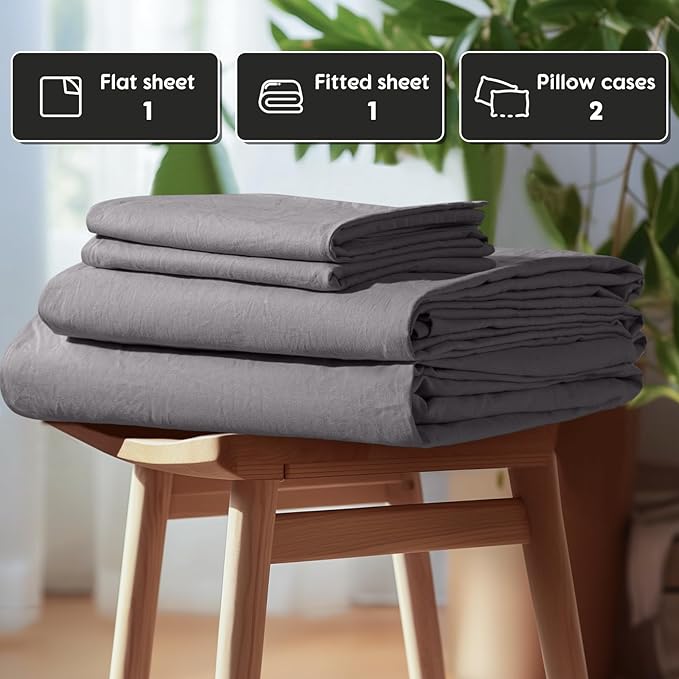
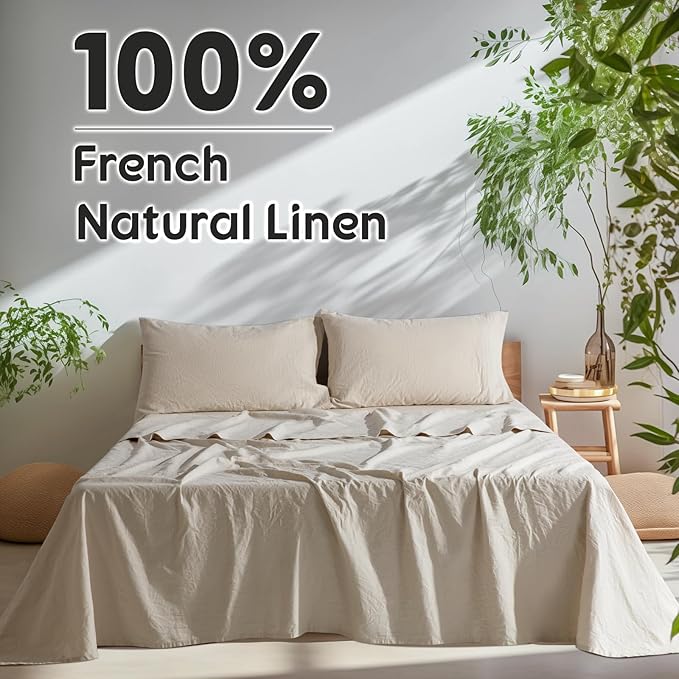

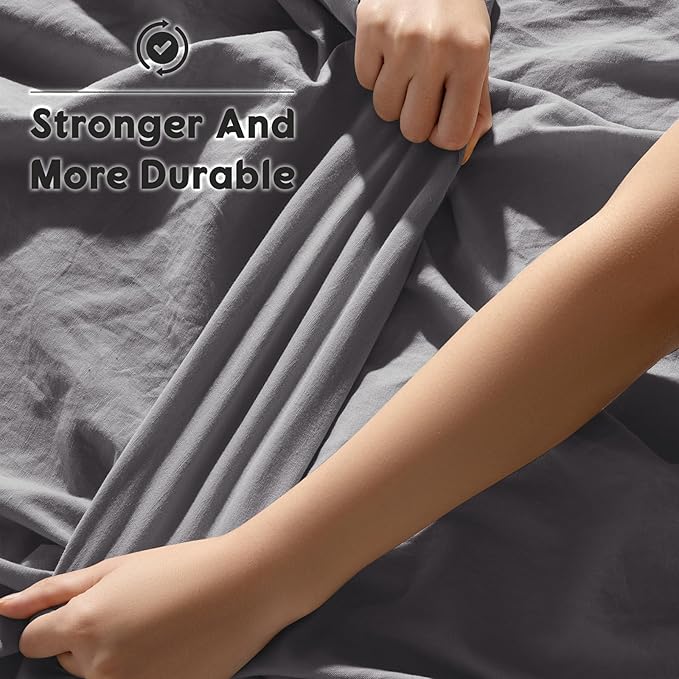
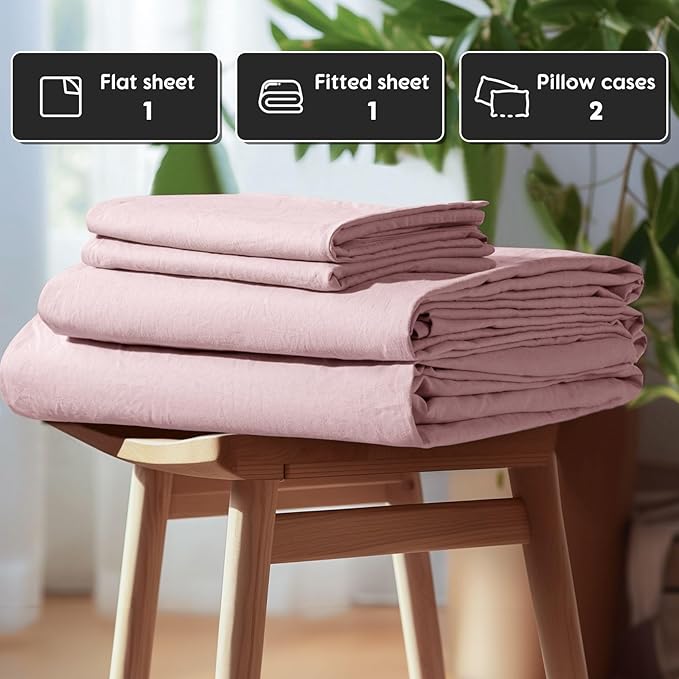
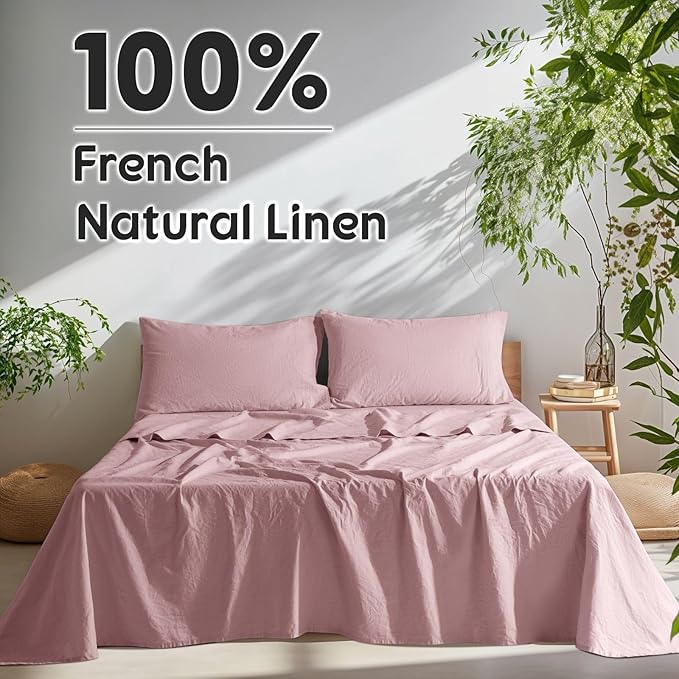
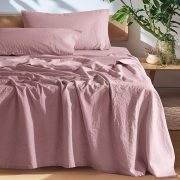



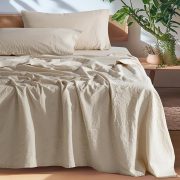

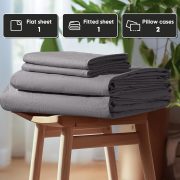


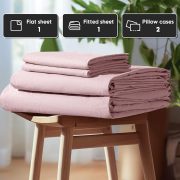
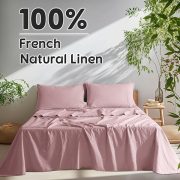


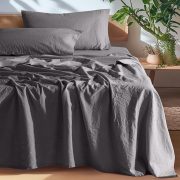
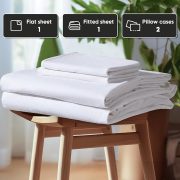
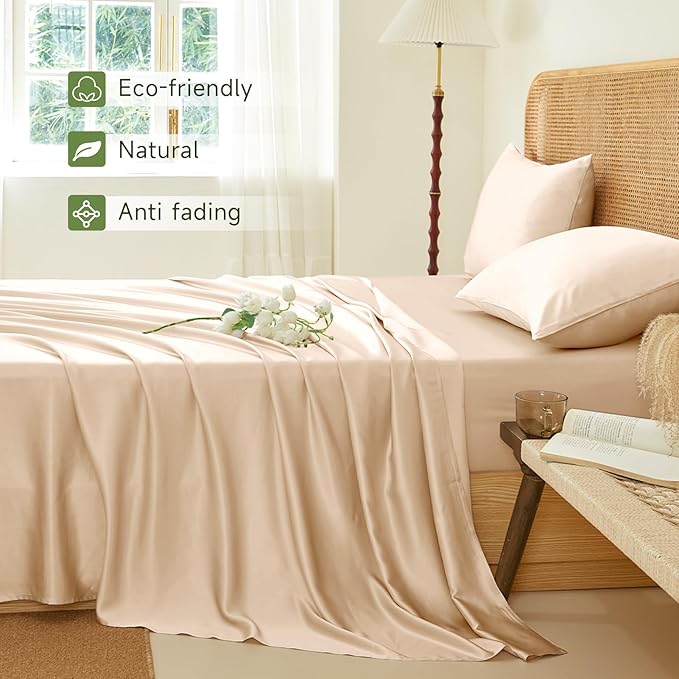
Cotton Linen Blended Flat Sheet Set:Balancing Texture and Practicality Through Controlled Scale Production
Linen represents authenticity.
Cotton represents familiarity.
When blended at the yarn stage, they form something commercially strategic: a textile that preserves linen’s natural texture while moderating its rigidity through cotton’s flexibility.
A cotton linen blended flat sheet set is not positioned as extreme luxury, nor as mass commodity. It occupies a functional premium segment — breathable, textured, durable, and approachable in price.
But like all natural-fiber programs, success depends not only on fiber composition. It depends on disciplined execution:
Single-color focus.
Single-pattern limitation.
And a minimum 2000-meter fabric commitment per run.
Without scale and control, blended fabrics become inconsistent in both cost and quality.

Understanding Cotton Linen Blended Yarn
In a cotton linen blended construction, fibers are mixed before spinning. The resulting yarn contains both cotton and flax fibers distributed within the same strand.
This differs fundamentally from interwoven structures. Here, cotton and linen share the same yarn body. Their properties interact continuously along the thread.
The benefit of blending at the yarn stage includes:
Improved softness compared to pure linen
Reduced stiffness
Enhanced wrinkle recovery
Lower raw material cost volatility
However, blending introduces complexity.
Linen fibers vary in length and rigidity. Cotton fibers vary in fineness and maturity. Achieving homogeneous distribution within a yarn requires calibrated spinning control.
Inconsistent small-batch production increases variability in yarn composition. Over short runs, blend ratios may fluctuate subtly, impacting hand feel and dye uptake.
Scale stabilizes blending precision.

Why the Flat Sheet Demands Structural Consistency
The flat sheet is the most exposed element of a bedding set. It presents the largest continuous fabric surface. Any inconsistency in yarn blending becomes visually and tactically evident.
If blend ratios shift slightly between batches, differences appear in:
Surface smoothness
Color depth
Drape behavior
Pilling resistance
Because cotton absorbs dye more readily than linen, shade results depend heavily on consistent blend percentages.
Fragmented production — 600 to 800 meters per color — increases cross-lot variance. Customers may notice tonal difference between reorders.
A disciplined 2000-meter production run minimizes these risks.
Single-Color Strategy for Blended Fabric
Cotton linen blends possess inherent visual dimension due to linen fiber irregularity. Even in solid colors, subtle heathered effects appear naturally.
This characteristic makes heavy color variation unnecessary.
When brands attempt to expand into multiple shades per season, they create operational instability:
Multiple lab dips
Increased dye calibration
Higher rejection risk
Inventory fragmentation
By committing to a single core color per 2000-meter run, production gains structural clarity.
Recommended core tones include:
Natural flax beige
Soft ivory
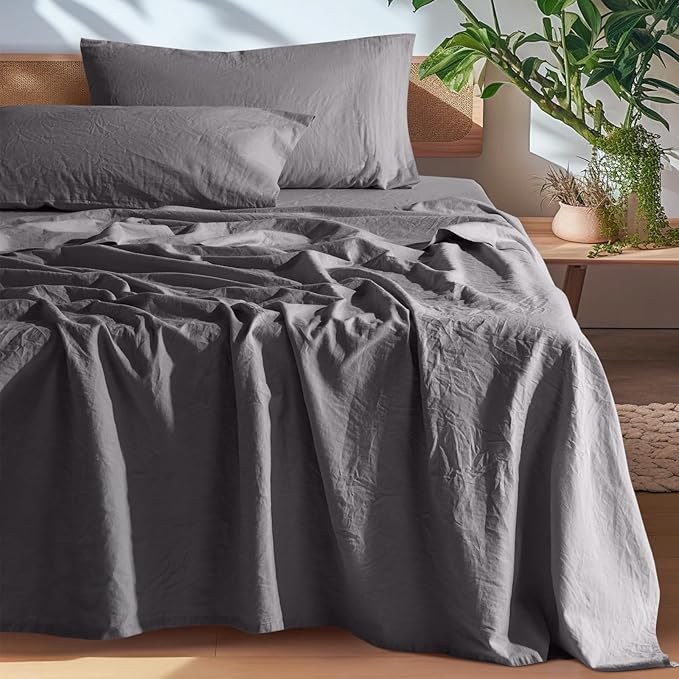
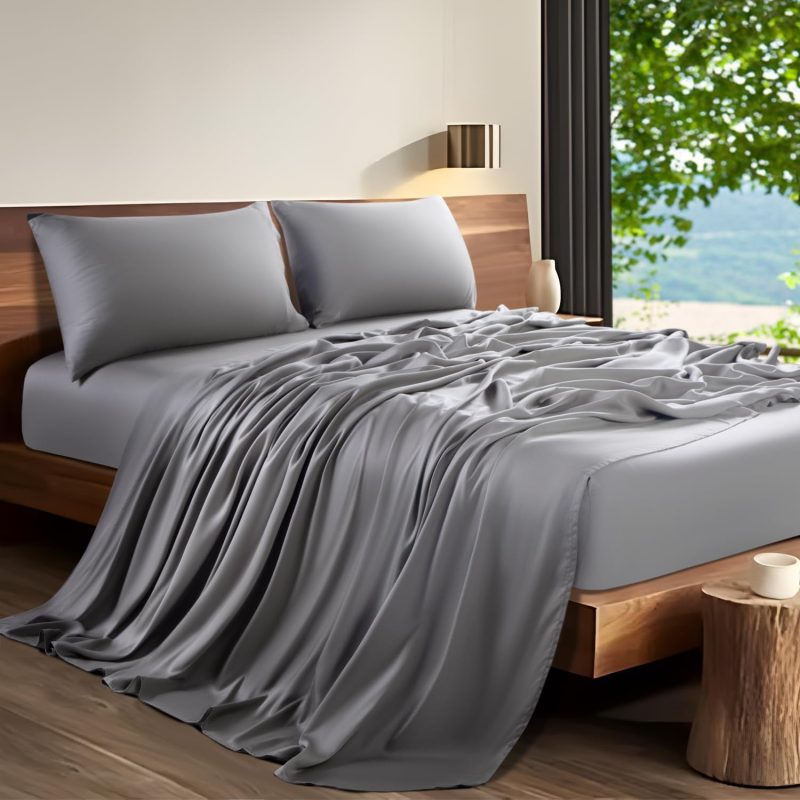
Dusty grey
Muted clay
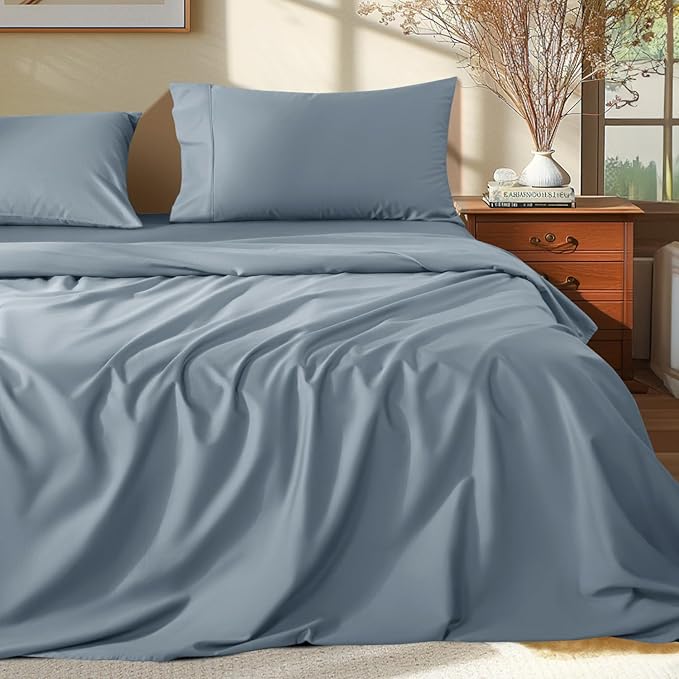
Stone blue
These shades complement the blend’s organic texture and mask minor fiber irregularities gracefully.
Excessive brightness or deep saturation exaggerates inconsistencies.
In blended fabrics, restraint enhances cohesion.
The 2000-Meter Minimum: Technical and Commercial Necessity
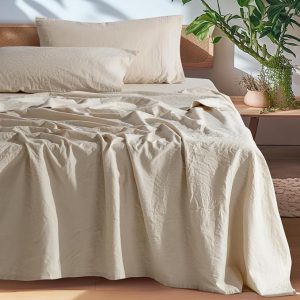
Spinning blended yarn requires setup calibration. Carding and drawing frames must distribute cotton and linen evenly. Each adjustment consumes time and material.
Short production runs increase:
Machine reset frequency
Waste fiber output
Blend inconsistency risk
When fabric weaving begins, loom efficiency also benefits from continuity. Cotton linen blended yarn exhibits different tension behavior compared to pure cotton. Operators require time to stabilize warp tension.
A 2000-meter run allows:
Yarn distribution consistency
Loom tension stabilization
Dye absorption normalization
Finishing standardization
Cost per meter decreases as setup waste spreads across larger output.
Below 2000 meters, efficiency deteriorates rapidly.
Single-Pattern Limitation
Printing on cotton linen blends demands careful ink penetration control. Linen fibers resist dye slightly more than cotton. As a result, high-density or multi-layer prints risk uneven coloration.
A single-pattern strategy — limited to one stable design per 2000-meter commitment — protects quality control.
Ideal patterns for cotton linen blended flat sheet sets include:
Low-contrast stripes
Subtle crosshatch textures
Minimalist block motifs
Tone-on-tone botanicals
Avoid overly complex multicolor graphics.
The fabric’s natural character should remain the visual focal point.
Multiple seasonal prints dilute brand identity and complicate production scheduling.
Controlled repetition builds consistency.
Weave Structure and Performance
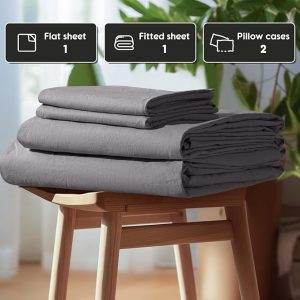
Cotton linen blended fabrics typically perform best in plain weave or semi-percale structures.
High thread counts are unnecessary. Linen fibers add structural body naturally. Excess density reduces breathability.
An optimal weave balances:
Airflow
Drape
Opacity
Durability
Because cotton contributes elasticity and linen contributes rigidity, the blend achieves moderate wrinkle expression — less severe than pure linen, more authentic than cotton alone.
However, weave consistency depends on continuous loom operation.
Frequent stops and starts during short runs increase warp tension fluctuation and weft irregularity.
Scale protects structure.
Cost Modeling Through Focus
Natural fibers already carry raw material volatility. Cotton prices fluctuate with global crop cycles. Linen depends on regional flax harvest conditions.
When brands add fragmented color programs and short-run experimentation on top of fiber volatility, cost instability compounds.
A focused program built on:
One color
One pattern maximum
2000-meter minimum production
Transforms unpredictability into manageable forecasting.
Benefits include:
Bulk yarn purchasing leverage
Reduced dye chemical waste
Lower sampling duplication
Simplified packaging standardization
Operational simplicity improves gross margin resilience.
Inventory Rationalization
Excess SKU expansion leads to inventory stagnation.
Cotton linen blended flat sheet sets are most effective when positioned as timeless core collections.
Rather than offering five seasonal tones, consolidate demand into one strong signature shade.
Inventory turnover improves.
Reorder cycles accelerate.
Warehouse complexity decreases.
Scale builds replenishment confidence.
Retail partners prefer stable programs over experimental rotations.
Durability and Wash Performance
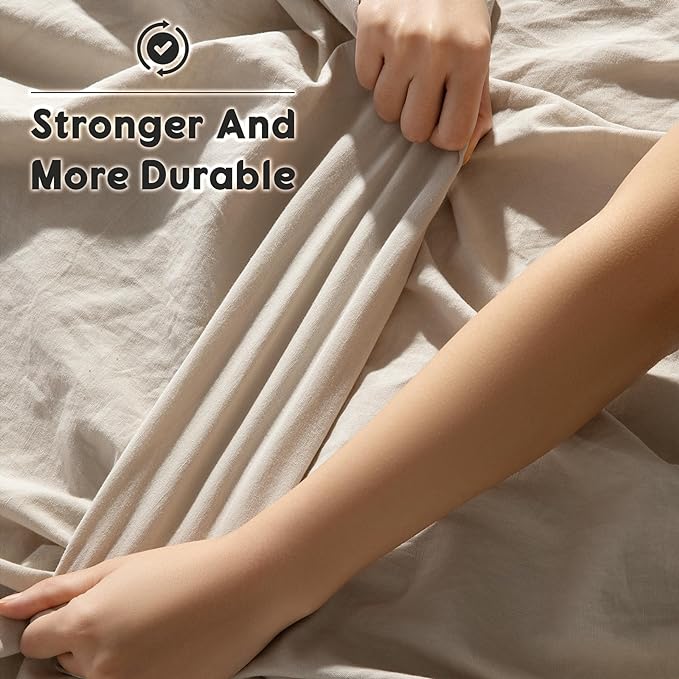
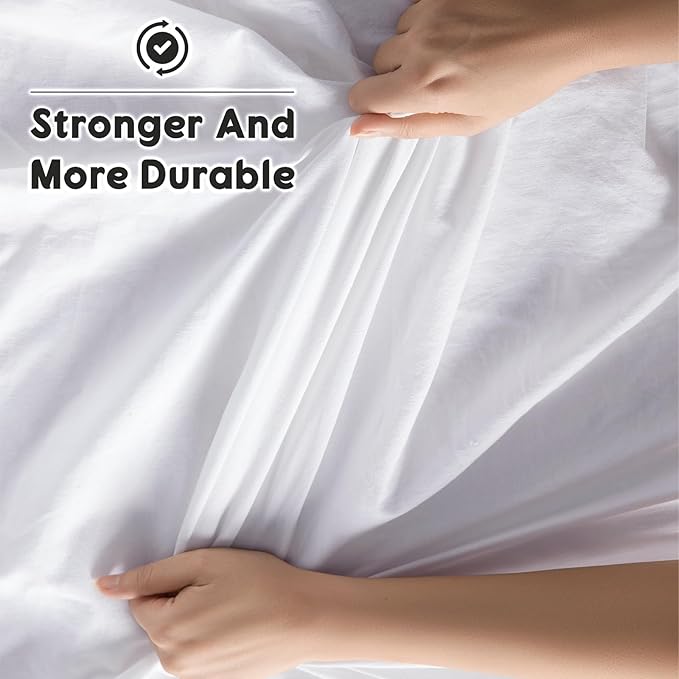
Blended yarn construction improves pilling resistance compared to lower-grade cotton fabrics. Linen fibers add abrasion strength. Cotton fibers soften overall feel.
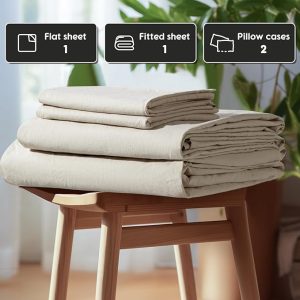
Over repeated washing:
Cotton components relax and smooth.
Linen fibers maintain structural character.
However, consistent performance depends on stable blend ratios across the entire 2000-meter lot.
Fragmented production risks variation in:
Shrinkage percentage
Surface texture
Colorfastness
Long continuous runs reinforce uniformity.
Sustainability Through Operational Discipline
Cotton linen blends offer improved longevity compared to pure cotton sheets, reducing replacement frequency.
But sustainability also depends on production efficiency.
Multiple small color runs increase:
Water usage per meter
Energy per dye batch
Fabric remnants
A 2000-meter continuous production minimizes changeover waste and reduces environmental impact per unit.
Scale can support sustainability when guided by discipline.
Brand Positioning Through Simplicity
Cotton linen blended flat sheet sets should communicate relaxed durability and understated elegance.
They are not designed for glossy perfection. They represent natural balance.
A restrained palette, consistent texture, and repeatable quality signal maturity.
Overexpansion into seasonal variation contradicts this positioning.
Luxury increasingly aligns with stability.
Stability requires commitment.
Supply Chain Advantage
Mills prioritize partners offering predictable volume. Blended yarn spinning schedules are easier to allocate when commitments exceed 2000 meters per fabric.
Stable buyers receive:
Priority yarn allocation
Earlier dye booking
More consistent finishing windows
During periods of raw material fluctuation, dependable volume partners gain operational preference.
Reliability becomes leverage.
Conclusion
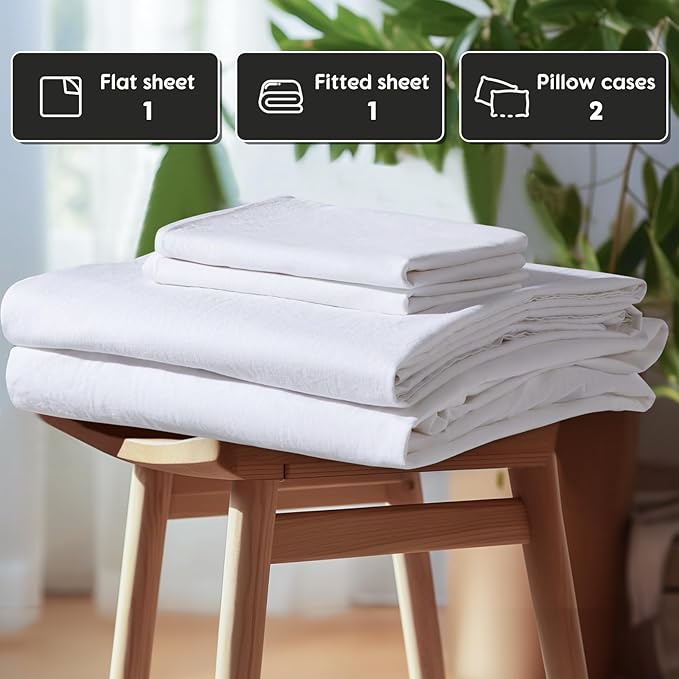
A cotton linen blended flat sheet set represents a pragmatic synthesis of texture and practicality.
By blending fibers at the yarn stage, the fabric achieves:
Improved softness
Controlled wrinkle behavior
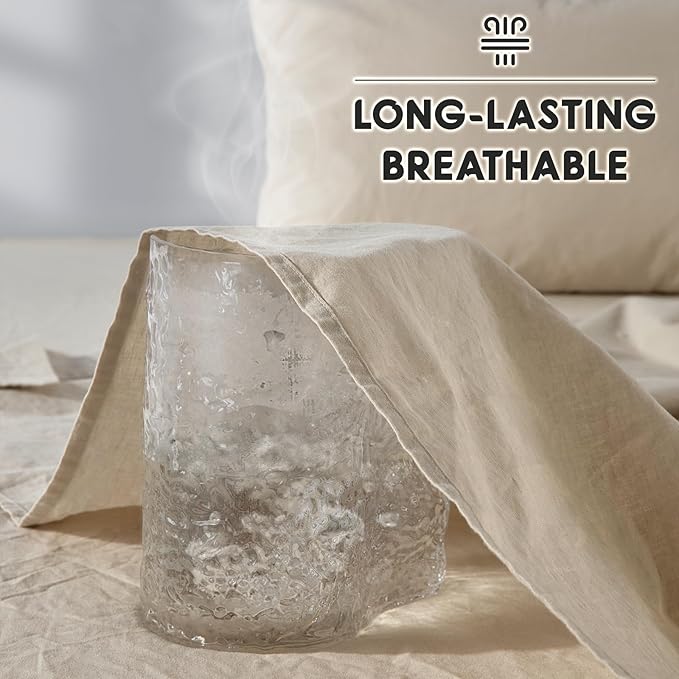
Durable breathability
Cost moderation
Yet this balance can only be preserved through disciplined production strategy
Single-color focus prevents dye inconsistency.
Single-pattern limitation protects visual clarity.
A 2000-meter minimum ensures blending precision and weaving stability.
In a marketplace saturated with variation, focus becomes competitive strength.
When cotton and linen are blended thoughtfully — and produced at scale — the result is not merely bedding.
It is structured reliability woven into every meter.
And in today’s bedding industry, reliability is the foundation of sustainable growth.

Reviews
There are no reviews yet.