100% Waterproof fitted sheet set description
Waterproof Fitted Sheet: Technical Structure, Market Logic, and Procurement Considerations for EU & US Buyers
In mature bedding markets such as North America and Europe, a waterproof fitted sheet is not positioned as a decorative product. It is a functional risk-management layer. For professional buyers, its role is simple but critical: protect the mattress asset, reduce return claims, extend product lifecycle, and meet hygiene expectations across residential and commercial environments.
Unlike duvet covers or decorative bedding, waterproof fitted sheets operate in the background. However, their technical design determines performance, customer satisfaction, and ultimately brand reputation. Understanding how waterproofing works—and how comfort is preserved while blocking liquids—is essential when sourcing for bulk programs.
Structural Composition: Why It Is Waterproof
The waterproof performance does not come from surface coating alone. It is achieved through a layered construction system.
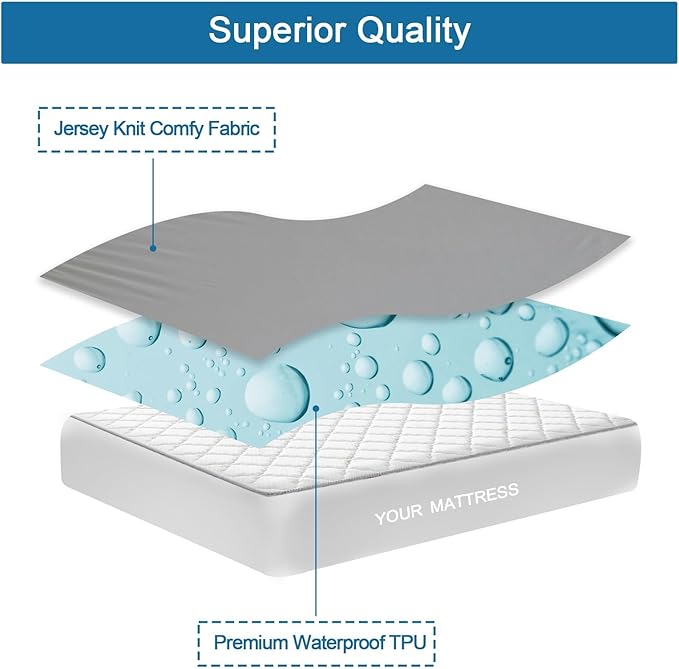
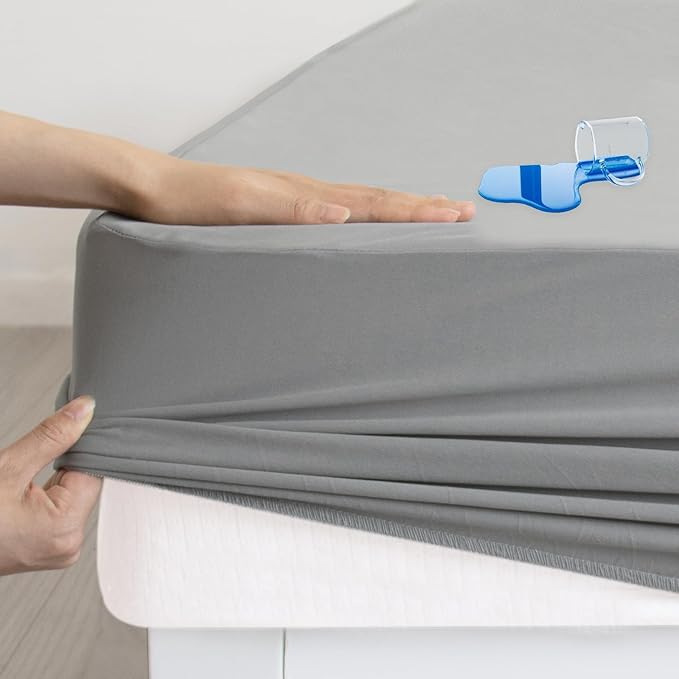
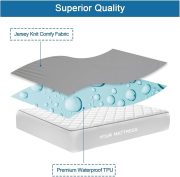
Based on the product structure shown:
Top Layer: Jersey Knit Comfort Fabric
Middle Layer: Premium Waterproof TPU Membrane
Base: Mattress Surface
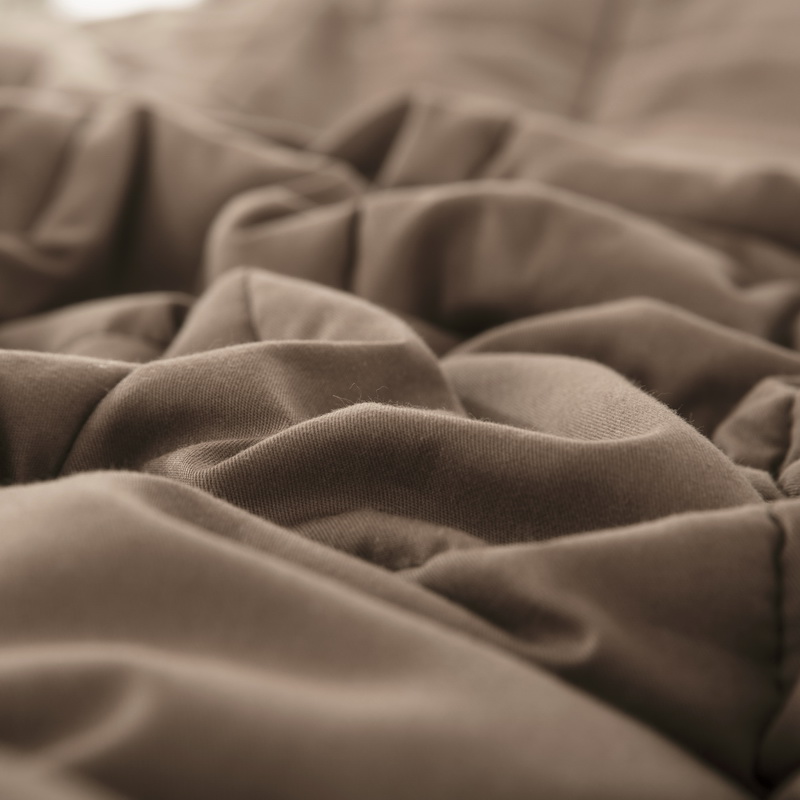
The top layer is a soft jersey knit fabric. This is important. In European and American markets, consumers are highly sensitive to tactile comfort. Traditional plastic-backed mattress protectors often fail due to noise and stiffness. Jersey knit construction solves this issue by offering stretch, softness, and natural drape similar to a T-shirt material.
Jersey knit has inherent elasticity due to looped knitting structure. Unlike woven fabric, which relies on yarn crossing at right angles, knitted fabric forms interlocking loops. This gives the sheet:
- Flexibility
• Body-conforming stretch
• Reduced surface tension
• Improved fit stability
The middle layer is the technical core: Premium TPU (Thermoplastic Polyurethane) waterproof membrane.
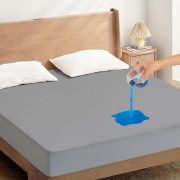
TPU functions as a micro-porous barrier. It prevents liquid molecules from passing through while allowing limited air vapor transmission. This is how the product achieves both waterproof and breathable performance simultaneously.
Liquid molecules (water, urine, spills) are larger and cannot penetrate the membrane.
Air vapor molecules (from body heat and perspiration) are smaller and can diffuse slowly through micro-pores.
This selective permeability is the reason the fitted sheet can remain breathable while maintaining waterproof protection.
Without TPU, waterproofing would require PVC or PE film, which blocks airflow entirely and creates heat retention and noise. TPU avoids this problem.
For procurement teams, this material choice directly impacts:
- Return rates
- Customer reviews
- Long-term brand credibility
- Compliance with EU material standards
Why It Is Lightweight and Noiseless
One of the key concerns in US and EU markets is the “plastic sound” issue. Consumers often complain that waterproof mattress covers create a crinkling noise when turning during sleep.
This product avoids that problem for two reasons:
Thin TPU Lamination
The TPU layer is laminated in a thin, flexible film rather than a thick coating. Thickness control during lamination determines softness and sound absorption.
Jersey Knit Surface Absorption
The knitted surface dampens sound. Its soft loop structure absorbs minor friction noise instead of amplifying it.
Lightweight construction also contributes to user comfort. Heavy waterproof protectors can trap heat and shift during movement. A lighter composite reduces sliding and improves mattress conformity.
For hospitality procurement, this becomes critical. Hotels require waterproof protection, but guests must not perceive the protective layer.
Breathability: The Balance Between Protection and Comfort
Waterproof products often fail in warm climates because they trap heat. In southern Europe and parts of the US, breathability is not optional.
TPU membrane technology enables vapor transmission while blocking liquid penetration. The breathability rate is influenced by:
- Membrane thickness
• Lamination bonding method
• Fabric density
A properly calibrated TPU lamination maintains a balance. Too thick, and heat retention increases. Too thin, and waterproof reliability decreases.
For bulk buyers, requesting breathability testing data (such as MVTR – Moisture Vapor Transmission Rate) is recommended when placing large retail programs.
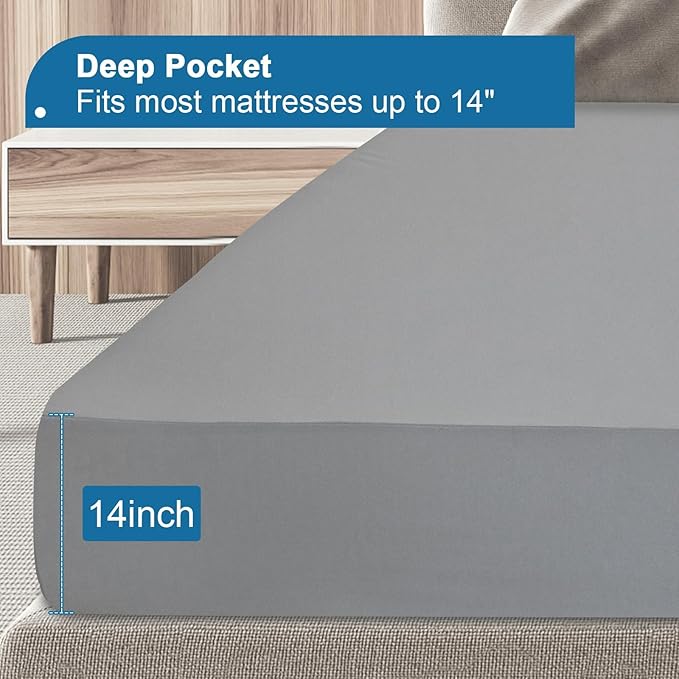
Deep Pocket Construction: 14 Inch Fit
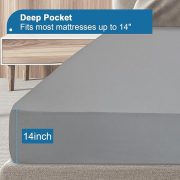
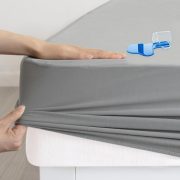
The image indicates a 14-inch deep pocket design.
Mattress height in the US market has increased significantly in the past decade. Hybrid and pillow-top mattresses commonly range between 10 and 14 inches, sometimes thicker.
A 14-inch pocket covers most standard mattresses without excessive looseness.
For European markets, mattress thickness tends to be slightly lower on average, but a 14-inch pocket remains commercially safe because elastic gathering accommodates thinner mattresses as well.
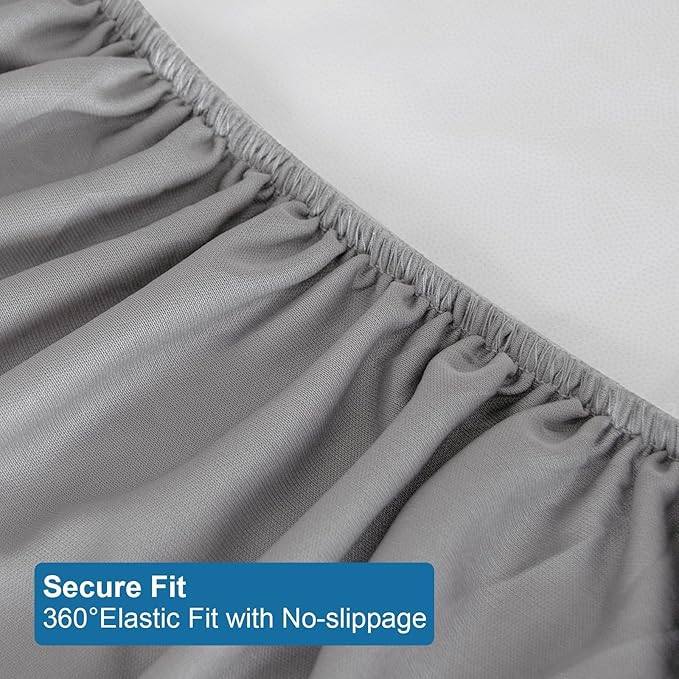
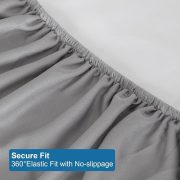
Elastic quality is important. A continuous elastic band around the entire perimeter provides better retention than corner-only elastic systems.
For distributors, proper pocket depth reduces complaints related to:
- Slipping
• Corner popping
• Incomplete mattress coverage
Application Segments in EU and US Markets
Waterproof fitted sheets are widely used in:
- Households with children
• Elderly care
• Pet owners
• Rental properties
• Student housing
• Hotels and serviced apartments
• Airbnb operators
In the US, mattress protection products have strong online sales performance due to clear functional value. In Europe, particularly Germany and Scandinavia, hygiene and mattress longevity are strong selling points.
Buyers targeting these markets must consider:
- Wash durability (machine washable cycles)
• Dryer compatibility (low heat recommended)
• Shrinkage control
• TPU delamination risk
Wash Durability and Lamination Stability
Waterproof fitted sheets must withstand repeated laundering.
The weak point in low-quality protectors is lamination separation. If TPU is poorly bonded to the fabric, peeling occurs after multiple washes.
Professional lamination requires:
- Even heat distribution
• Controlled pressure bonding
• Stable adhesive compatibility
• Post-lamination curing
Testing typically includes:
- 20–50 wash cycle simulation
• Waterproof hydrostatic testing
• Surface cracking inspection
Buyers sourcing for large-scale retail should clarify wash-cycle expectations based on price positioning.
Noise Control: A Competitive Differentiator
“Noiseless” is not simply a marketing word. It is measurable through tactile testing and user simulation.
Products designed for the US Amazon market especially must avoid negative reviews related to sound.
To achieve true noise control:
- Use flexible TPU
• Avoid thick plastic film
• Maintain knitted surface softness
• Ensure balanced lamination
Comfort Layer vs Protection Layer
In mattress protection categories, two design philosophies exist:
- Protection-first (thicker barrier, lower comfort)
- Comfort-protection balance (thin barrier + soft knit)
For mid-to-upper retail channels in EU and US, the second model performs better long term. Consumers want invisible protection.
Jersey knit comfort fabric plays a crucial role. It mimics the feel of a standard fitted sheet, allowing the product to integrate seamlessly into bedding systems.
Compliance and Certification Considerations
For European markets, buyers often require:
- REACH compliance
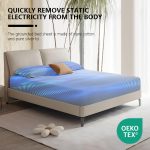
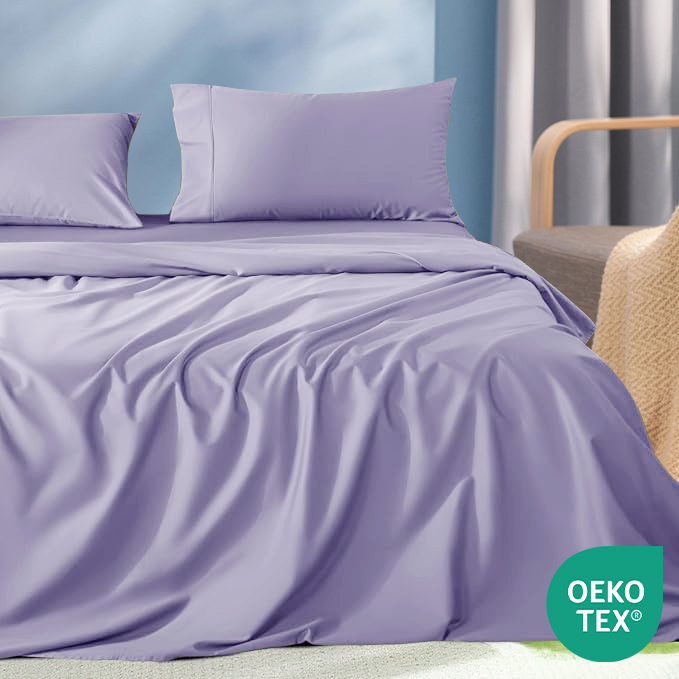
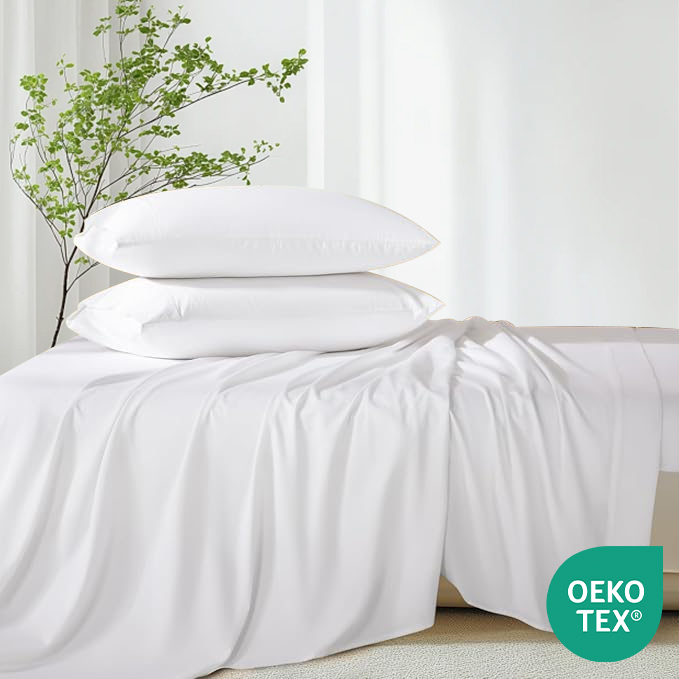
• OEKO-TEX Standard 100
• Absence of harmful plasticizers
TPU is generally preferred over PVC because it avoids phthalate concerns and aligns better with environmental expectations.
For US markets, compliance with CPSIA (if targeting children) may be necessary.
Environmental Considerations
European distributors increasingly evaluate environmental impact.
While TPU is synthetic, it is considered more environmentally acceptable than PVC. Additionally:
- Lightweight construction reduces material usage
• Longer mattress lifespan reduces landfill impact
Procurement Strategy for Bulk Programs
When planning bulk waterproof fitted sheet programs, mature buyers typically evaluate:
- Fabric GSM (grams per square meter)
• TPU thickness
• Lamination method
• Pocket depth tolerance
• Elastic durability
• Wash testing data
• Packaging format
Cost structure is influenced by:
- Knit fabric weight
• TPU film thickness
• Elastic quality
• Production scale
Price-sensitive programs may reduce GSM or TPU thickness. Premium programs may enhance softness and breathability.
Return Rate Control
In online markets, waterproof protectors can experience high return rates if:
- Noise is noticeable
• Heat retention is excessive
• Waterproof claim fails
• Size fit is inaccurate
Therefore, clear specification control and pre-shipment inspection are essential.
Conclusion
A waterproof fitted sheet is a functional engineered product, not a simple textile accessory.
Its performance depends on layered construction:
- Soft jersey knit surface for comfort
• Premium TPU membrane for waterproof protection
• Balanced lamination for breathability
• 14-inch deep pocket for mattress compatibility
• Elastic perimeter for secure fit
For EU and US markets, buyers must prioritize:
- Comfort-noise balance
• Breathability
• Wash durability
• Regulatory compliance
• Accurate sizing
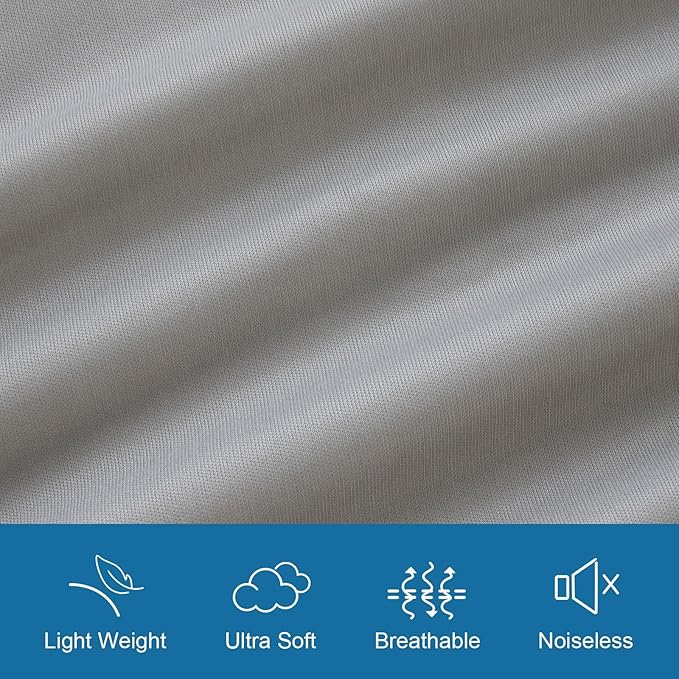
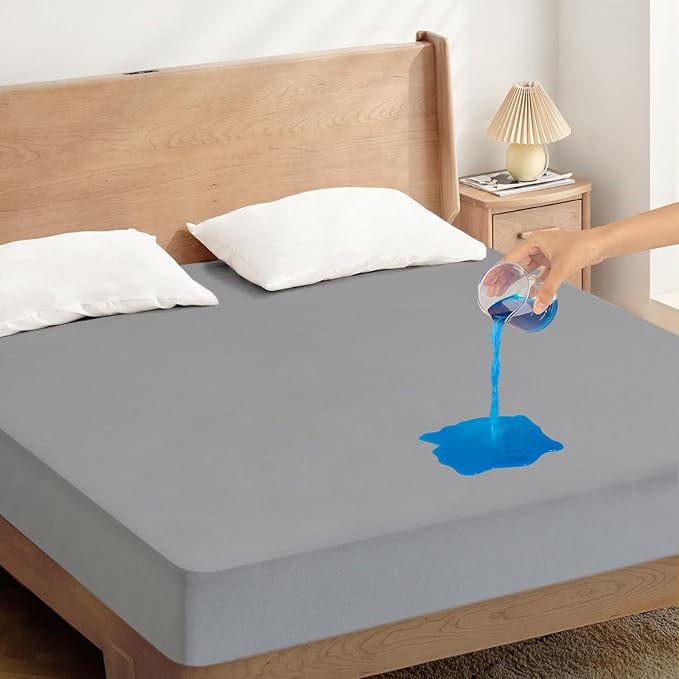
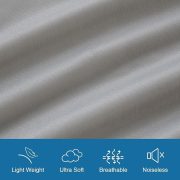
When properly engineered, a waterproof fitted sheet becomes an invisible protective barrier—lightweight, ultra-soft, breathable, and noiseless—while effectively blocking liquid penetration.
For mature bulk procurement programs, selecting the correct structural specification ensures not only product performance but also long-term retail stability, reduced return rates, and sustainable customer trust.

Reviews
There are no reviews yet.