

100% Organic Cotton Fitted Sheet Set: Premium Sourcing Strategy, Fabric Economics, and MOQ Planning for Brand Buyers
In the European and North American bedding markets, 100% organic cotton fitted sheet sets occupy a distinct and increasingly strategic segment. Unlike conventional cotton programs, organic cotton represents a value-driven purchasing decision tied to sustainability, traceability, and long-term brand positioning.
For early-stage but progressively mature procurement teams, entering the organic cotton category is not simply a product upgrade. It requires a shift in forecasting discipline, volume planning, supplier alignment, and consumer positioning.
This article outlines the technical, commercial, and structural considerations behind launching and scaling a premium 100% organic cotton fitted sheet set program in EU and US markets, with special focus on fabric minimums and cost control.
Why Organic Cotton Requires a Different Buying Mindset
Organic cotton is not just about fiber purity. It represents:
- Controlled agricultural inputs
• Reduced chemical usage
• Traceable supply chain
• Certified processing standards
• Environmental positioning
In Europe, particularly in Germany, Scandinavia, France, and the Netherlands, organic labeling significantly influences buyer acceptance. In the US, organic bedding appeals strongly to:
- Young families
• Eco-conscious consumers
• Premium department store shoppers
• Boutique home brands
However, organic cotton production involves stricter certification and lower yield efficiency compared to conventional cotton. This directly affects cost structure and minimum fabric commitments.
Understanding Fabric Minimum Order: 2000 Meters Per Color or Print
Unlike finished product MOQ calculations, organic cotton production typically operates at the greige fabric and dye-lot level.
For stable weaving and dyeing efficiency, the minimum order quantity is:
2000 meters per color or per printed design.
This is not 2000 sets. It is 2000 meters of finished fabric per shade or pattern.
To translate this into finished fitted sheet sets:
If one complete sheet set consumes approximately 8 meters of fabric (depending on size breakdown), then:
2000 meters ÷ 8 meters per set = approximately 250 sets.
Therefore, the practical minimum production per color or print is roughly 250 fitted sheet sets.
For buyers new to organic programs, this distinction is essential. The commitment begins at the fabric level, not at the packaged set level.
Why 2000 Meters Is Required
Organic cotton weaving and dyeing involve:
- Dedicated loom setup
• Controlled dye bath processes
• Certification tracking
• Batch-level compliance documentation
Running dye lots below 2000 meters increases:
- Per-meter cost
• Color inconsistency risk
• Fabric waste
• Certification inefficiency
From a mill perspective, 2000 meters ensures economic viability and stable shade control.
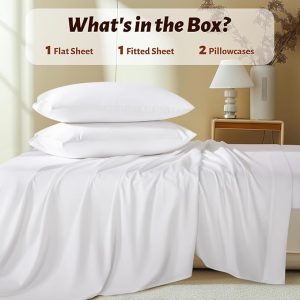
Fabric Construction Options in Organic Programs
Even within 100% organic cotton, weave selection defines positioning.
- Organic Percale (Plain Weave)
- Crisp and breathable
• Matte appearance
• Strong durability
• Popular in European markets
- Organic Sateen
- Smoother surface
• Subtle sheen
• Softer drape
• Premium positioning
Organic sateen typically carries a higher price due to weaving complexity and finishing treatment.
For buyers targeting premium retail, organic sateen fitted sheet sets create stronger tactile differentiation.
For buyers supplying hospitality or minimalist home brands, organic percale offers clean aesthetic alignment.
Fiber Certification & Compliance
Launching an organic cotton program requires verified certification, typically:
- GOTS (Global Organic Textile Standard)
• OEKO-TEX (chemical safety compliance)
• Transaction certificates per shipment
Without proper documentation, organic claims cannot legally be marketed in many EU countries.
Procurement teams must verify:
- Certification validity
• Scope certificate coverage
• Factory audit status
Failure to manage documentation may result in customs delays or retail rejection.
Cost Structure Considerations
Organic cotton fiber pricing fluctuates based on:
- Crop yield
• Regional production
• Global demand
Compared to conventional cotton, organic fiber generally carries a 20–40% premium.
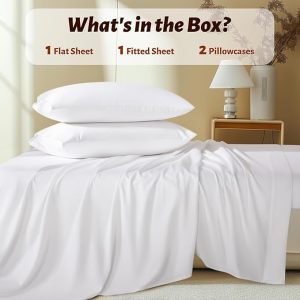
Major cost drivers include:
- Certified yarn sourcing
• Separate production lines
• Lower chemical finishing usage
• Dye compliance requirements
• Packaging upgrades
However, retail positioning supports higher margins due to sustainable branding and premium perception.
Size Planning & Fabric Utilization
When calculating fabric usage per set (approximately 8 meters), buyers must account for:
- Cutting waste
• Pattern matching (for prints)
• Shrinkage allowance
• Size mix ratio
If producing multiple sizes (Queen, King, Full), size ratio must be forecasted before weaving.
For example:
Queen sets may represent 60–70% of volume in US markets.
King may represent 20–25%.
Full and Twin smaller percentages.
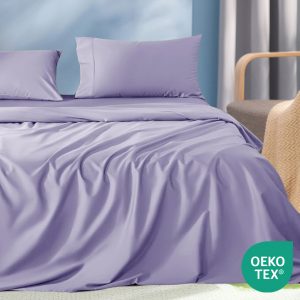
Because 2000 meters must be allocated per color, splitting that fabric inefficiently across too many sizes can create leftover inventory imbalance.
Color Strategy for Premium Organic Programs
Organic programs perform best with disciplined color selection.
Recommended launch palette:
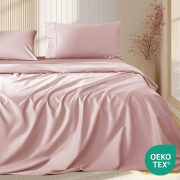
Core Neutrals (each 2000 meters minimum):
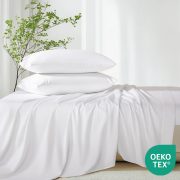
• Natural undyed
• Warm white
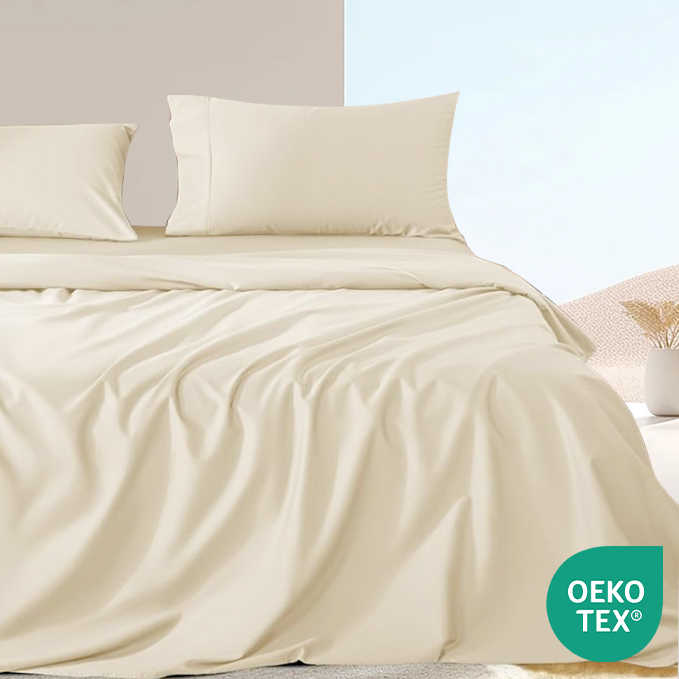
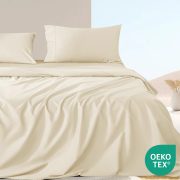
• Soft ivory
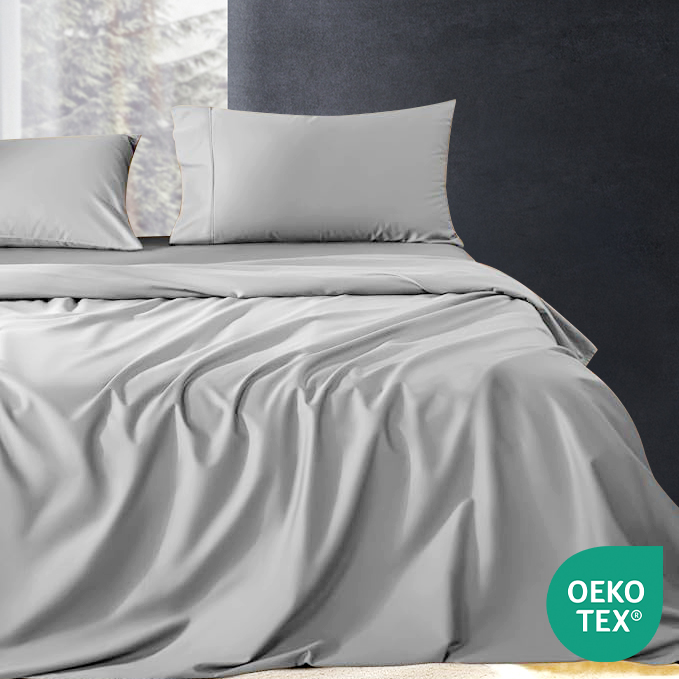
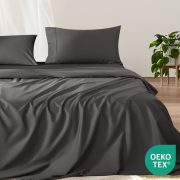
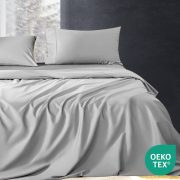
• Light grey
Secondary Tones (2000 meters each):
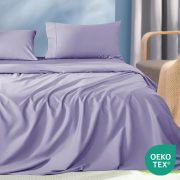
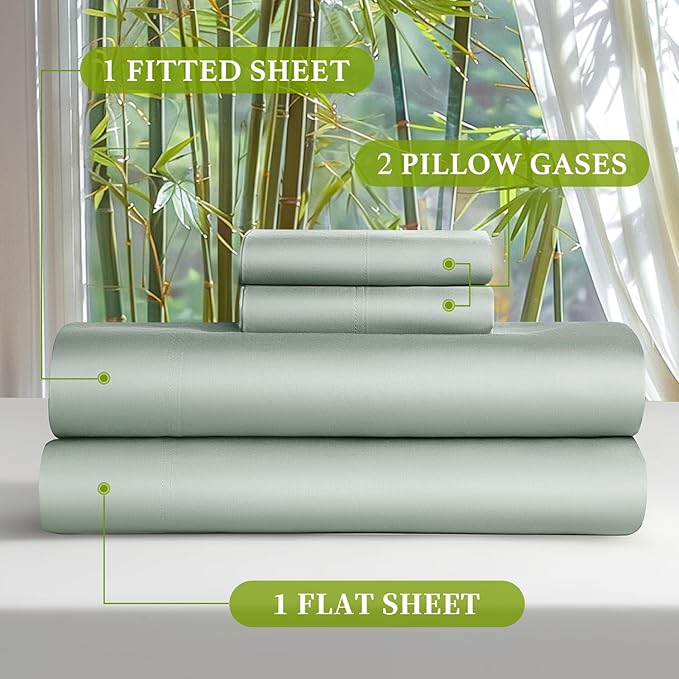
• Sage
• Clay
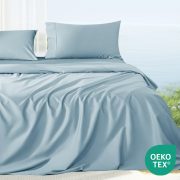
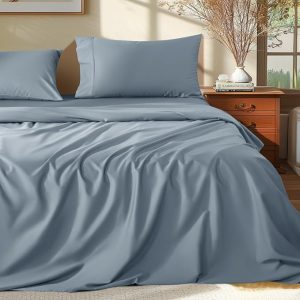
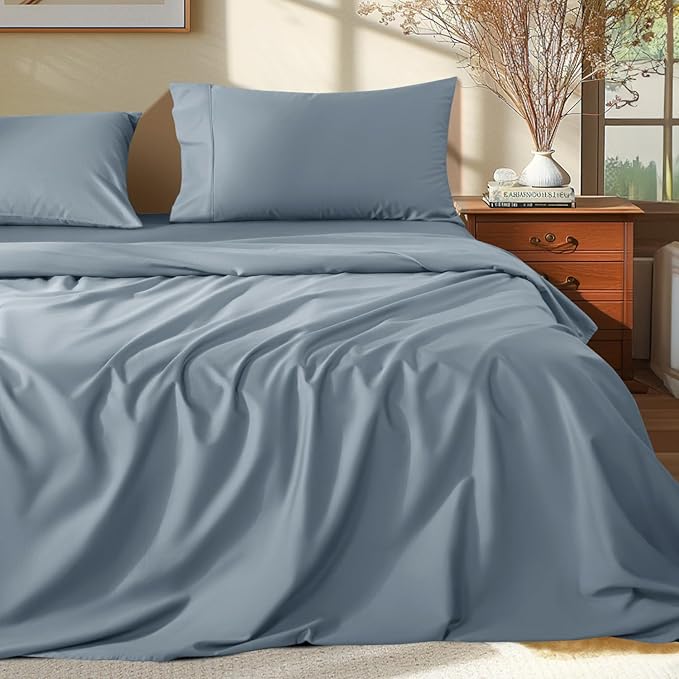
• Dusty blue
• Sand
Printed organic designs require separate 2000-meter commitments per pattern.
Over-expansion into 10–15 colors increases capital lock-in risk.
A focused 4–6 color launch improves inventory turnover.
Shrinkage & Wash Performance
Organic cotton is often processed with fewer chemical stabilizers. Therefore:
- Shrinkage control is critical
• Pre-washing or sanforizing is recommended
• Post-wash dimension testing is mandatory
EU markets often demand shrinkage tolerance below 5%.
Testing should include:
- 40°C wash cycles
• Tumble dry simulation
• Repeated laundering trials
Elastic & Fitted Sheet Engineering
Premium positioning requires:
- 360-degree encased elastic
• Reinforced corner seams
• 14–16 inch deep pocket design
Modern mattresses in the US frequently exceed 12 inches. Designing organic fitted sheets to accommodate up to 15 inches ensures compatibility.
Elastic durability testing should include stretch recovery cycles to simulate long-term use.
Packaging & Brand Presentation
Organic cotton programs benefit from eco-aligned packaging:
- Recycled kraft box
• Fabric drawstring pouch (organic cotton)
• Minimal plastic usage
Clear labeling should include fiber certification references and care instructions.
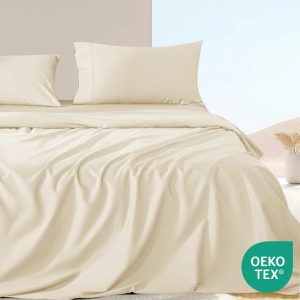
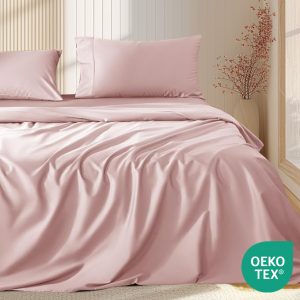
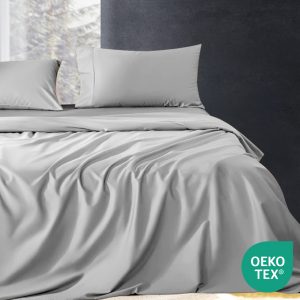
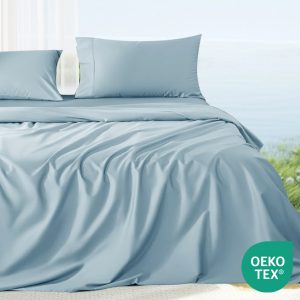
Premium consumers expect packaging consistency with sustainability messaging.
Forecast Discipline & Inventory Risk
Because the starting point is 2000 meters per color, buyers must plan volume carefully.
If each color yields approximately 250 sets:
Launching 6 colors equals roughly 1500 total sets initial production.
This scale is manageable for early-stage premium programs while maintaining color discipline.
Adding a new seasonal color means committing another 2000 meters.
Organic programs reward forecasting stability rather than trend-chasing behavior.
Logistics & Lead Time
Organic production timelines are typically longer than conventional cotton.
Estimated timeline:
- Yarn sourcing: 2–3 weeks
• Weaving: 3–4 weeks
• Dyeing & finishing: 2–3 weeks
• Cutting & sewing: 3–4 weeks
• Certification documentation: 1 week
Total: Approximately 75–100 days depending on season.
Advanced booking is recommended during peak retail preparation cycles.
Risk Management
Common risk factors include:
- Certification lapse
• Fabric shade inconsistency
• Over-ordering secondary colors
• Insufficient size ratio planning
Working with mills experienced in organic programs reduces operational uncertainty.
Long-Term Strategic Value
While initial entry into organic cotton fitted sheet sets requires stronger planning discipline, the long-term benefits include:
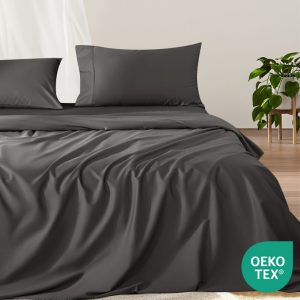
- Brand credibility
• Retail trust
• Lower price competition
• Stronger repeat purchase rates
• Alignment with EU environmental standards
Unlike fast-fashion bedding categories, organic cotton builds long-term equity.
Conclusion
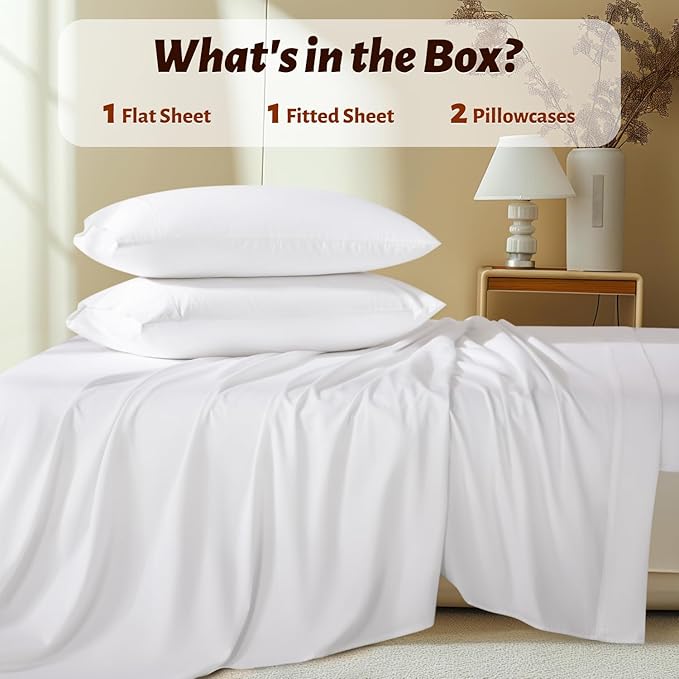
A 100% organic cotton fitted sheet set is not simply an upgraded cotton product. It is a structured sustainability program requiring:
- Fabric-level MOQ planning
• 2000 meters per color or print commitment
• Approximately 250 sets per shade (based on 8 meters usage per set)
• Careful size ratio allocation
• Verified certification management
• Disciplined color expansion
For early-stage but increasingly mature buyers in EU and US markets, understanding the 2000-meter fabric threshold is fundamental. It shapes forecasting, SKU planning, and capital allocation.
Organic cotton programs reward long-term strategy over short-term experimentation. When executed with disciplined color control, proper certification oversight, and engineered fitted sheet construction, they deliver premium positioning and sustainable growth potential.
In a market progressively shaped by environmental awareness, 100% organic cotton fitted sheet sets represent not only a product category—but a strategic commitment to responsible sourcing and structured commercial development.
Reviews
There are no reviews yet.