
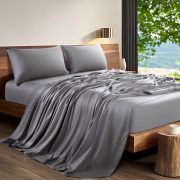
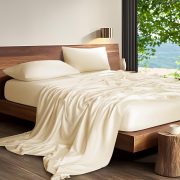

100% Tencel™ Lyocell Flat Sheet Set:Reframing Performance Bedding in a Post-Cotton, Post-Microfiber Market
Cotton built the foundation of modern bedding. Microfiber scaled it.
Tencel™ Lyocell refined it.
Over the past decade, tencel sheets have quietly moved from niche eco-friendly alternatives to mainstream performance contenders. Consumers searching for best tencel sheets are no longer limited to specialty boutiques. Major retailers now allocate dedicated space to tencel lyocell bed sheets, and online platforms show rising search volume for terms such as queen tencel sheets and king tencel sheets.
From a mature procurement perspective, the question is not whether Tencel™ has demand. It clearly does. The real question is how to position a 100% Tencel Lyocell flat sheet set in a market where blends, hybrids, and marketing-driven variations blur the category.
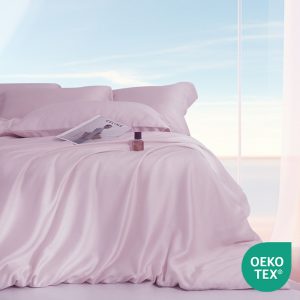
Understanding What 100% Tencel Lyocell Means
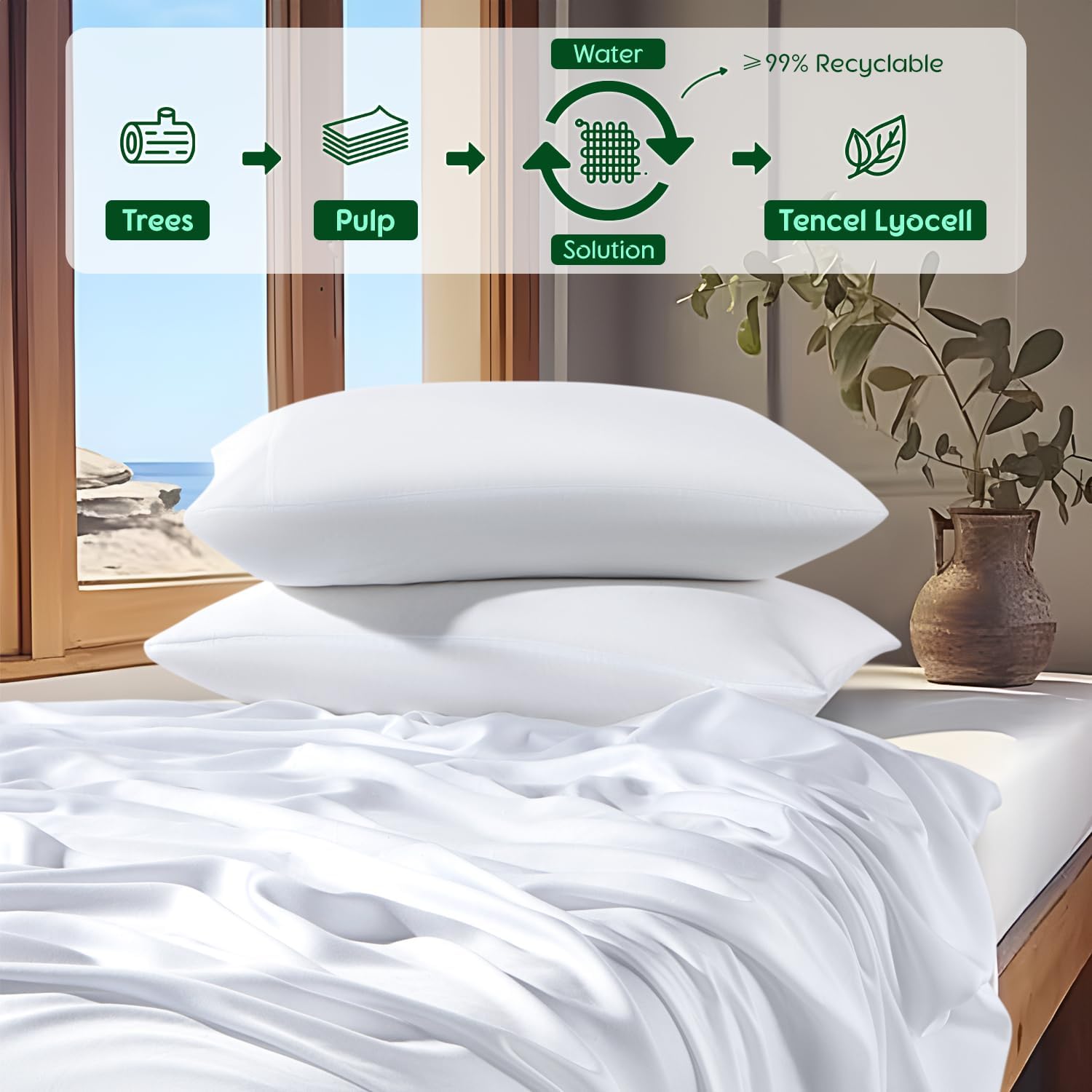
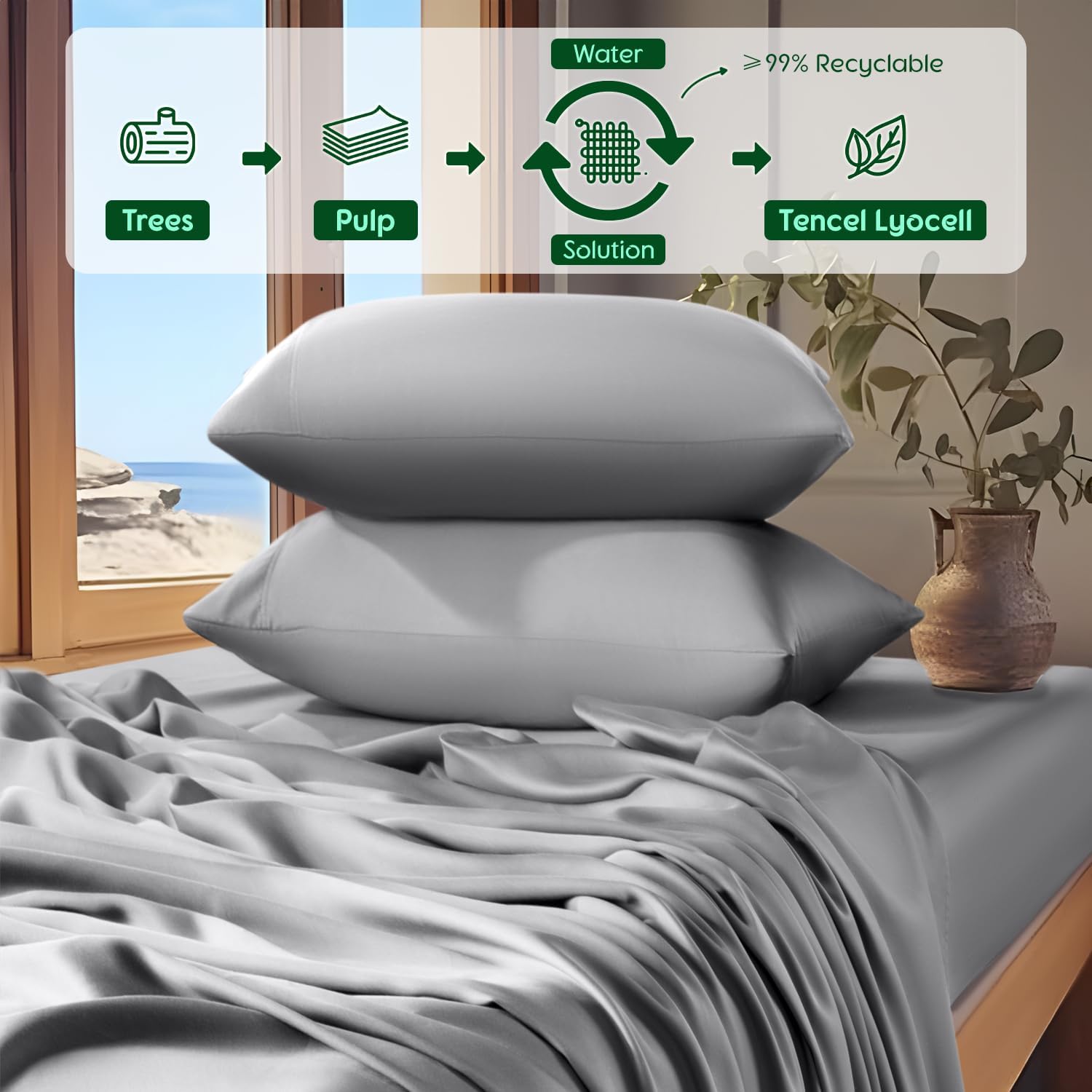
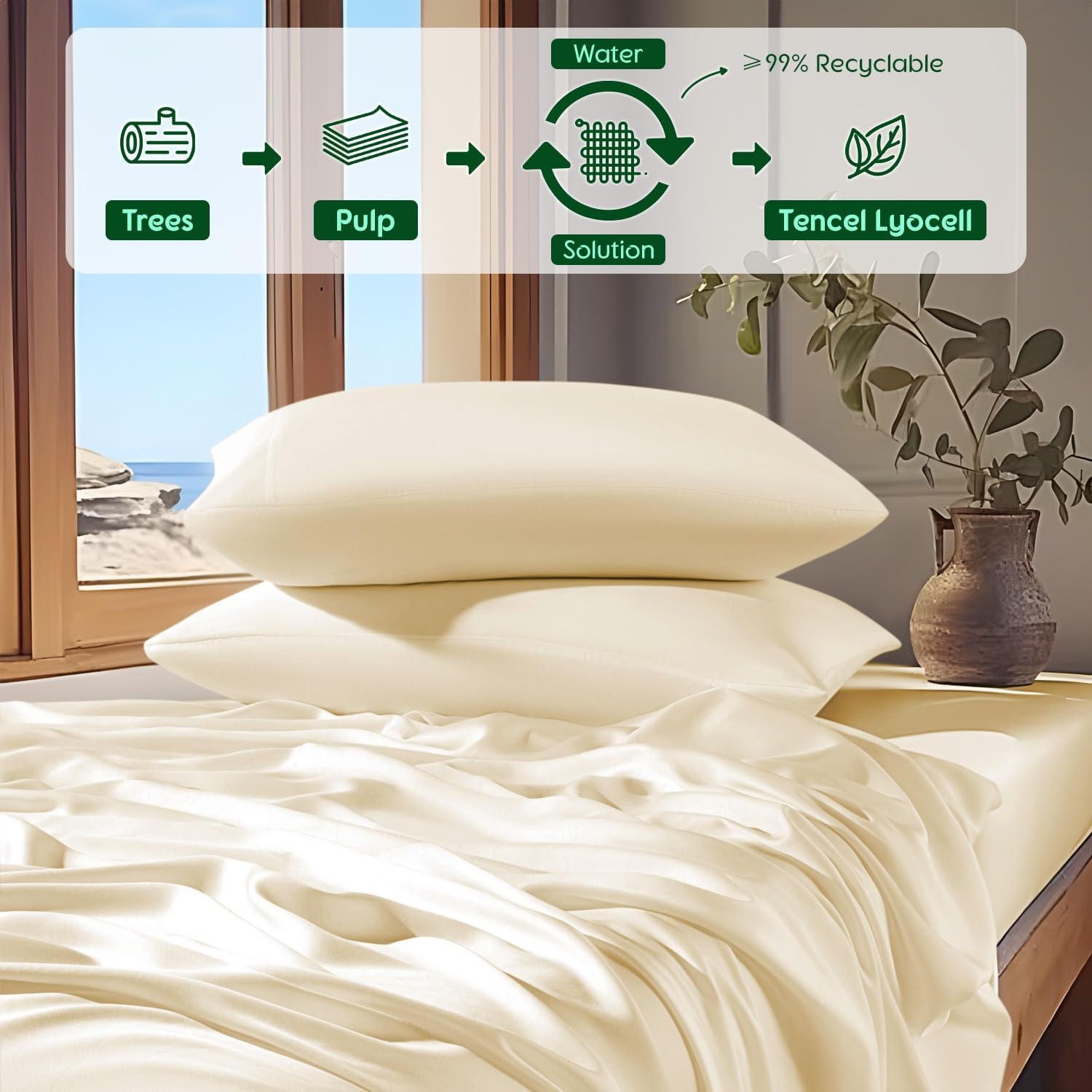
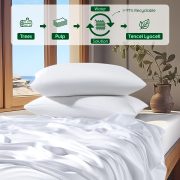
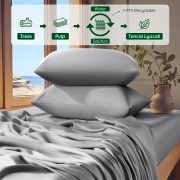
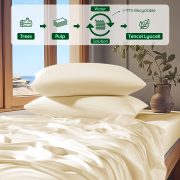
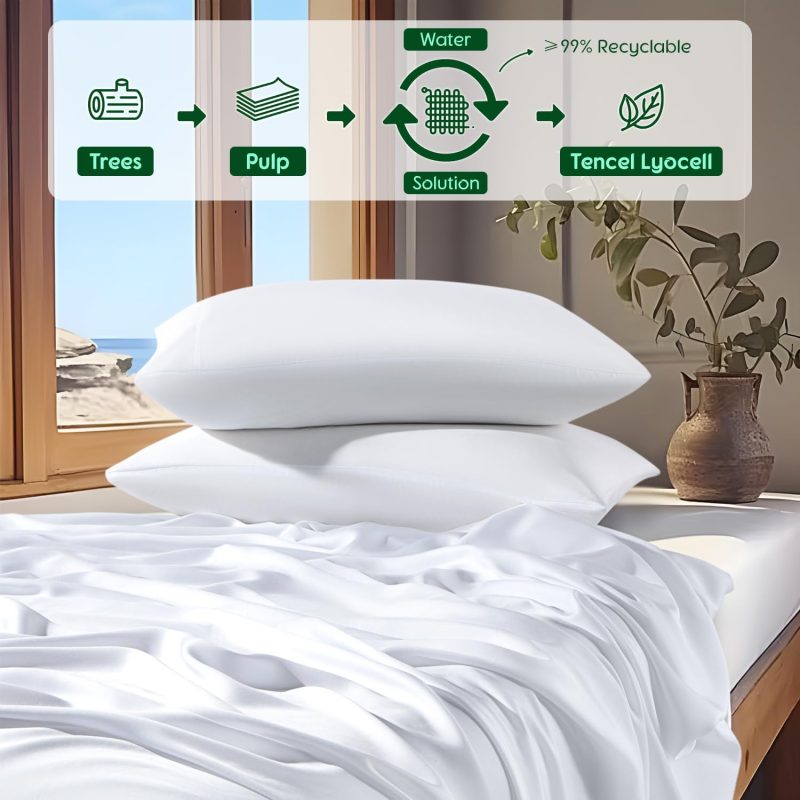
Tencel™ is a branded lyocell fiber derived primarily from sustainably sourced wood pulp, often marketed under the term eucalyptus tencel sheets. The production process uses a closed-loop system that recycles water and solvents, giving the material environmental credibility beyond conventional viscose.
However, not all tencel sheets are created equal.
Many products labeled as tencel cotton sheets or cotton and tencel sheets are blends. Cotton lyocell sheets typically combine softness from lyocell with structural support from cotton. These blends perform well, but they dilute the purity story.
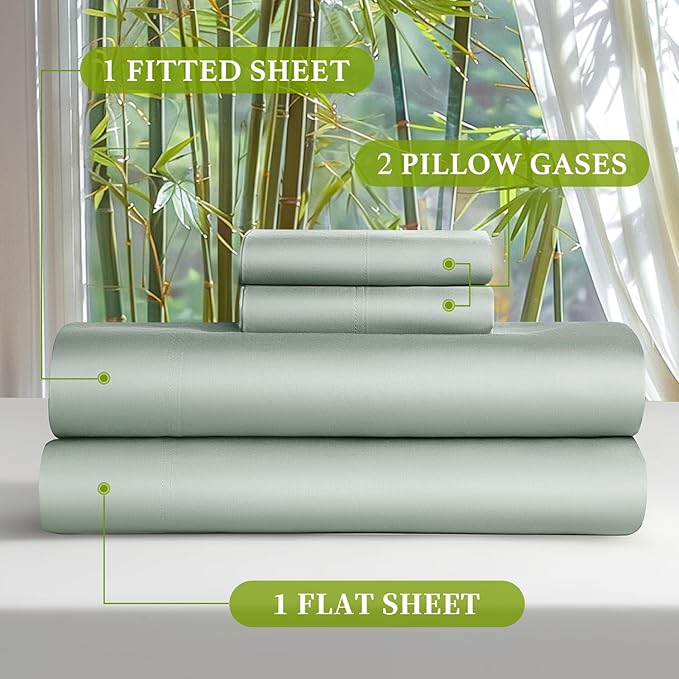
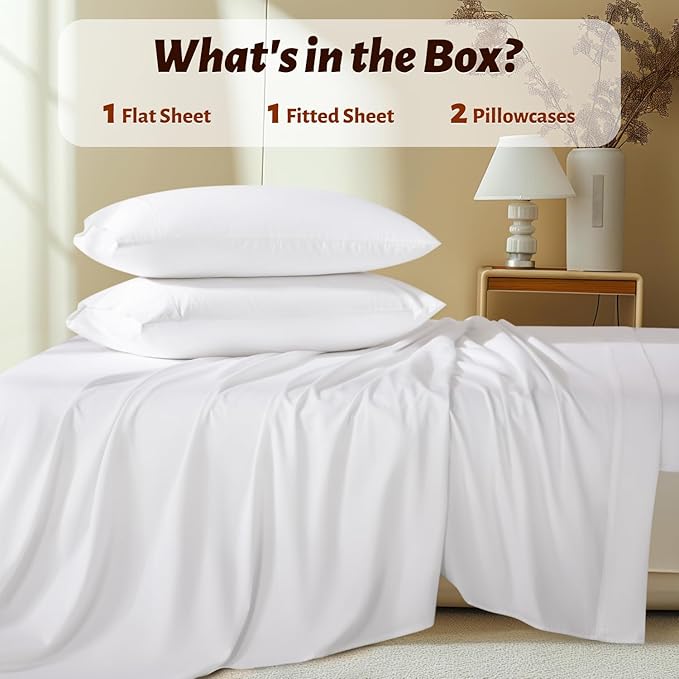
A 100 tencel lyocell sheets program is fundamentally different. It offers fiber consistency across the entire tencel bed sheet construction, including the flat sheet, fitted sheet, and pillowcases.
For buyers, purity simplifies messaging. There is no ambiguity around ratios. The entire tencel bed set becomes a cohesive material statement.
Why Tencel Has Gained Market Share
Consumers gravitate toward Tencel™ for three primary reasons: smoothness, moisture regulation, and perceived sustainability.
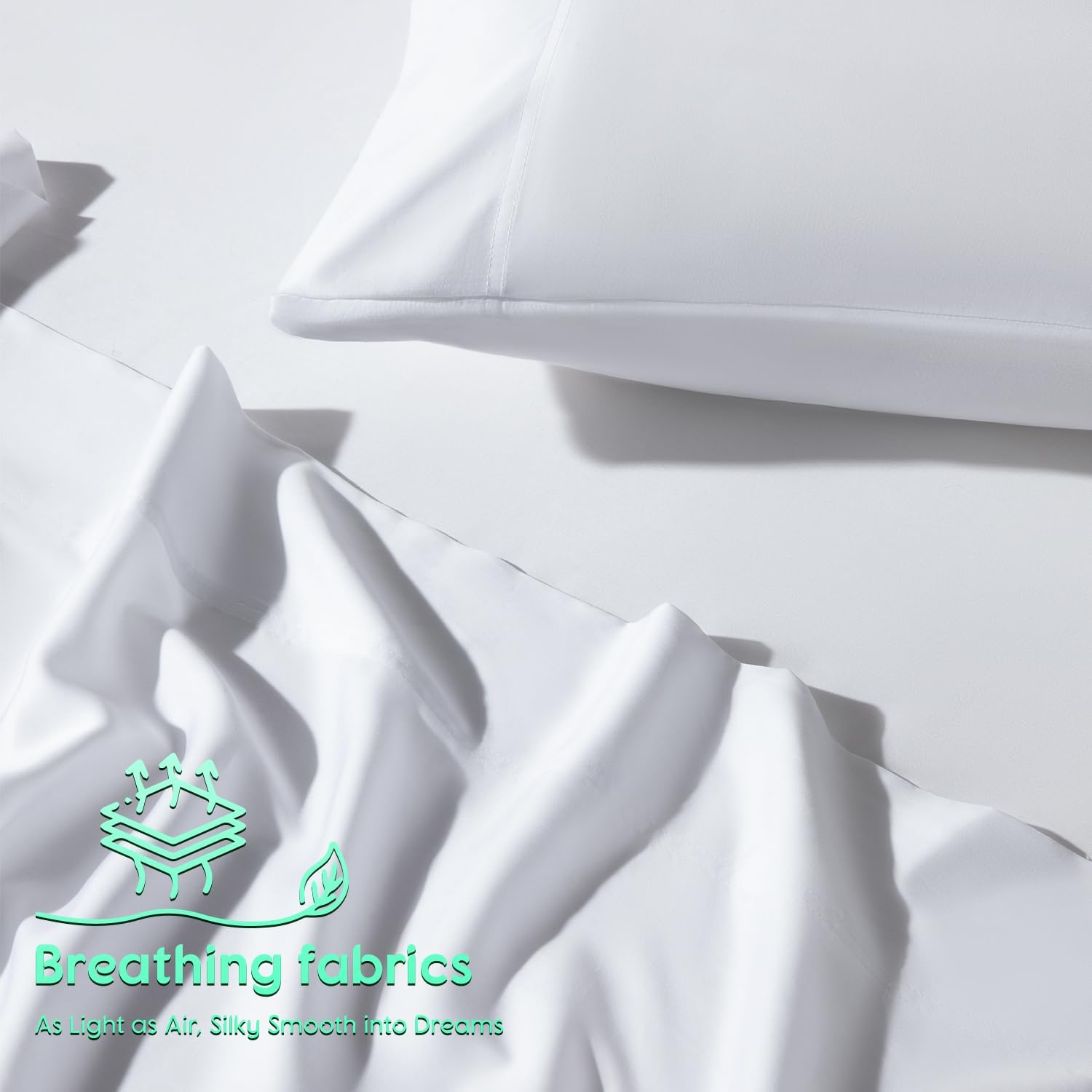
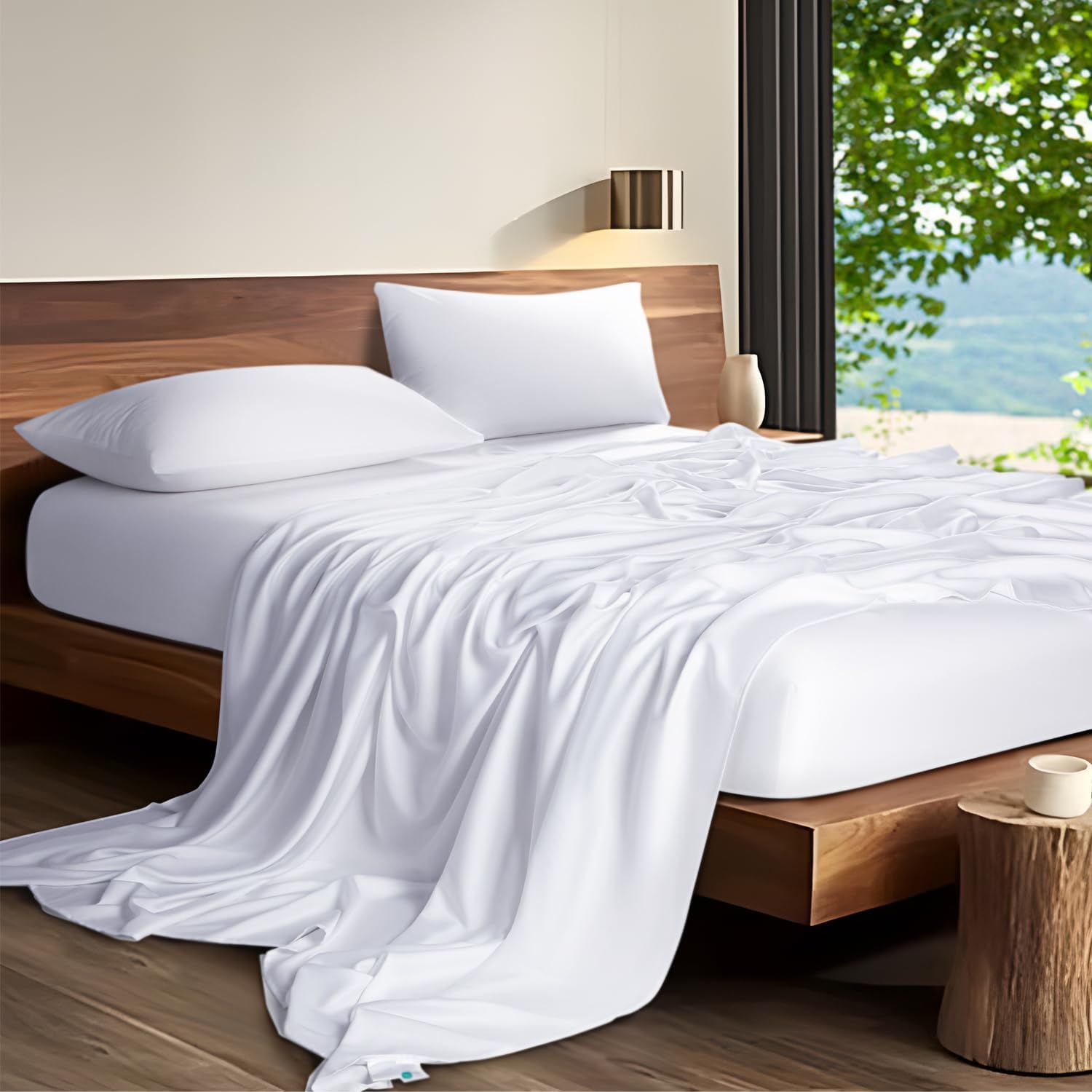
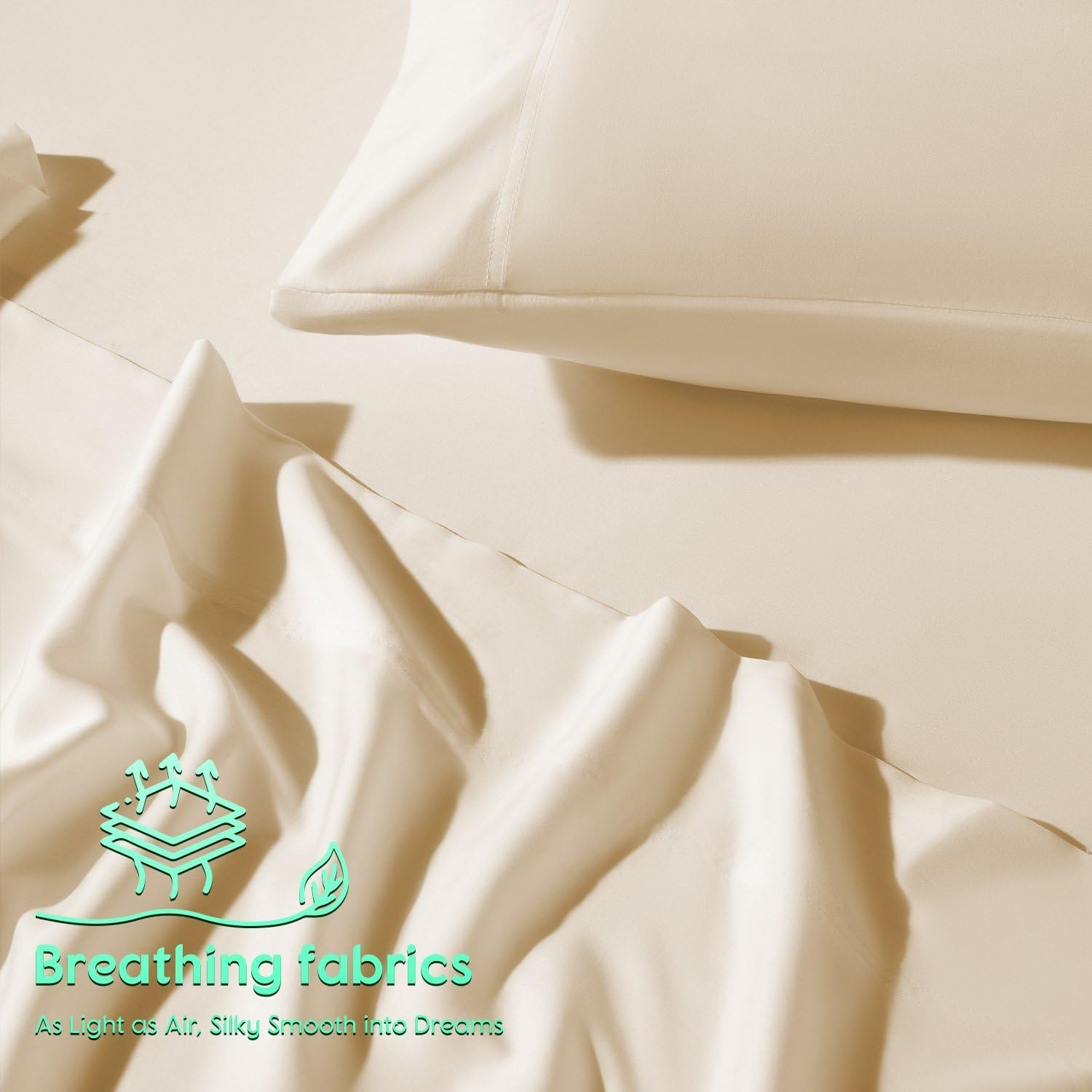
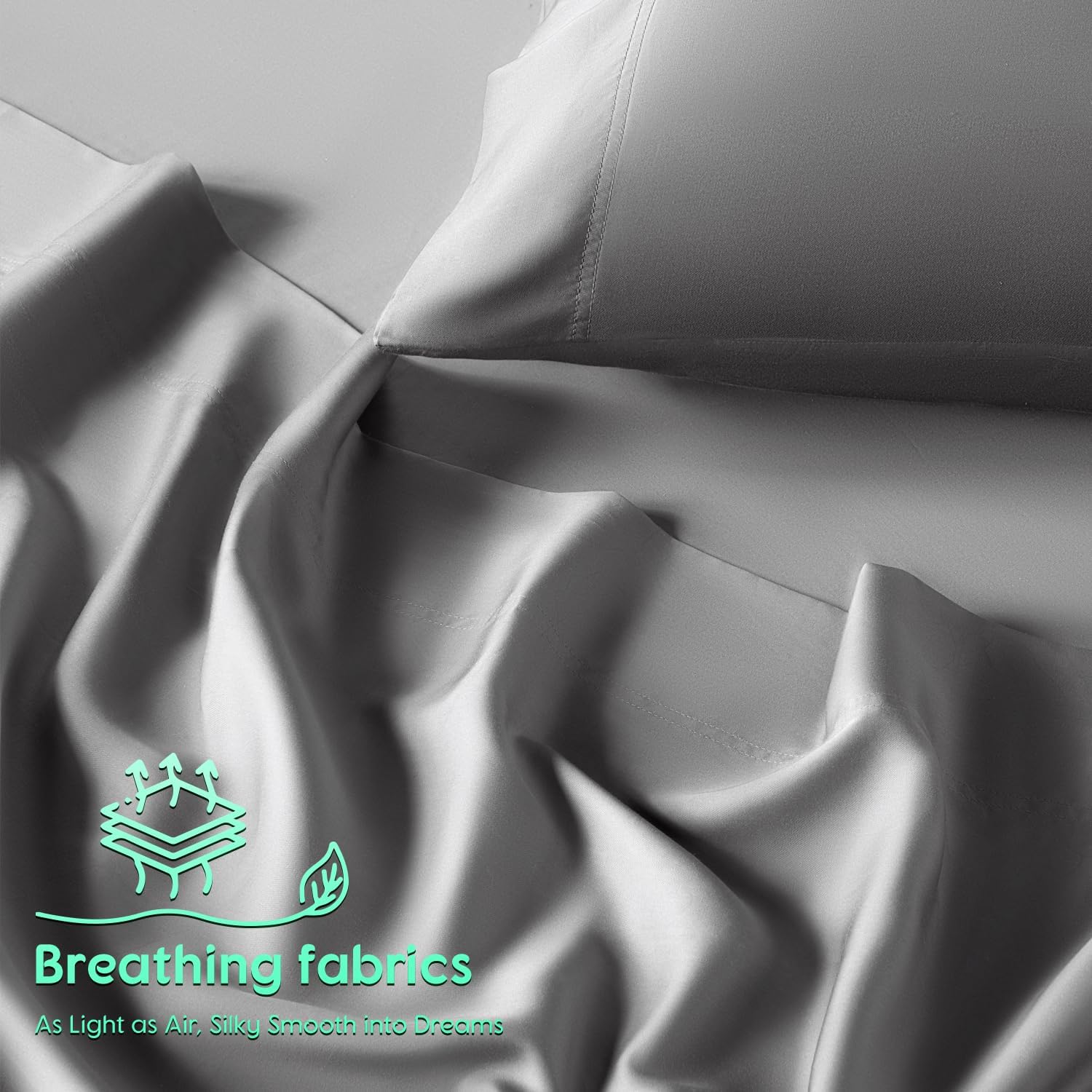
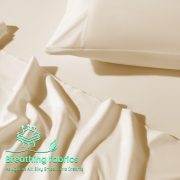
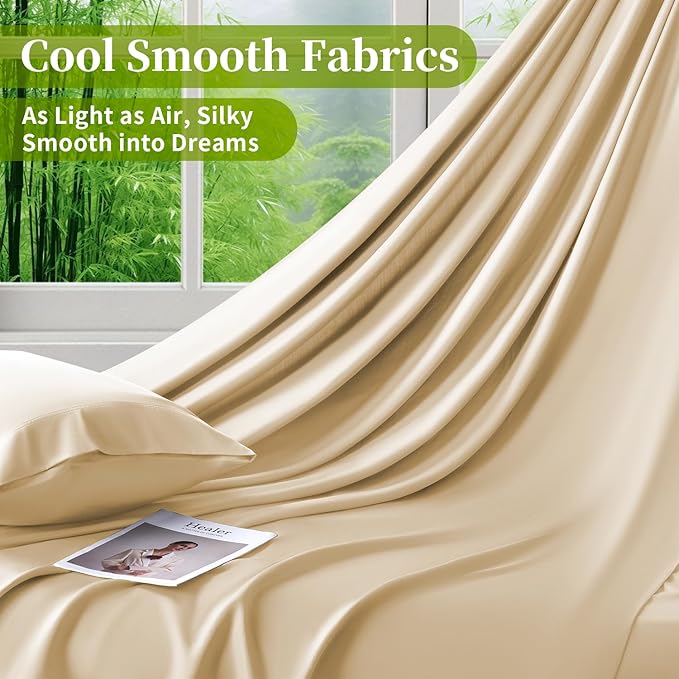
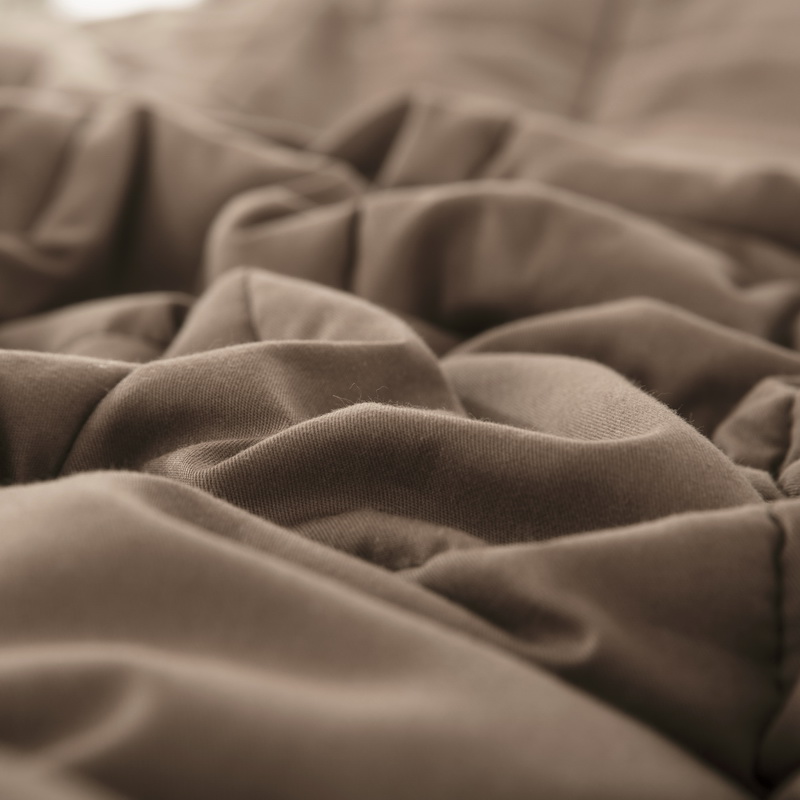
Unlike cotton, which can feel crisp in percale form or heavy in sateen, tencel lyocell sheets drape fluidly. The surface is cool to the touch, often compared to silk but without the fragility.
Compared to microfiber, Tencel™ avoids the synthetic association. Compared to linen, it avoids stiffness.
On platforms like tencel sheets reddit discussions, users frequently describe Tencel™ as “cooling,” “soft but not slippery,” and “ideal for hot sleepers.” These organic conversations reflect authentic consumer experience rather than pure marketing copy.
From a procurement standpoint, this is critical. Demand is not artificially manufactured; it is reinforced by user testimony.
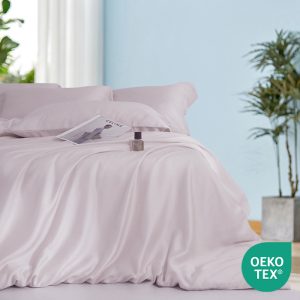
Flat Sheet Construction Strategy
The flat sheet in a tencel bed sheet set plays a greater sensory role than many buyers initially assume.
Because Tencel™ fibers are naturally smooth and round, the flat sheet becomes the primary contact layer against skin. Any inconsistency in weaving, finishing, or tension control becomes immediately noticeable.
A high-quality 100% Tencel Lyocell flat sheet set should prioritize:
Consistent GSM rather than inflated thread count
Low-twist yarn for drape
Controlled finishing to prevent excessive sheen
Color stability without heavy chemical treatments
Thread count marketing is less dominant in Tencel™ than in cotton categories. Consumers searching for best tencel lyocell sheets rarely focus on numerical thread count. They focus on feel and cooling performance.
Competitive Landscape
Retailers such as West Elm Tencel sheets and Pottery Barn Tencel sheets helped introduce the material into aspirational home segments. Target Tencel sheets have since expanded accessibility into mid-tier pricing.
Malouf Tencel sheets are positioned toward the performance-luxury end, often emphasizing advanced sleep technology narratives.
Each of these brands contributes to consumer awareness, but few maintain strict 100% lyocell consistency across all SKUs. Many integrate blends for cost efficiency.
This creates a strategic opportunity.
A clearly defined 100% Tencel Lyocell sheets program avoids confusion. It competes directly with premium offerings while maintaining fiber integrity.
Differentiation from Blends
Cotton and Tencel sheets offer familiarity for traditional buyers transitioning from cotton. Cotton lyocell sheets provide easier price entry.
However, from a brand-building perspective, partial blends dilute the innovation narrative.
A 100% Tencel strategy simplifies positioning:
Cooling performance
Moisture control
Silky drape
Sustainable sourcing
The clarity of material identity strengthens long-term consumer recall.
Size Architecture and Commercial Planning
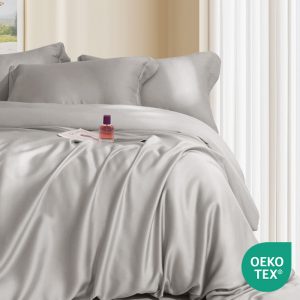
Queen Tencel sheets and Tencel sheets king remain the core volume drivers. King Tencel sheets typically command higher retail price points due to fabric consumption, but Tencel’s premium positioning supports margin stability.
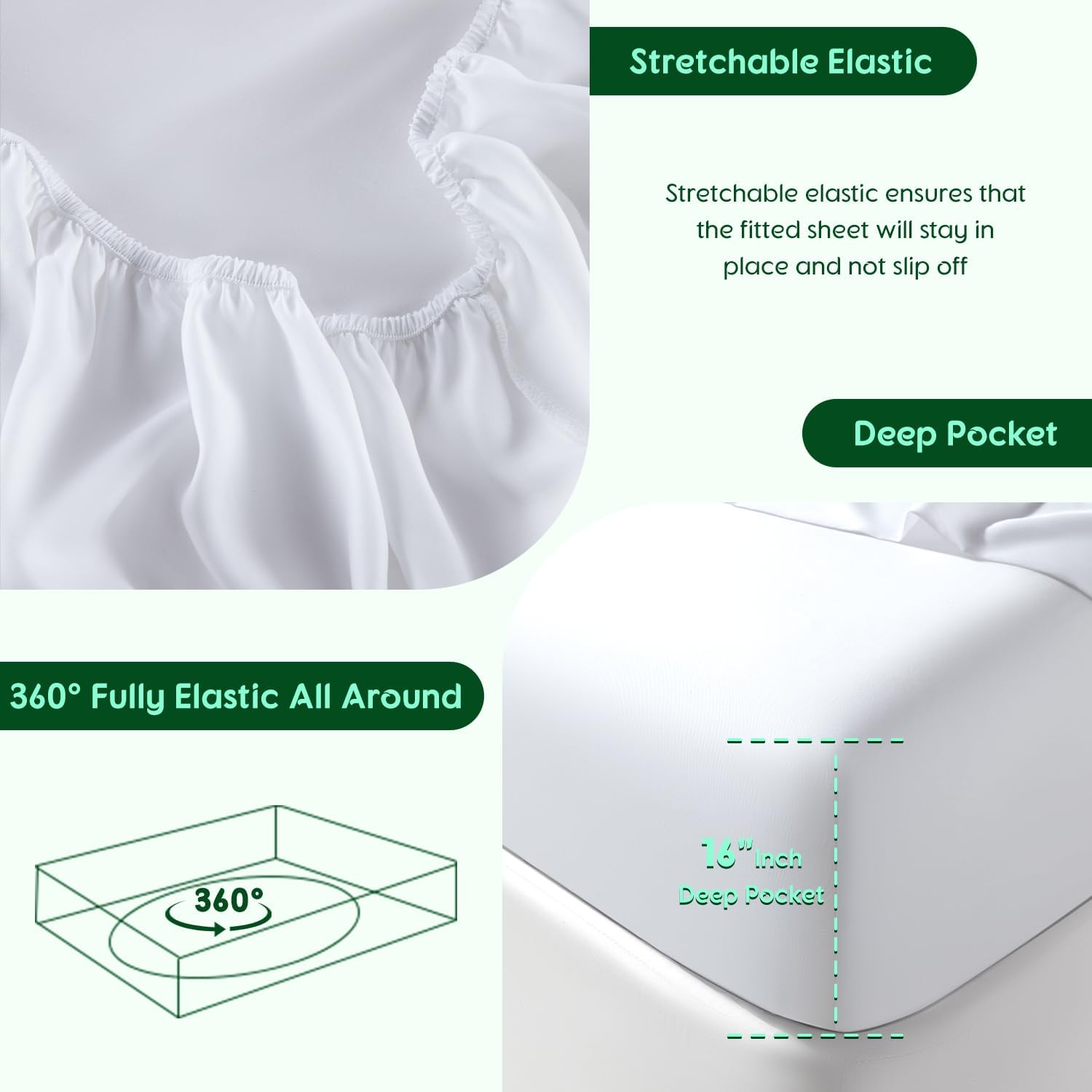
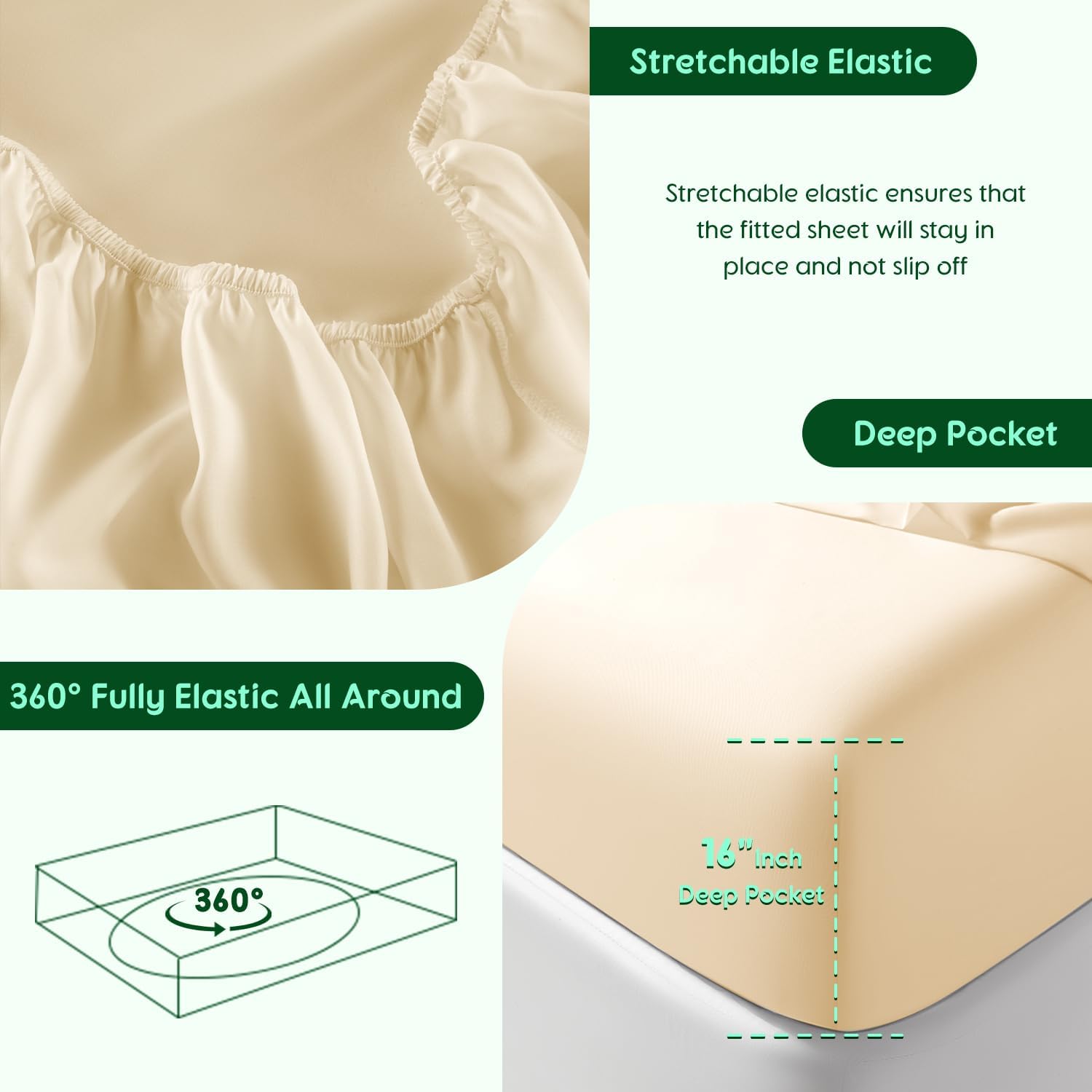
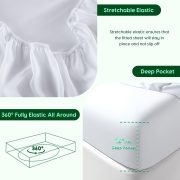
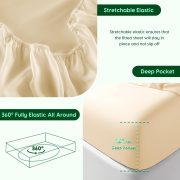
Tencel fitted sheet components must maintain elastic durability without compromising drape. Because lyocell fibers are smoother than cotton, stitching precision is essential to prevent seam stress.
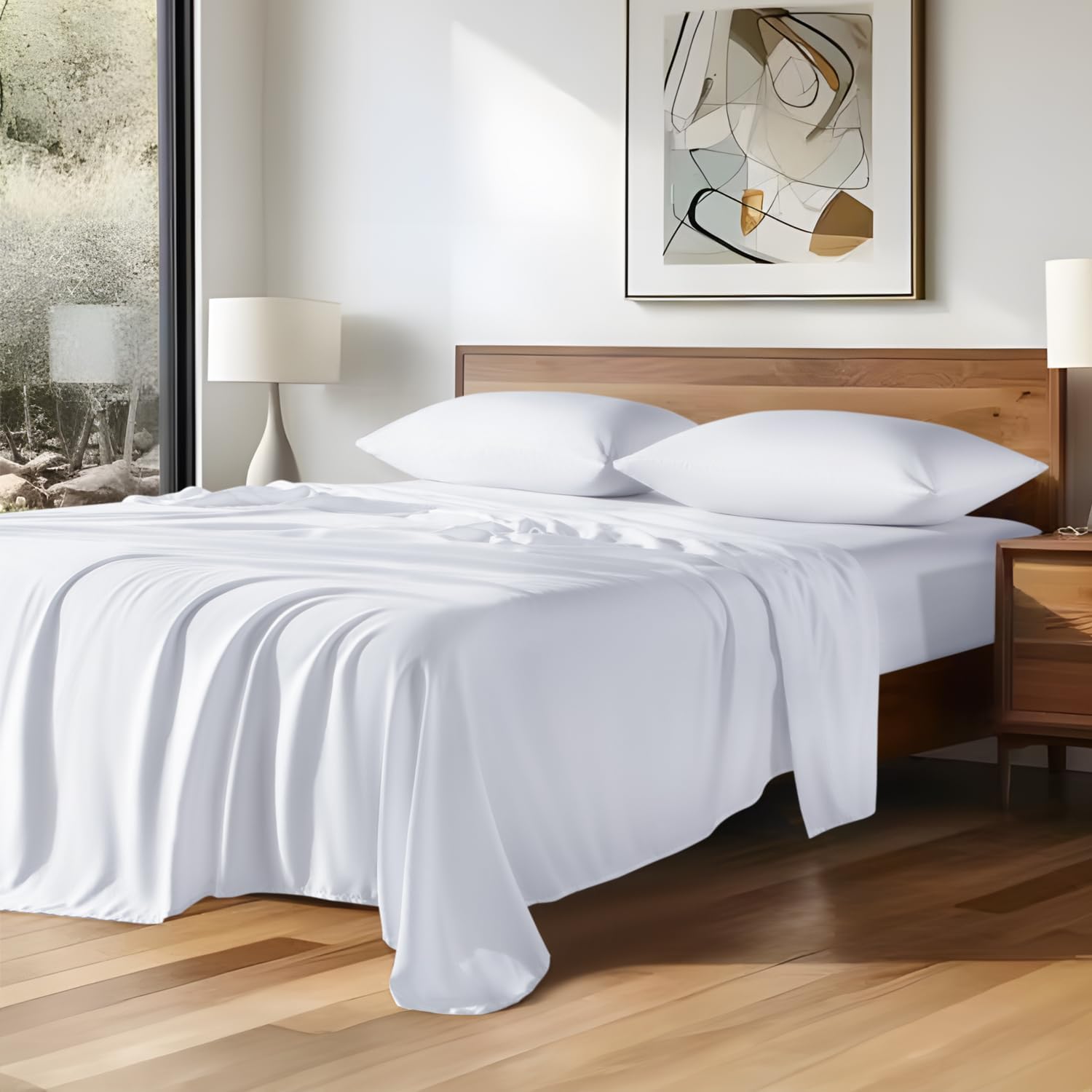
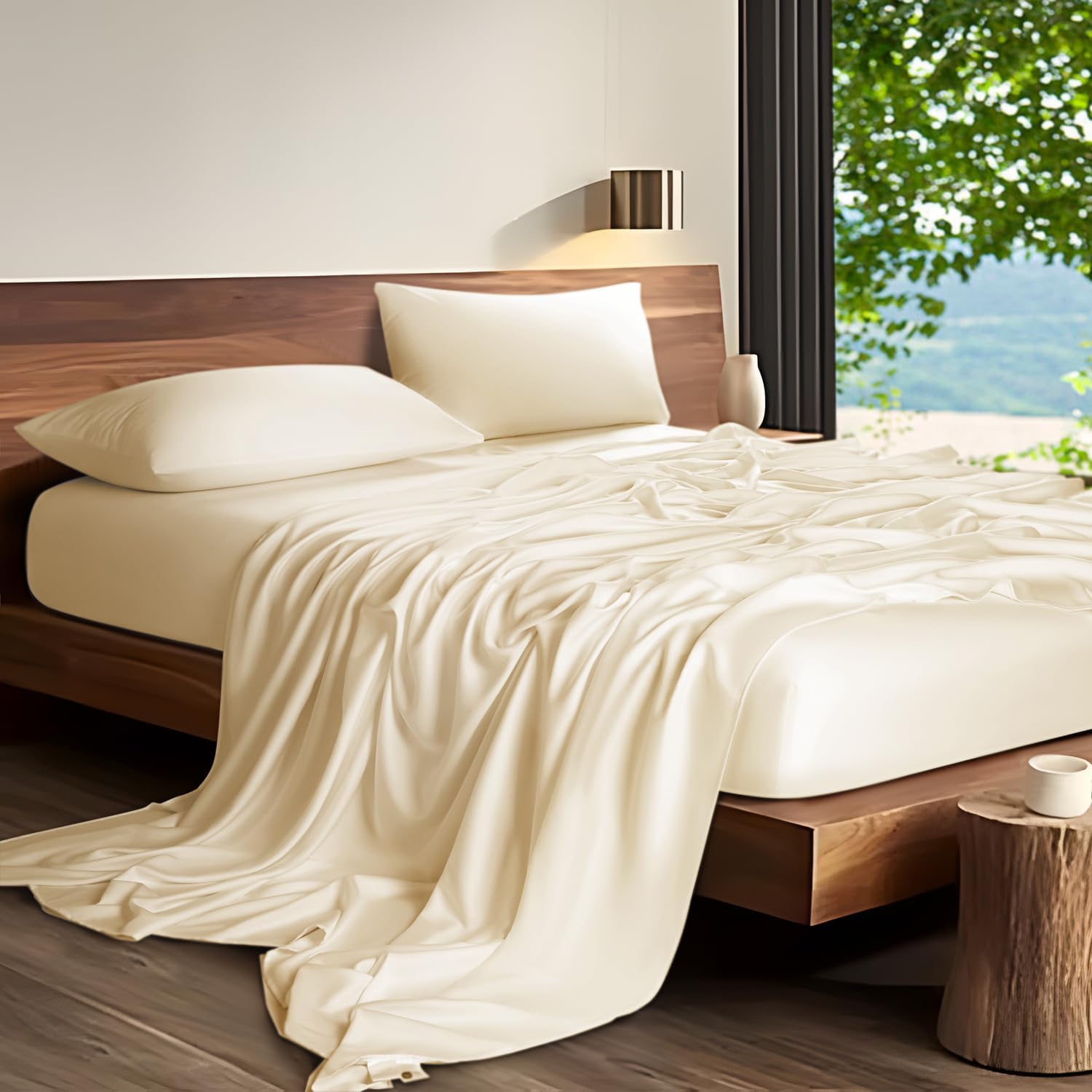
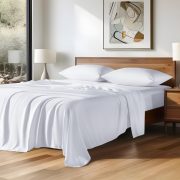
For full assortment strategy, a cohesive Tencel bed set including flat sheet, fitted sheet, and pillowcases reinforces perceived value.
Color Strategy
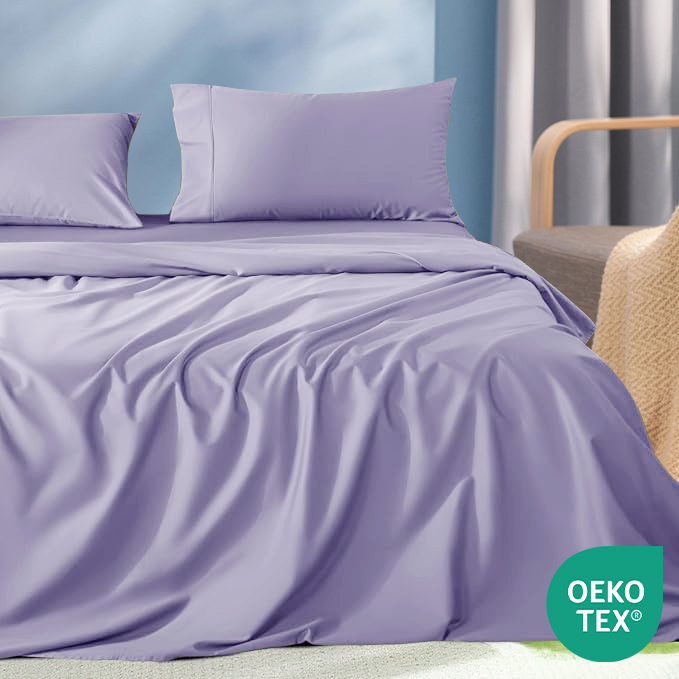
Tencel™ accepts dye beautifully, often producing subtle luster rather than high-gloss shine.
Neutral palettes perform best:
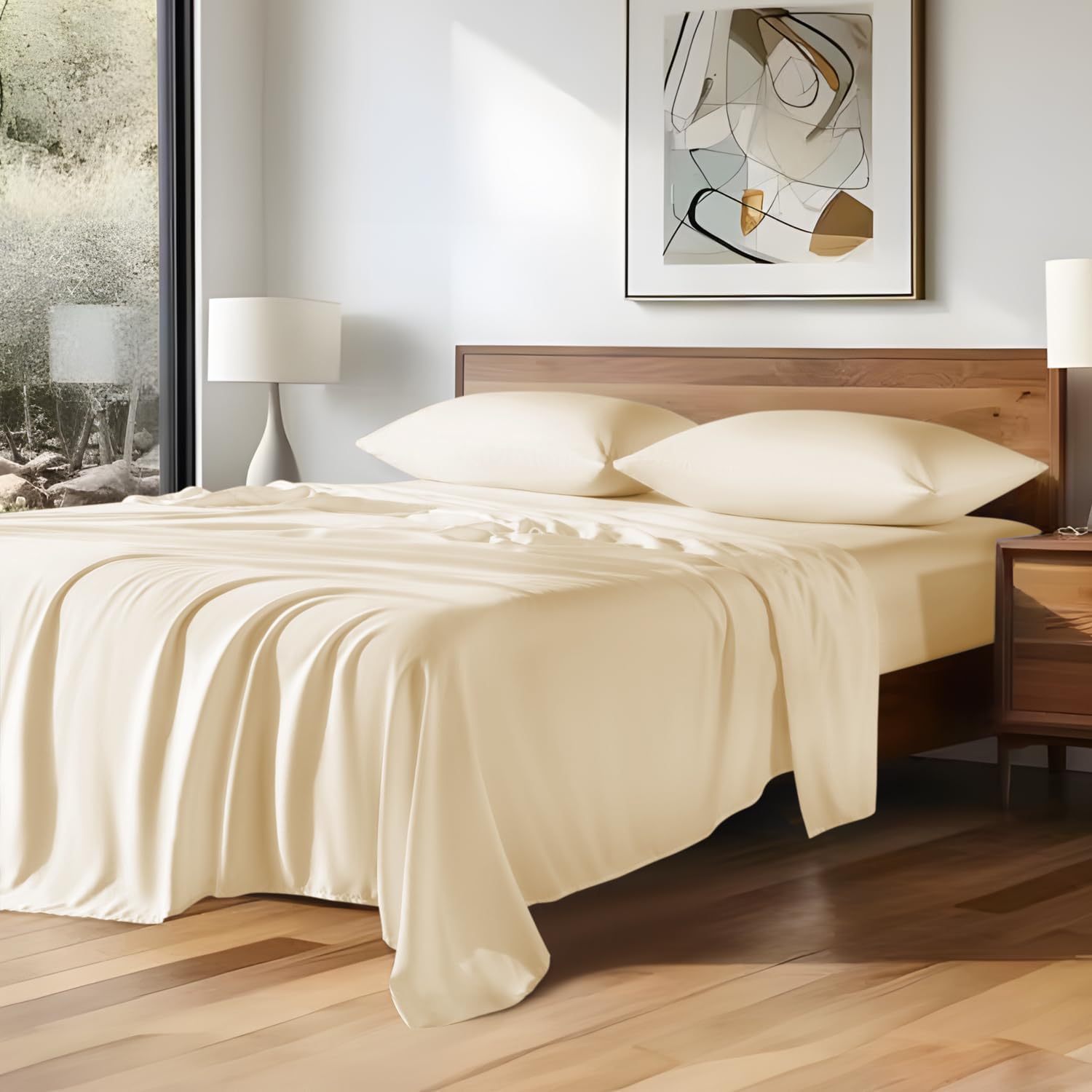
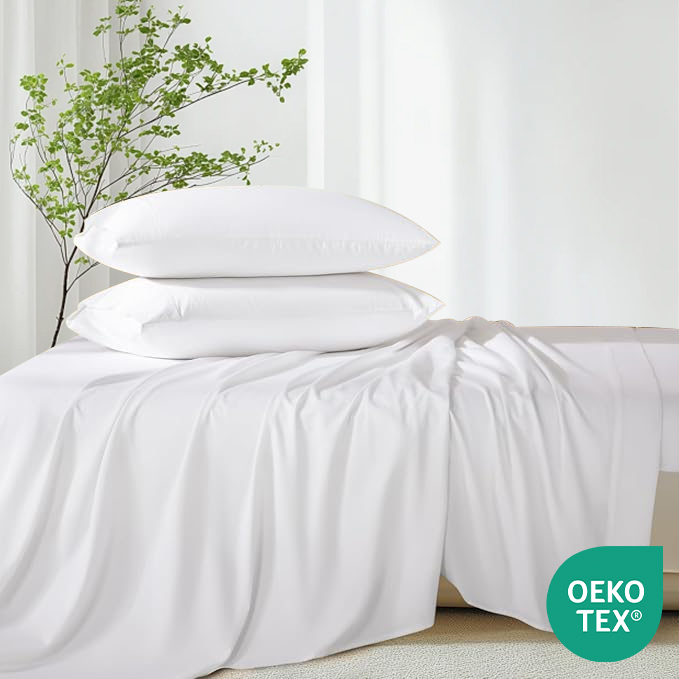
Soft white
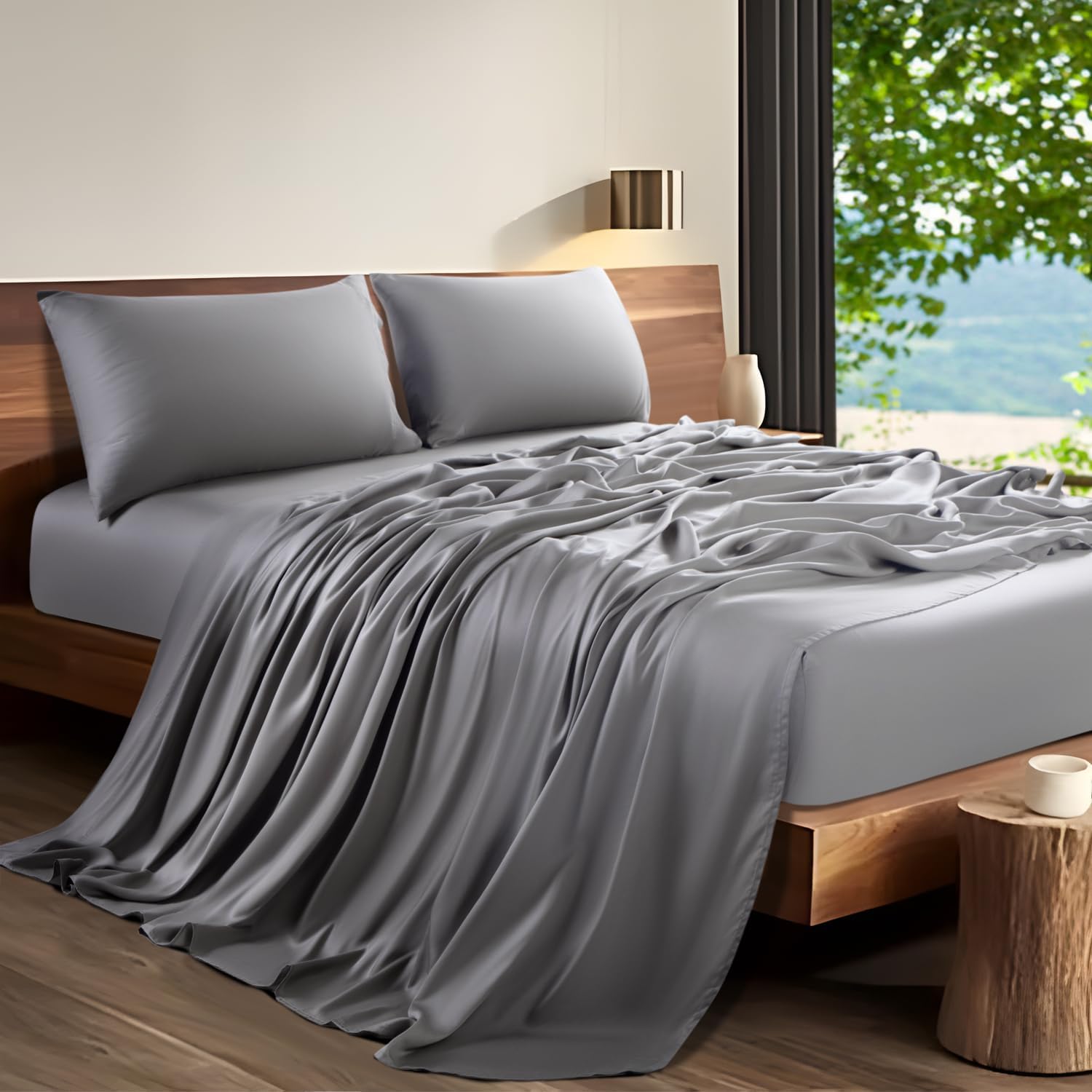
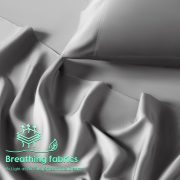
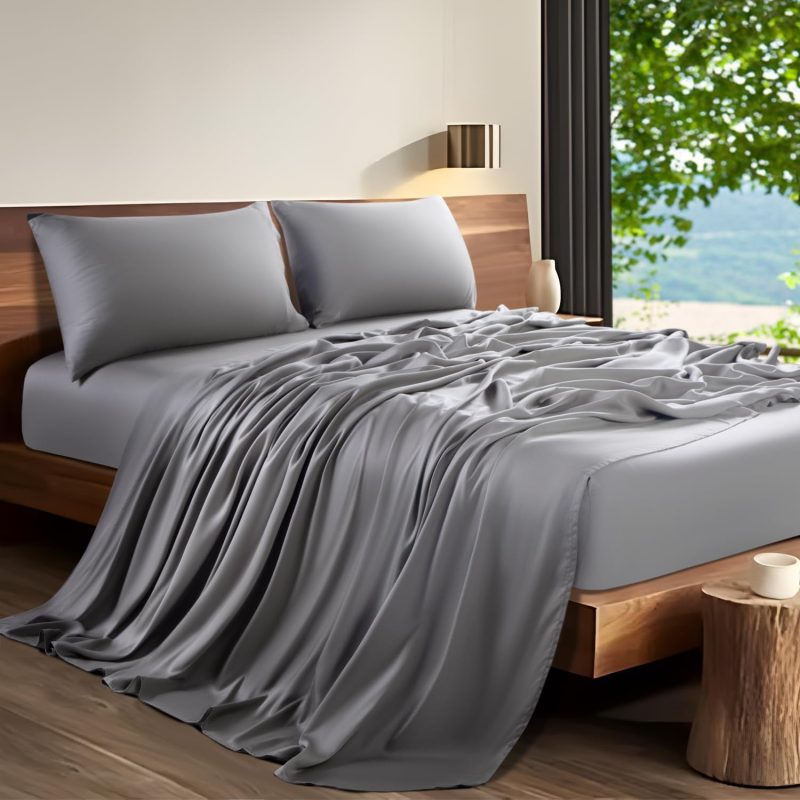
Muted grey
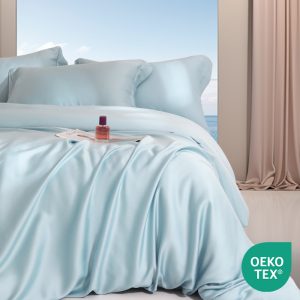
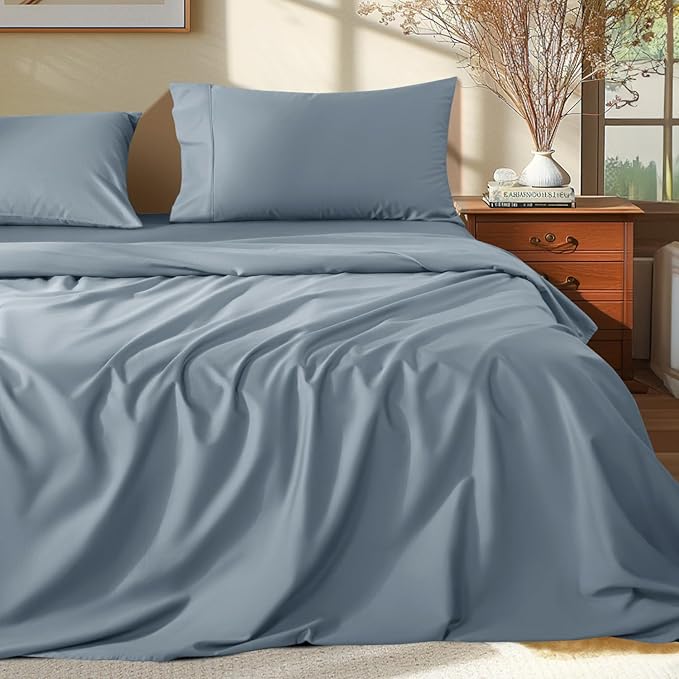
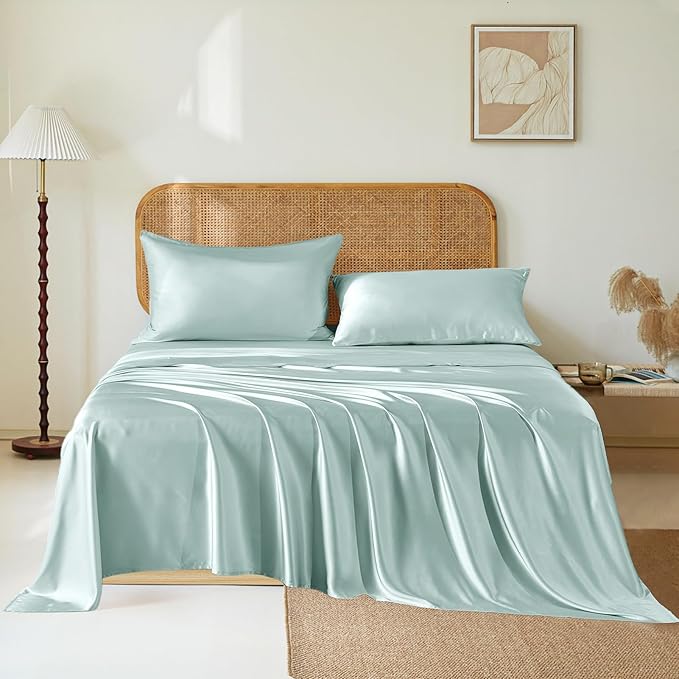
Dusty blue
Earth-inspired tones
Overly bright or artificial colors may undermine the sustainability narrative associated with eucalyptus Tencel sheets.
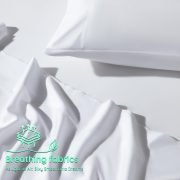
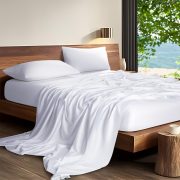
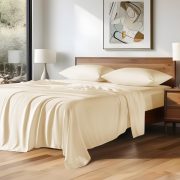
Unlike trend-driven prints, Tencel™ thrives in calm, minimalist environments. The visual presentation should communicate breathability and modernity.
Performance Compared to Cotton
Cotton remains dominant in global cotton bedding markets, but Tencel™ offers measurable differences.
Compared to high-thread-count cotton, Tencel™ feels cooler upon initial contact. Compared to sateen cotton, it maintains smoothness without excessive heat retention.
Cotton fibers can vary widely depending on staple length. Tencel™ fiber production is standardized, offering consistency across batches.
For buyers evaluating cotton and Tencel sheets side by side, Tencel™ often wins in moisture management tests.
Environmental Narrative
Sustainability is no longer a niche claim.
Consumers interested in environmentally conscious products often research supply chains. The closed-loop production system behind Tencel Lyocell strengthens its credibility.
While cotton requires significant water during cultivation, lyocell production emphasizes solvent recovery and reduced waste output.
From a sourcing standpoint, transparency documentation supports retail storytelling without overstating claims.
Durability Considerations
One concern occasionally raised in tencel sheets reddit discussions is long-term durability. Lower-quality lyocell constructions can pill if improperly finished.
To mitigate this risk, suppliers must control fiber length, weaving tension, and enzyme finishing stages.
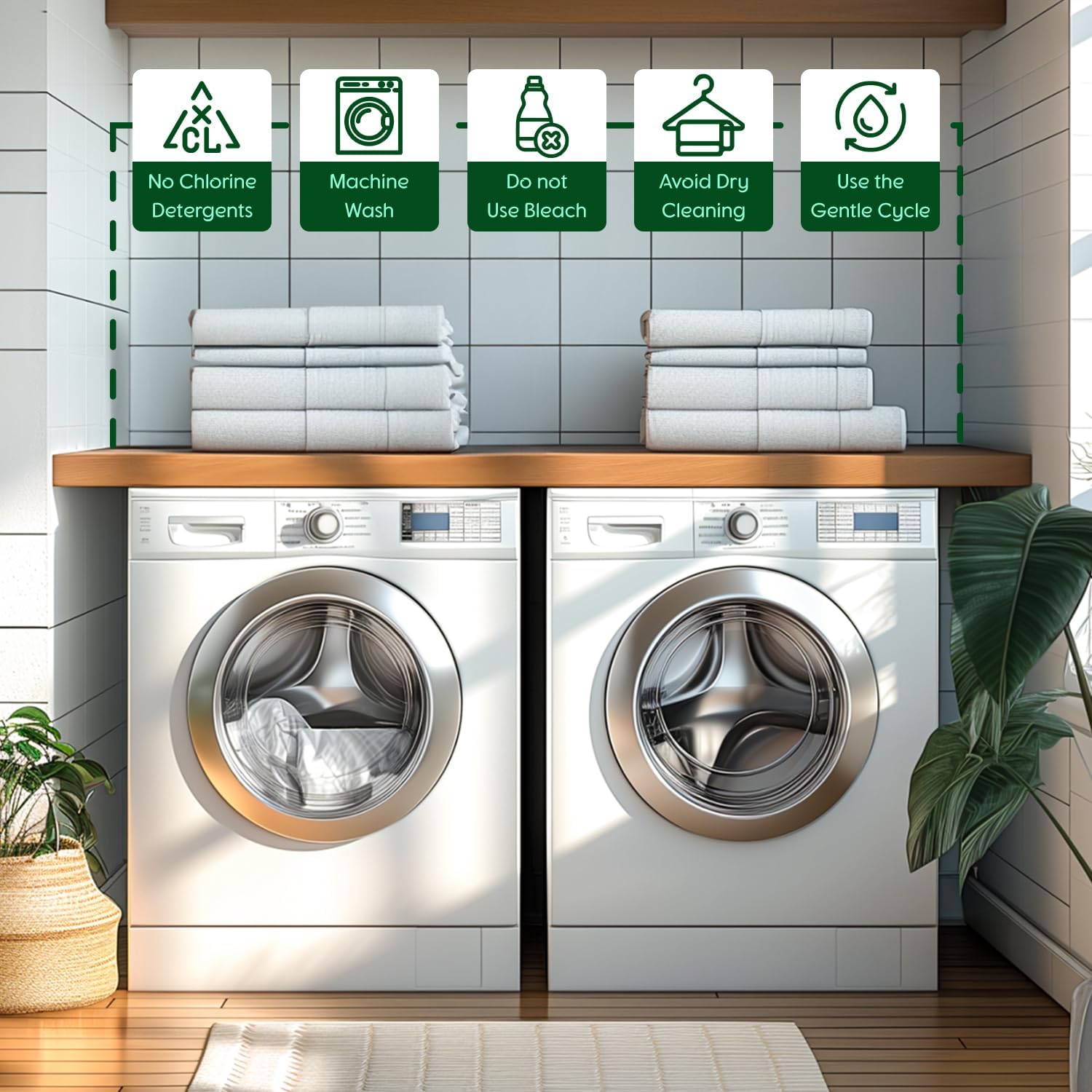
A premium 100 Tencel Lyocell sheets program should pass multiple wash cycles without surface degradation.
Commercial Role in a Bedding Portfolio
Within a structured assortment:
Microfiber addresses entry-level volume.
Cotton anchors tradition.
Linen represents artisanal texture.
Tencel™ defines performance-driven sustainability.
A 100% Tencel Lyocell flat sheet set serves as a bridge between eco-conscious consumers and luxury-seeking buyers.
It is not positioned as a budget alternative. Nor is it dependent on exaggerated thread count messaging.
Instead, it occupies a modern, minimalist performance tier.
Pricing Discipline
Because Tencel™ fiber carries higher raw material cost than standard cotton, pricing must reflect value without drifting into unattainable luxury brackets.
Consumers comparing West Elm Tencel sheets and Pottery Barn Tencel sheets expect premium pricing, but they also expect tangible sensory improvement.
The challenge is to maintain competitive positioning against blended tencel modal sheets, which may undercut price points.
Clear communication of 100% lyocell purity justifies differentiation.
Conclusion
A 100% Tencel Lyocell flat sheet set represents a strategic evolution in bedding.
It moves beyond traditional cotton narratives without embracing synthetic shortcuts. It aligns with sustainability trends while delivering tangible cooling performance.
For mature procurement teams, the opportunity lies not in following trend cycles but in defining material clarity.
When structured properly, a 100% Tencel Lyocell sheets program can compete with Malouf Tencel sheets, stand alongside West Elm Tencel sheets, and outperform blended alternatives in authenticity.
In a market crowded with cotton variations and microfiber volume plays, Tencel™ offers something increasingly valuable:
Consistency, transparency, and performance without exaggeration.
And in today’s bedding landscape, that combination builds longer-term brand equity than thread count inflation ever could.
Reviews
There are no reviews yet.