
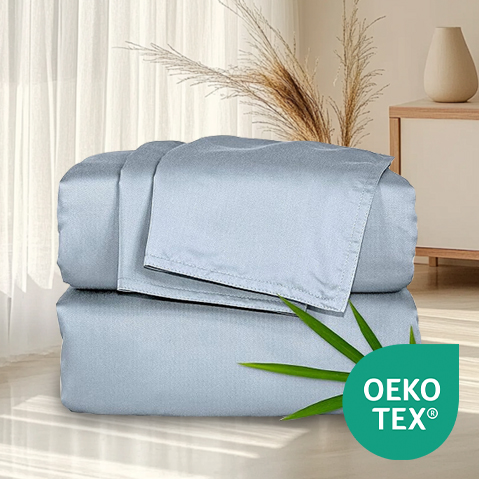
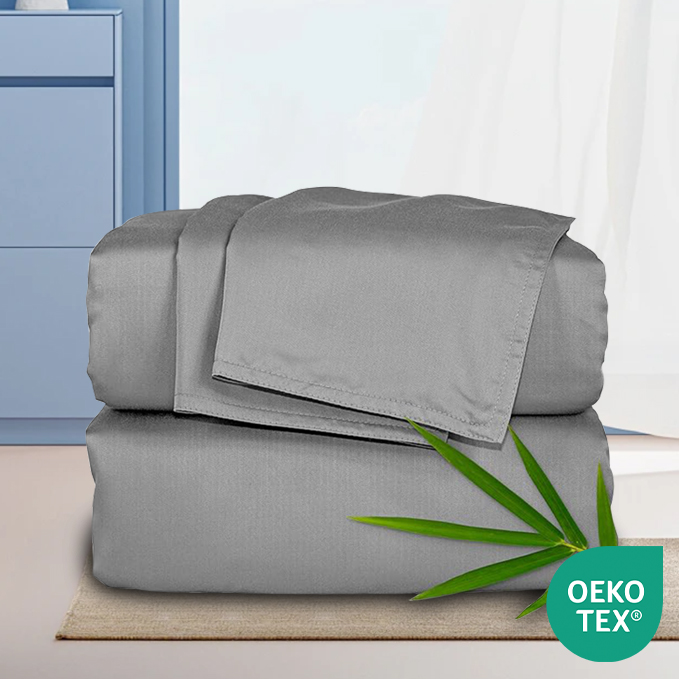
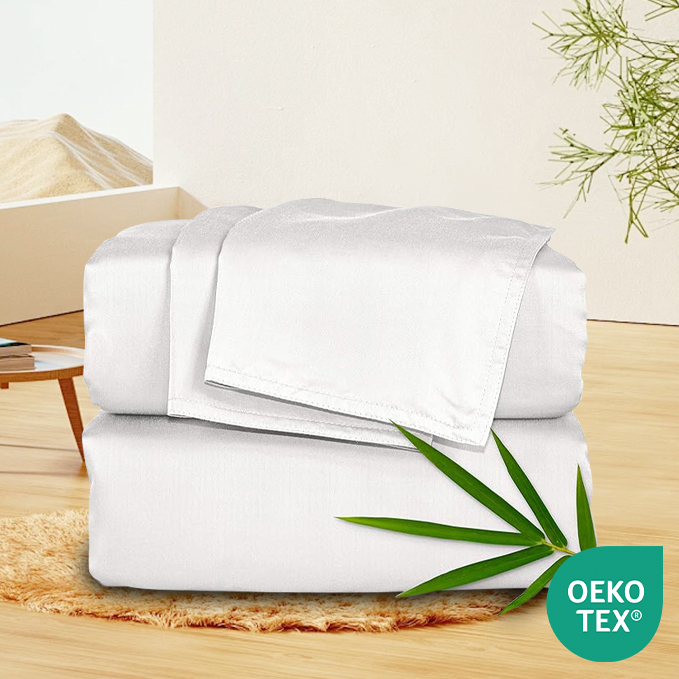
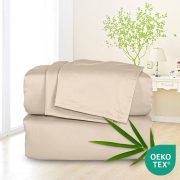
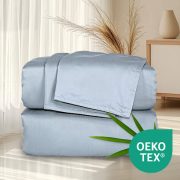
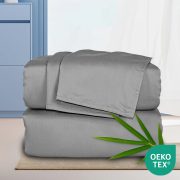
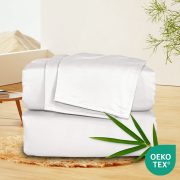
100% Bamboo Fiber Fitted Sheet Set: Fiber Technology, Commercial Positioning, and Volume Discipline for OEM Buyers
In the evolving premium bedding landscape across Europe and North America, 100% bamboo fiber fitted sheet sets have moved beyond novelty positioning. Once marketed primarily as a “cooling alternative,” bamboo-based textiles now occupy a defined space within performance-driven and sustainability-oriented bedding programs.
For mature procurement teams, bamboo fiber is not simply another soft fabric option. It is a fiber category that requires clarity in raw material specification, controlled finishing, stable dye processes, and disciplined volume planning. Without structural purchasing strategy, bamboo programs can quickly suffer from inconsistency, margin erosion, or supply chain confusion.
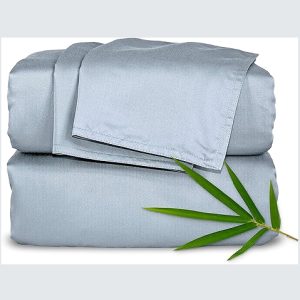
This paper outlines the technical, commercial, and operational framework required to build a stable 100% bamboo fiber fitted sheet set program for EU and US markets—particularly under the fabric-level minimum order requirement of 2000 meters per solid color or per printed design.
Understanding 100% Bamboo Fiber: Terminology and Fiber Clarity
In the global textile market, “bamboo” is often used loosely. For structured buyers, fiber definition must be precise.
Most commercial bamboo fabrics fall under one of three categories:
- Bamboo viscose (regenerated cellulose)
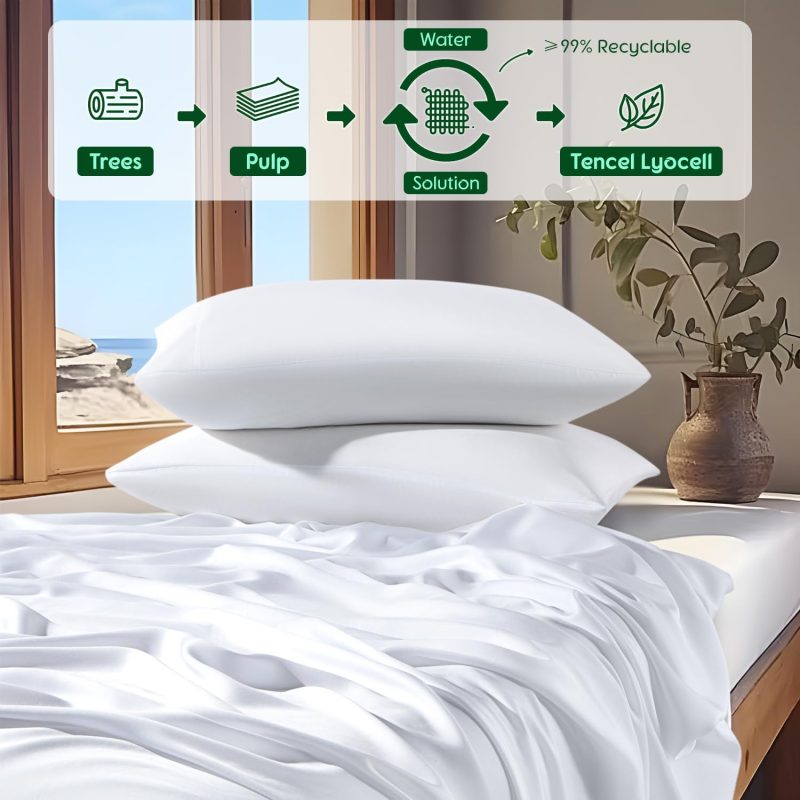
• Bamboo lyocell (closed-loop processed)
• Mechanical bamboo linen (rare and niche)
When specifying 100% bamboo fiber fitted sheet sets, procurement teams must clarify whether the fiber is:
- Bamboo viscose produced through conventional regeneration
• Bamboo lyocell processed via closed-loop solvent system
For EU markets especially, environmental scrutiny requires documented fiber sourcing and chemical management transparency.
Mature buyers request:
- Fiber origin documentation
• OEKO-TEX chemical compliance
• Mill processing disclosure
Softness alone is not a sufficient purchasing criterion.
Performance Characteristics in Bedding Applications
Bamboo fiber fabrics are widely recognized for:
- Exceptional softness
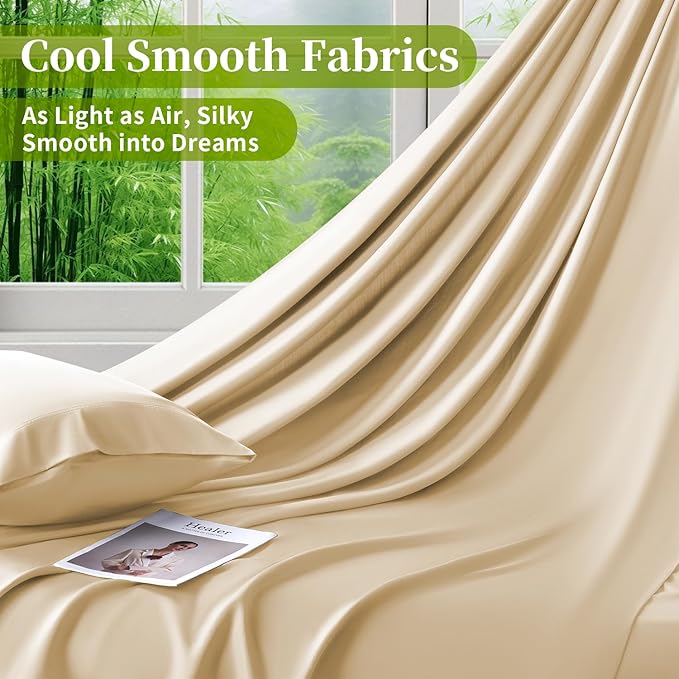
• Smooth hand feel
• Moisture absorption
• Temperature regulation
• Reduced static accumulation
In fitted sheet applications, these properties create:
- Cooling sleep surface
• Fluid drape over mattress
• Low skin friction
Compared to cotton percale, bamboo fabric feels softer at lower thread counts. Compared to polyester microfiber, it provides superior breathability and moisture management.
However, bamboo fiber fabrics are typically less structurally rigid than tightly woven cotton. This affects fitted sheet engineering and elastic construction requirements.
Fabric Construction & GSM Considerations
Unlike cotton programs that emphasize thread count, bamboo fiber bedding is more commonly specified by:
- GSM (grams per square meter)
• Yarn fineness
• Weave density
Common GSM range for fitted sheet sets:
- 120–140 GSM for lightweight cooling programs
• 140–160 GSM for premium durability balance
Heavier constructions increase durability but may reduce drape softness.
Weave structures commonly include:
- Sateen-style weave for enhanced smoothness
• Twill for structural strength
• Plain weave for lighter performance
Finishing treatment significantly influences final hand feel. Over-siliconized finishing can temporarily enhance softness but reduce long-term wash stability.
Minimum Order Requirement: 2000 Meters per Color or Print
As with other premium fiber programs, bamboo fabric production begins at the mill level.
Minimum order quantity is:
2000 meters per solid color
or
2000 meters per printed design
This requirement ensures:
- Stable dye bath calibration
• Shade consistency across full batch
• Economically viable loom setup
• Reduced waste ratio
• Reliable finishing performance
This is not 2000 sets.
If one fitted sheet set consumes approximately 8 meters of fabric (depending on size ratio), then:
2000 meters ÷ 8 meters per set ≈ 250 complete sets per color.
Therefore, each solid shade or single print variation yields roughly 250 sets.
For structured buyers, this fabric-level commitment enables cost control and quality stability.
For very small sellers seeking fragmented quantities (e.g., 50–80 sets per color), the economics of certified bamboo fiber production become inefficient and cost-prohibitive.
The 2000-meter framework supports long-term commercial sustainability rather than opportunistic short runs.
Size Planning & Volume Allocation
In US retail, queen size fitted sheet sets dominate volume, followed by king.
Typical size allocation from a 2000-meter batch (approx. 250 sets):
- 60–65% Queen
• 25–30% King
• 5–10% Full/Twin
Bamboo fitted sheets for king mattresses require reinforced elastic due to higher tension surface area.
Because each color requires a full 2000-meter commitment, disciplined size forecasting is essential to avoid overstock imbalance.
Color Strategy for Bamboo Programs
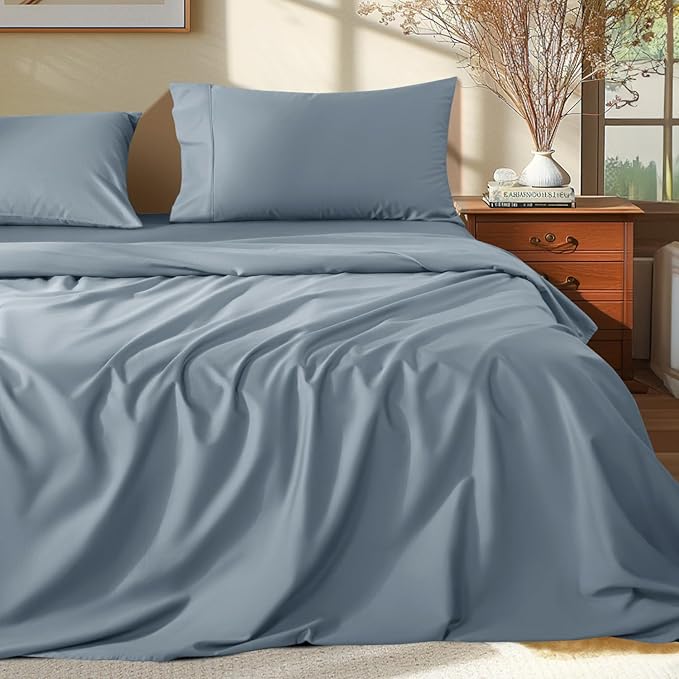
Bamboo fabrics display rich, saturated colors due to fiber smoothness.
Successful core colors in EU & US markets:
Core Neutrals (2000 meters each):
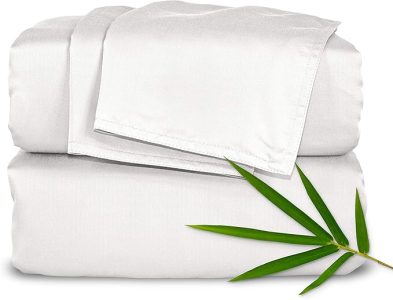
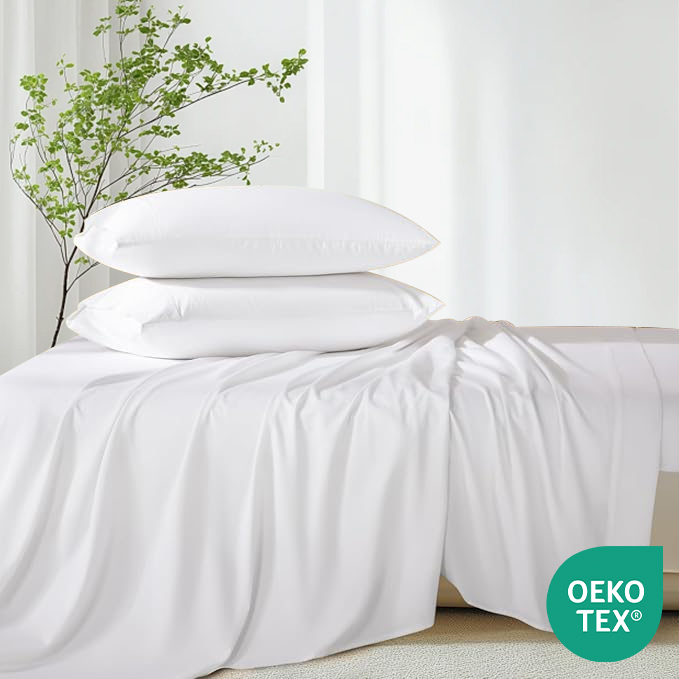
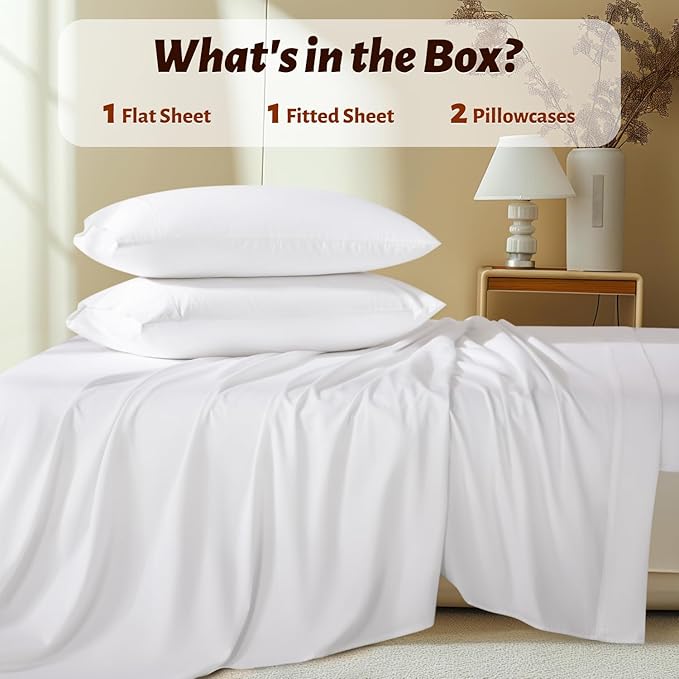
- Cloud white
• Pearl grey
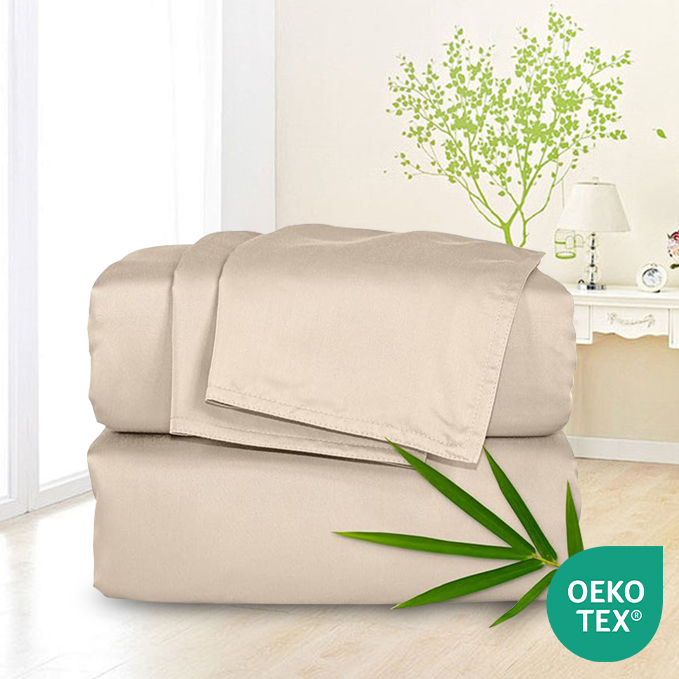
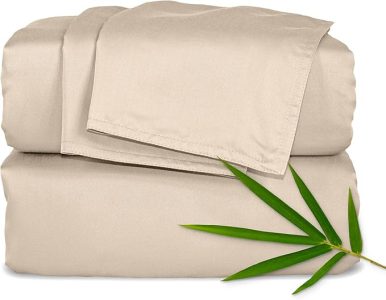
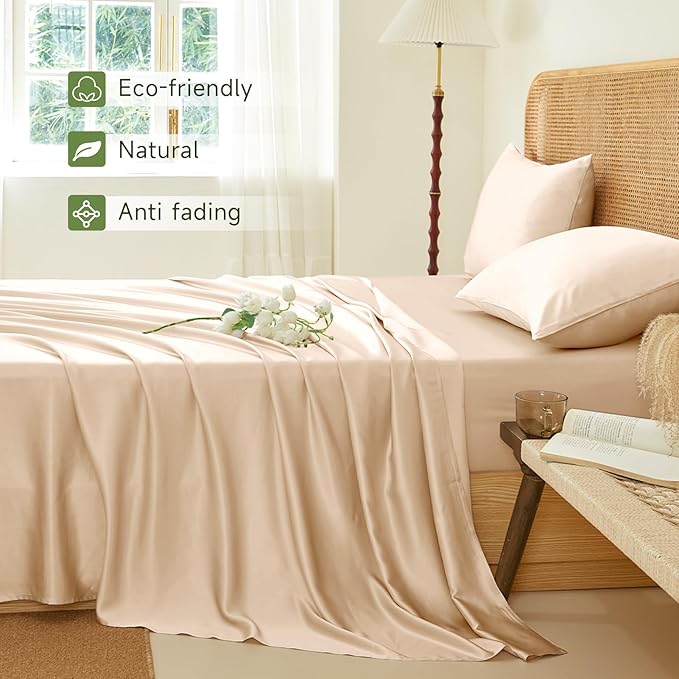
• Warm beige
• Soft charcoal
Cooling-Oriented Shades:
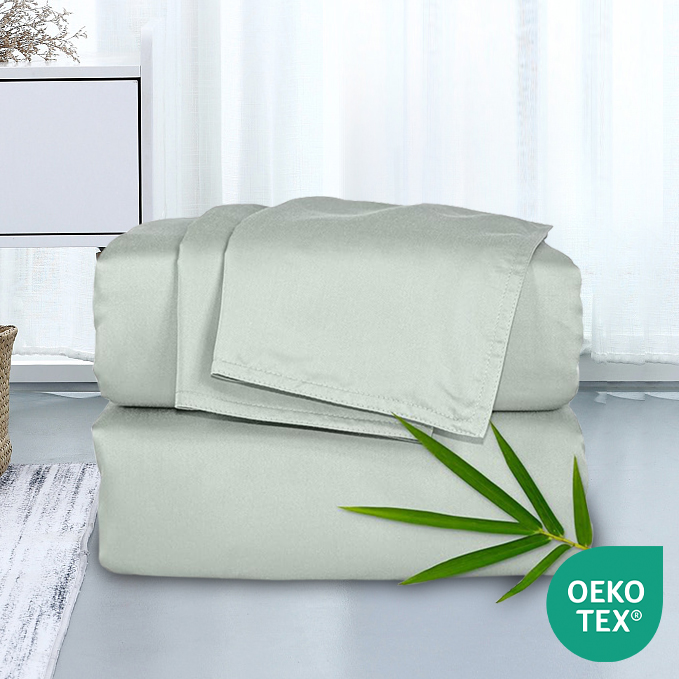
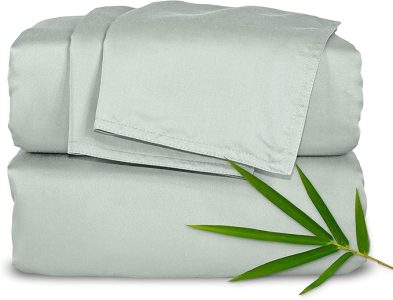
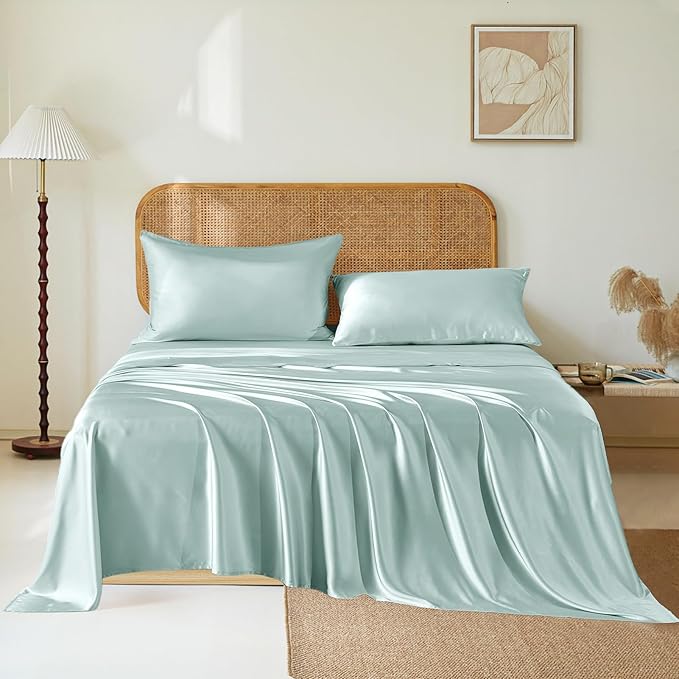
- Sage
• Mist blue
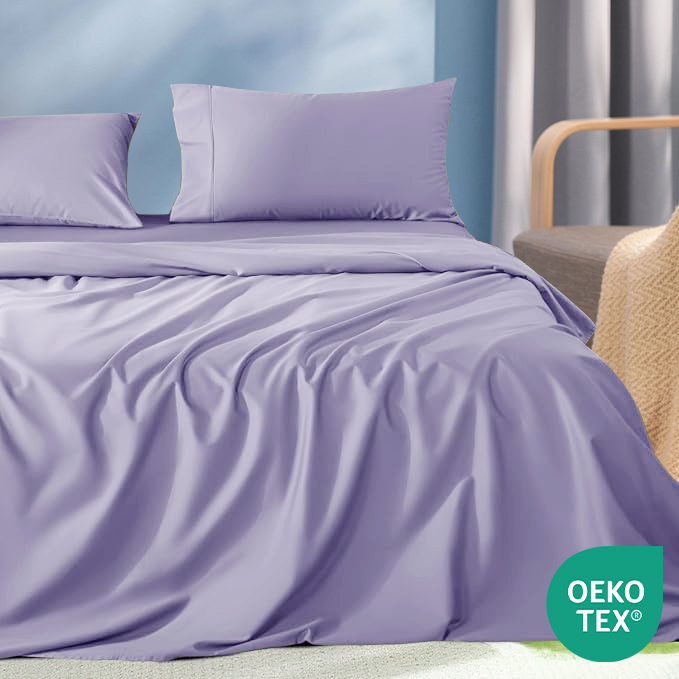
• Dusty lavender
• Pale sand
Printed bamboo fitted sheet sets require independent 2000-meter commitments per pattern.
Digital printing is possible but increases per-meter cost compared to solid dyeing.
SKU expansion should be gradual. Launching with 3–5 core shades allows manageable working capital allocation.
Elastic & Construction Engineering
Because bamboo fabric drapes fluidly, fitted sheet construction must compensate structurally.
Recommended specifications:
- 360-degree fully encased elastic
• Reinforced corner bar-tack stitching
• 14–16 inch deep pocket capacity
• Pre-shrink allowance integrated into pattern grading
Elastic recovery testing is critical, particularly for king-size sheets.
Without reinforced elastic channels, bamboo fitted sheets may shift due to lower fabric rigidity.
Wash Performance & Dimensional Stability
Bamboo fabrics are sensitive to excessive heat.
Pre-production testing should include:
- 40°C wash cycle
• Low tumble dry simulation
• 3–5 repeated wash cycles
• Shrinkage measurement
EU buyers often require shrinkage below 5%.
Proper finishing stabilizes dimensions while preserving softness.
Clear consumer care labeling reduces return rates and improves satisfaction.
Cost Structure Considerations
100% bamboo fiber programs typically carry higher raw material costs compared to conventional cotton.
Major cost drivers include:
- Regenerated fiber processing
• Dye compliance management
• Soft finishing treatment
• Higher yarn price
• Lower weaving speed compared to polyester
However, bamboo fitted sheet sets often achieve higher retail pricing due to perceived cooling and softness advantages.
Mature procurement strategy evaluates:
- Margin durability
• Channel positioning
• Return rate risk
• Repeat purchase behavior
Bamboo is not positioned as a discount alternative. It functions as a performance-enhanced mid-to-premium category.
Sustainability Positioning
While bamboo is often marketed as environmentally friendly, claims must be accurate.
Responsible communication includes:
- Regenerated cellulose disclosure
• Certification reference
• Chemical compliance documentation
Overstated sustainability claims risk regulatory scrutiny in EU markets.
Structured buyers align marketing language with verifiable documentation.
Working Capital & Structured Entry
The 2000-meter per color minimum supports stable cost structure and production predictability.
Launching:
- 3 colors = approx. 750 sets
• 5 colors = approx. 1250 sets
This scale aligns with:
- Established DTC brands
• Regional retail programs
• Specialty sleep retailers
• Boutique hospitality chains
Buyers without established distribution channels may find the volume commitment disproportionate relative to projected sell-through capacity.
Rather than limiting access, the structure ensures that production efficiency, dye integrity, and fiber authenticity remain uncompromised.
Lead Time Planning
Estimated production cycle:
- Fiber sourcing & yarn preparation: 2–3 weeks
• Weaving: 3–4 weeks
• Dyeing & finishing: 2–3 weeks
• Cutting & sewing: 3–4 weeks
Total: Approximately 75–95 days.
Advance seasonal planning is recommended for Q3–Q4 retail cycles.
Risk Management
Common risk factors include:
- Shade variation across reorders
• Excess shrinkage due to improper finishing
• Elastic failure in deep-pocket king sizes
• Overexpansion of low-rotation colors
Pre-shipment inspection and lab testing mitigate operational exposure.
Strategic Portfolio Role
Within a bedding portfolio, 100% bamboo fiber fitted sheet sets provide:
- Distinct tactile differentiation
• Cooling narrative appeal
• Premium yet modern positioning
• Reduced price-comparison pressure
Compared to cotton percale (crisp durability) and TENCEL™ (fiber-brand science positioning), bamboo offers softness-driven differentiation.
Because production begins at 2000 meters per color or print, this category favors buyers with:
- Structured forecasting systems
• Defined annual assortment plans
• Channel clarity
• Stable capital allocation
Conclusion
A 100% bamboo fiber fitted sheet set is a fiber-driven, performance-oriented bedding category requiring disciplined sourcing and structured volume planning.
For mature EU and US buyers, successful program development requires:
- Clear fiber specification (viscose vs lyocell)
• 2000 meters minimum per solid color or printed design
• Approximate planning of 250 sets per color (based on 8 meters consumption per set)
• Strategic size ratio allocation
• Reinforced fitted sheet engineering
• Controlled SKU expansion
• Verified chemical compliance
The 2000-meter threshold is not restrictive. It ensures:
- Dye consistency
• Production efficiency
• Cost stability
• Quality predictability
For buyers with established distribution and structured planning cycles, bamboo fiber fitted sheet sets offer long-term differentiation and margin resilience.
For programs without forecasting clarity or channel depth, additional commercial development may be advisable prior to entry.
In a bedding market shaped by comfort science and sustainability awareness, 100% bamboo fiber represents a viable premium direction—when approached with operational discipline and volume commitment.
Reviews
There are no reviews yet.