

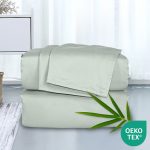
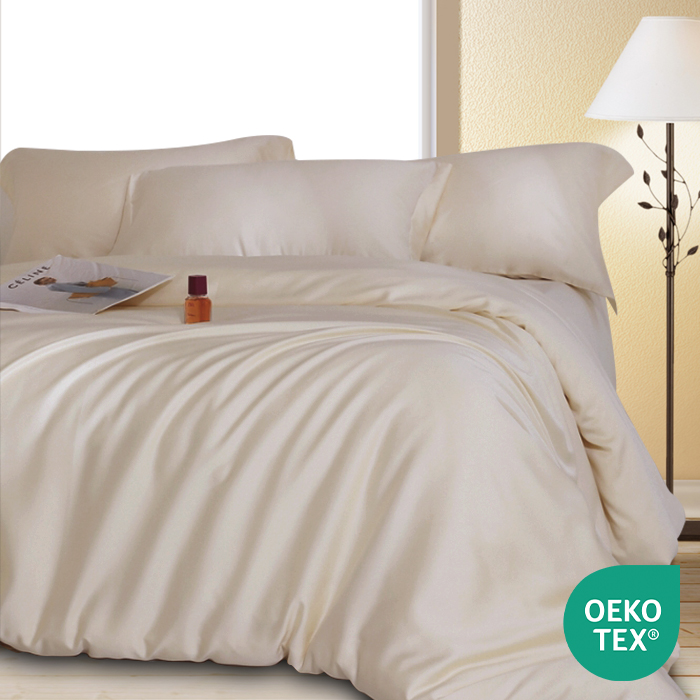
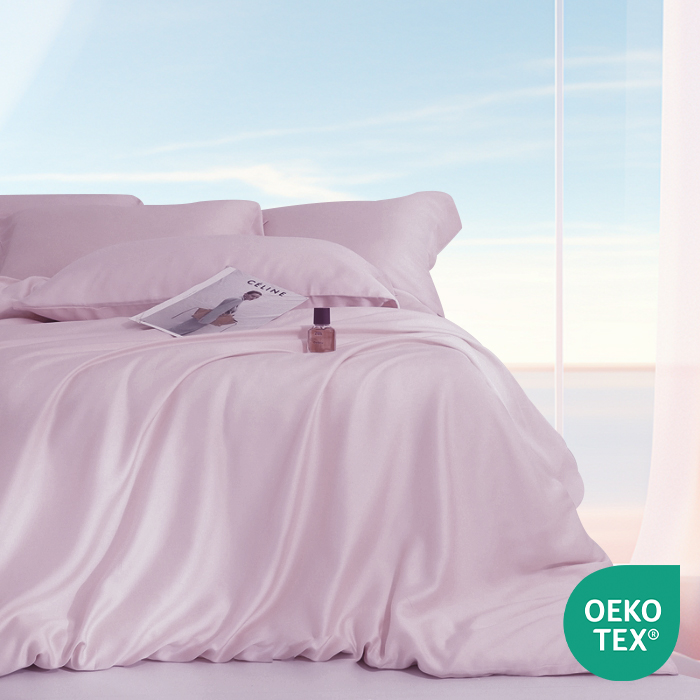
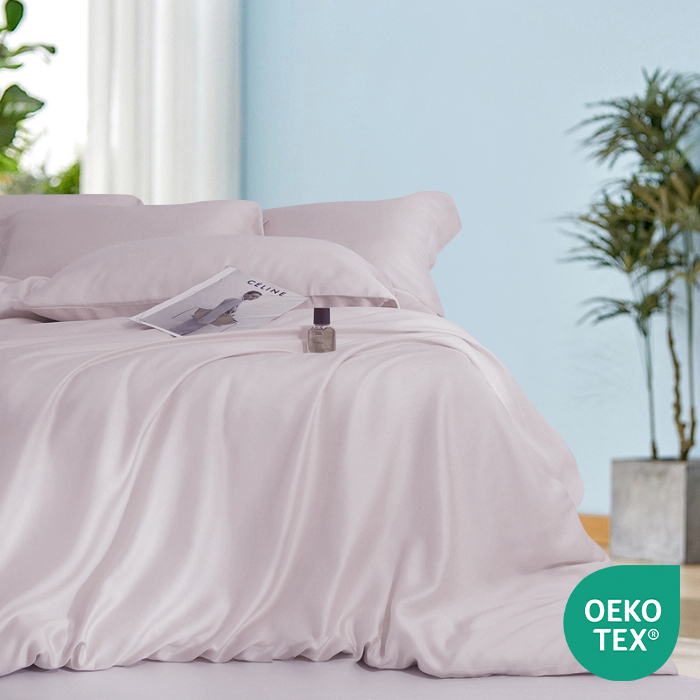
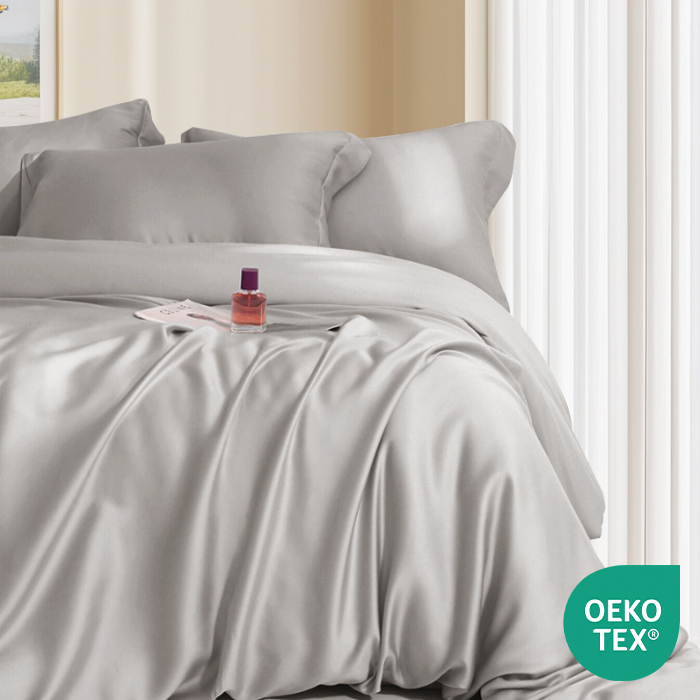
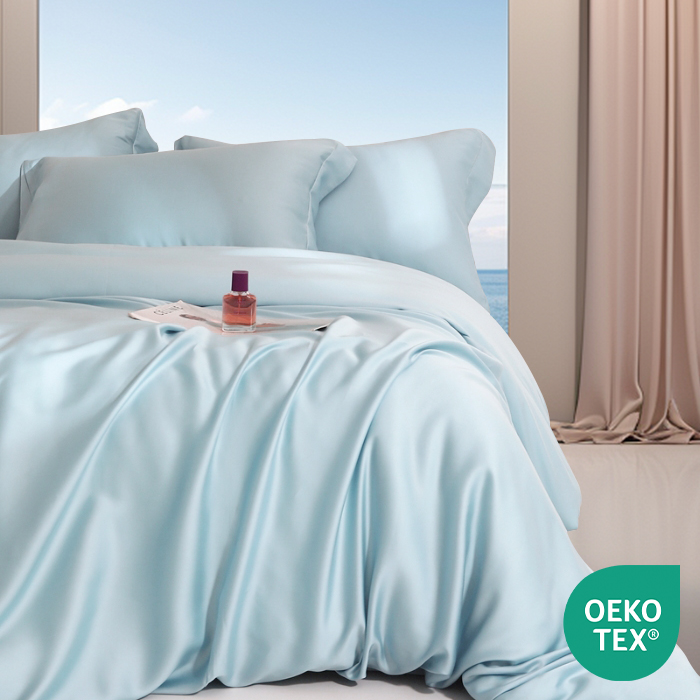
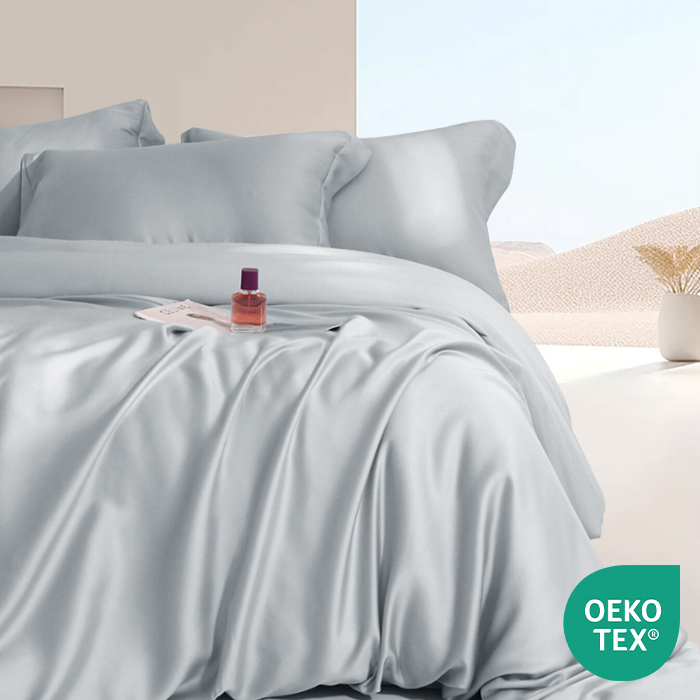
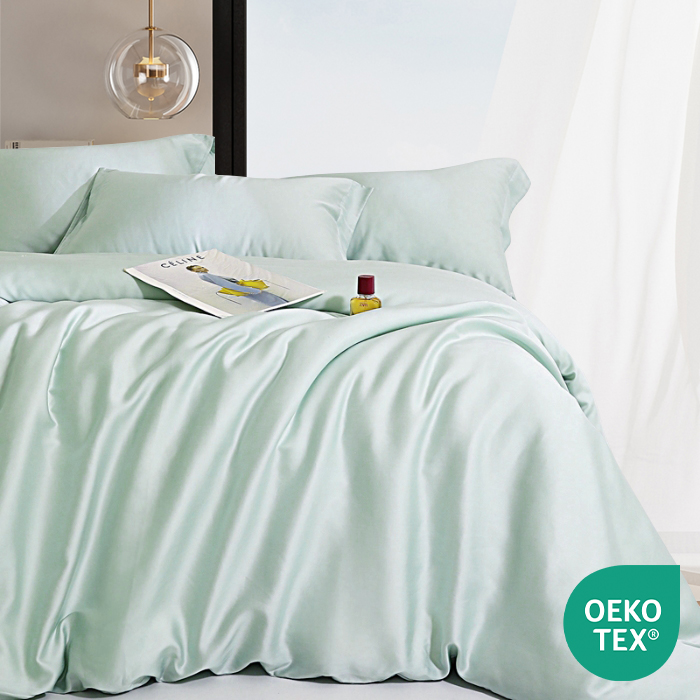
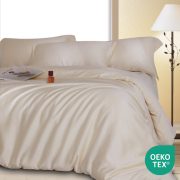

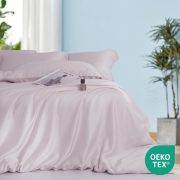
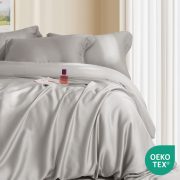
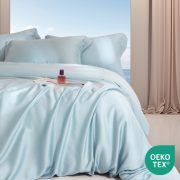
Lenzing™ TENCEL™ Lyocell Fitted Sheet Set: Fiber Integrity, Premium Positioning, and Volume Discipline for Structured Global Buyers
In the contemporary premium bedding segment across Europe and North America, Lenzing™ TENCEL™ Lyocell has transitioned from niche innovation to structured category. It is no longer a “trend fiber.” It is a performance-driven material positioned between luxury cotton and advanced eco-textiles.
For mature procurement teams building sustainable, repeatable programs, TENCEL™ Lyocell fitted sheet sets represent a strategic extension beyond traditional cotton constructions. However, this category requires disciplined volume planning, fiber authentication control, and clear channel positioning.
Unlike entry-level microfiber or opportunistic blended fabrics, Lenzing™ TENCEL™ programs demand structured commitment at the fabric level. Production begins with a minimum of 2000 meters per solid color or per printed design. This framework ensures fiber traceability, dye stability, and commercial viability.
Understanding Lenzing™ TENCEL™ Lyocell: Not All Lyocell Is Equal
Lyocell is a fiber category. TENCEL™ is a branded fiber owned by Lenzing AG, with traceable production standards and strict environmental compliance.
Mature buyers understand the distinction:
- Generic lyocell = fiber category
• Lenzing™ TENCEL™ Lyocell = branded, certified supply chain
In EU markets especially, fiber branding credibility impacts retail acceptance. Consumers and retailers increasingly require fiber origin transparency. Using authentic Lenzing™ fiber enables hangtags, traceability documentation, and marketing claims aligned with sustainability regulations.
For procurement teams supplying department stores, specialty retailers, or established DTC brands, verification of fiber authenticity is non-negotiable.
Fiber Performance Characteristics
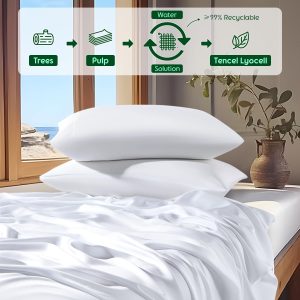
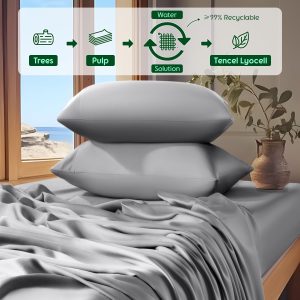
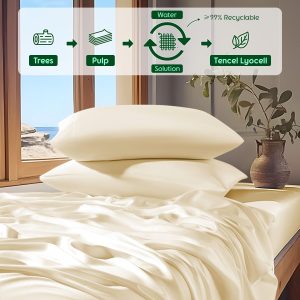
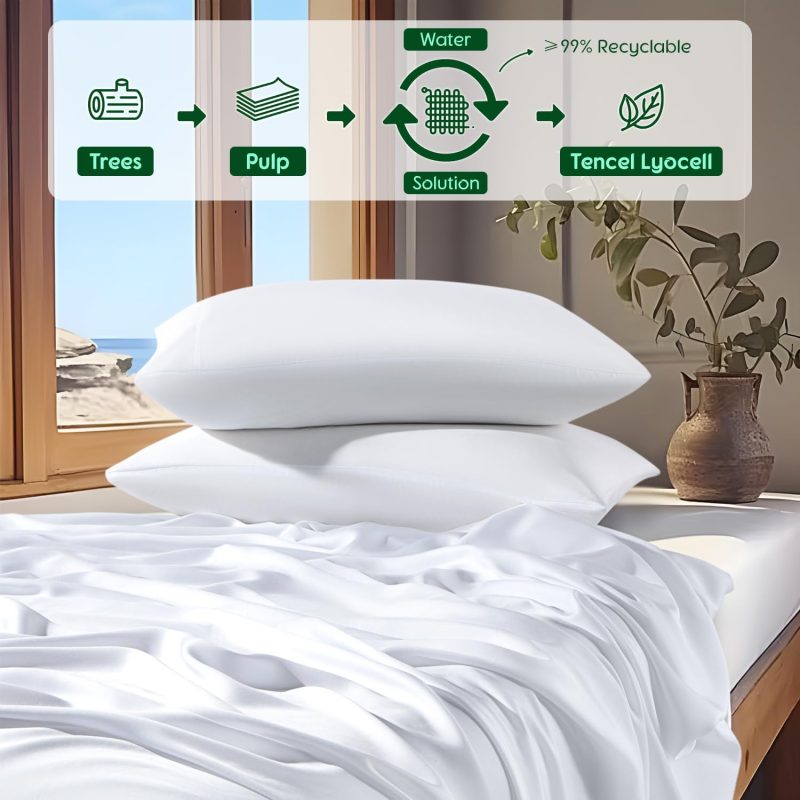
TENCEL™ Lyocell is engineered through a closed-loop solvent spinning process. Its performance profile includes:
- High moisture absorption
• Smooth fiber surface
• Low static generation
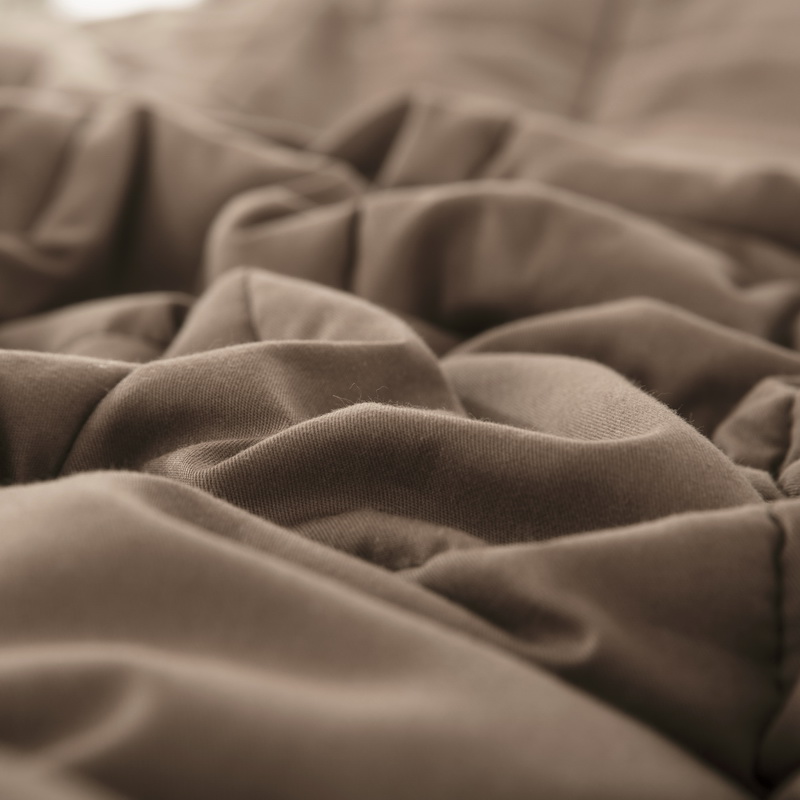
• Excellent drape
• Temperature regulation
Compared to cotton, TENCEL™ demonstrates superior moisture management. Compared to polyester, it maintains natural hand feel and breathability.
For fitted sheet applications, these characteristics translate into:
- Cooling sleep surface
• Reduced friction against skin
• Enhanced softness retention after washing
However, softness alone does not justify category entry. Long-term durability, dimensional stability, and dye consistency determine commercial success.
Fabric Construction Options
TENCEL™ fitted sheet sets are commonly constructed in:
- 100% TENCEL™ Lyocell
• TENCEL™/cotton blends (for cost balance)
For premium positioning, 100% TENCEL™ constructions deliver maximum fiber benefit.
Weave structures typically include:
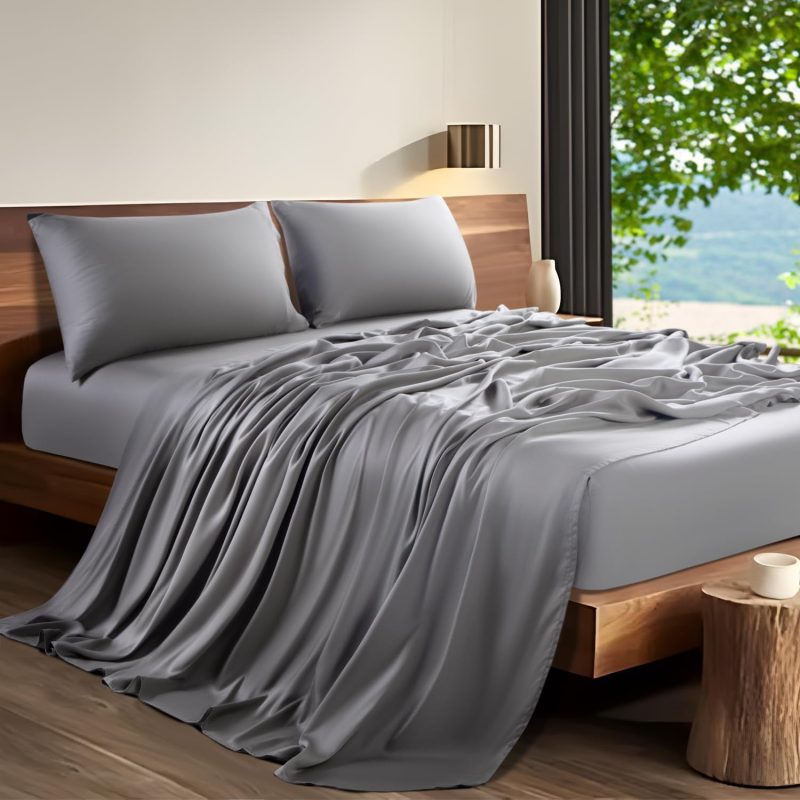
- Sateen weave for fluid drape and sheen
• Twill for subtle texture
• Lightweight plain weave for breathable structure
Thread count in TENCEL™ fabrics is less emphasized than GSM and yarn quality. Over-marketing thread count in this category often signals inexperience.
Minimum Order Structure: 2000 Meters per Color or Print
Fabric-level production begins with a minimum order quantity of 2000 meters per solid color or per printed pattern.
This threshold ensures:
- Stable dye bath calibration
• Shade consistency across batch
• Economically viable weaving setup
• Fiber certification tracking
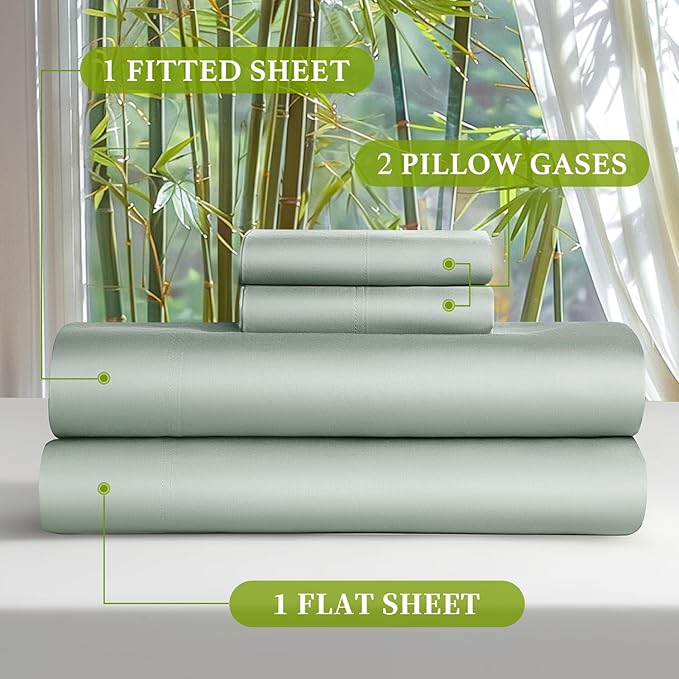
For fitted sheet sets requiring approximately 8 meters of fabric per set (depending on size ratio), 2000 meters yields roughly 250 complete sets per color.
This production logic serves several purposes:
- It maintains cost integrity.
- It protects shade uniformity.
- It ensures supply chain documentation accuracy.
- It supports structured inventory forecasting.
Smaller runs below 2000 meters often result in:
- Elevated per-meter cost
• Higher risk of shade deviation
• Production reluctance from certified mills
TENCEL™ is not a speculative micro-batch category. It is a structured premium program.
Size Ratio Planning
In US markets, queen size dominates rotation volume, followed by king.
Typical allocation from a 2000-meter batch (approx. 250 sets):
- 60–65% Queen
• 25–30% King
• 5–10% Full/Twin
Improper forecasting may create size imbalance, tying capital in slower-moving SKUs.
Because each color requires 2000 meters minimum, expansion into excessive shades increases working capital exposure. Mature buyers prioritize depth in 3–5 core colors before seasonal diversification.
Color Strategy in TENCEL™ Programs
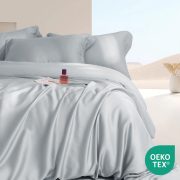
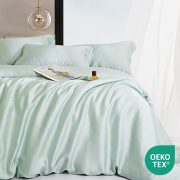
TENCEL™ fibers display color with clarity and saturation due to smooth fiber surfaces.
Best-performing shades in EU & US premium retail include:
Core Neutrals (2000 meters each):
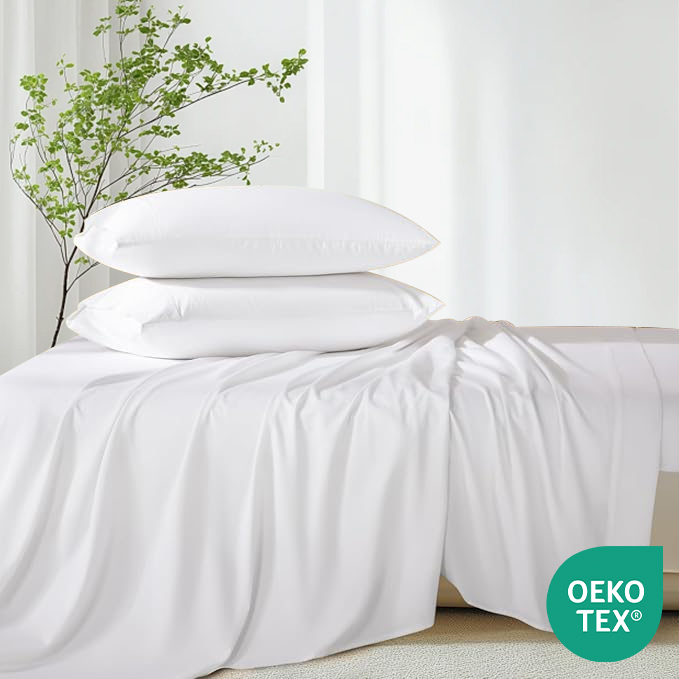
• Soft white
• Pearl grey
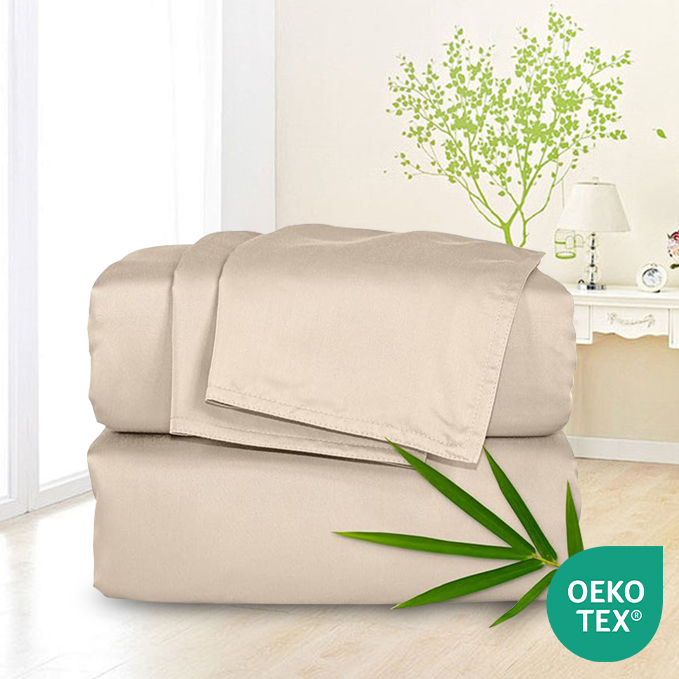
• Stone
• Champagne
Contemporary Tones (2000 meters each):
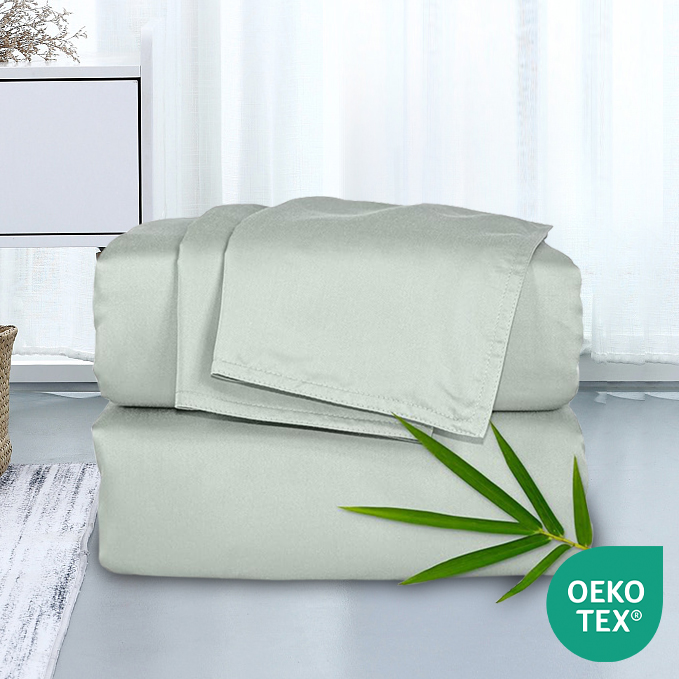
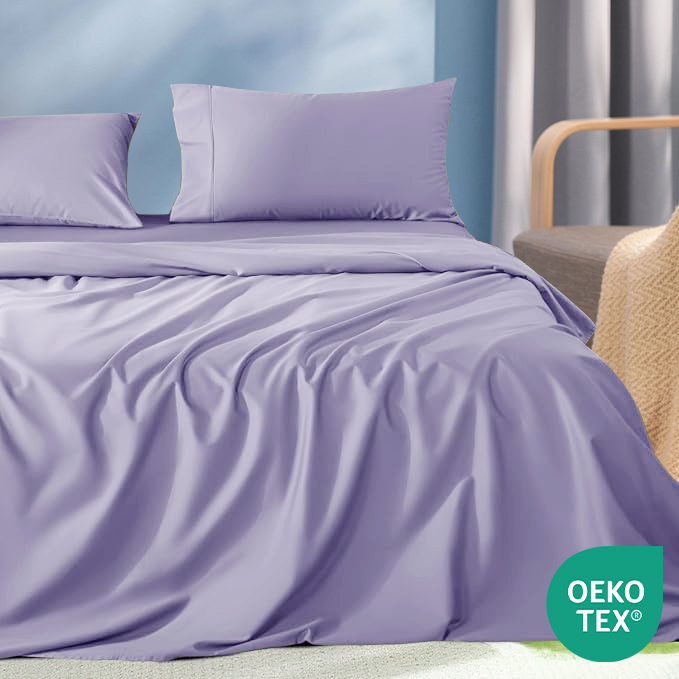
• Sage
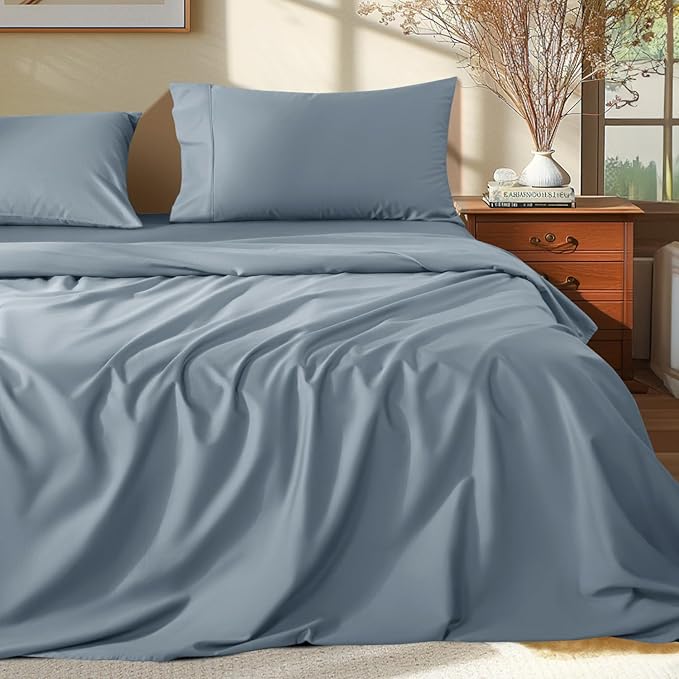
• Dusty blue
• Sand
• Muted mauve
Printed designs require separate 2000-meter commitments per pattern due to rotary or digital setup processes.
Given the fiber’s premium cost, disciplined SKU management is essential. Rapid color proliferation is rarely advisable in early-stage programs.
Fitted Sheet Engineering for TENCEL™
TENCEL™ fabric possesses fluid drape and smoothness. However, it has lower structural rigidity compared to crisp cotton percale.
Engineering considerations:
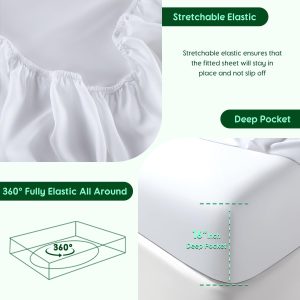
- Fully encased 360° elastic
• Reinforced corner stitching
• Deep pocket specification (14–16 inches US standard)
• Shrinkage allowance built into grading
Elastic recovery testing is critical, particularly for king fitted sheets where mattress surface tension is higher.
Wash Performance & Care
TENCEL™ maintains softness after laundering but requires appropriate finishing to prevent:
- Excess wrinkling
• Excess shrinkage
• Surface abrasion
Pre-washing and controlled finishing stabilize dimensions.
EU buyers frequently demand shrinkage tolerance below 5% after standardized wash testing.
Clear labeling of care instructions protects long-term performance and reduces return rates.
Cost Structure Considerations
TENCEL™ fiber pricing exceeds conventional cotton and polyester blends.
Major cost drivers include:
- Branded fiber sourcing
• Certification fees
• Controlled dye processes
• Higher yarn cost
• Softer finishing treatments
However, retail pricing tiers justify premium margins when positioned correctly.
Mature buyers focus not only on FOB price, but on:
- Gross margin sustainability
• Brand elevation
• Lower discount pressure
• Reduced return rates due to comfort differentiation
Competitive Benchmarking
TENCEL™ fitted sheet sets compete in the same tier as:
- High-thread-count sateen cotton
• Organic cotton premium lines
• Boutique eco-brands
However, it offers differentiation through fiber science rather than thread count marketing.
Retailers increasingly highlight cooling and moisture-regulating properties. Procurement teams must validate these claims through lab data rather than marketing language.
Sustainability & Certification
Lenzing™ provides:
- Fiber traceability
• FSC-certified wood sourcing
• Closed-loop solvent recovery system
Documentation typically includes:
- Fiber origin certificate
• Transaction certificate
• Hangtag authorization
Without proper documentation, fiber branding cannot legally be applied in many EU jurisdictions.
Working Capital & Entry Discipline
The 2000-meter per color minimum serves an additional function: it naturally supports structured buyers.
Launching one color equals approximately 250 sets. Launching four colors equals roughly 1000 sets initial production.
This scale aligns with:
- Established DTC brands
• Regional retail chains
• Boutique hospitality groups
Very small sellers seeking 50–80 sets per color typically cannot absorb the fabric-level minimum without disproportionate cost impact.
Thus, TENCEL™ fitted sheet programs are best suited to buyers with:
- Defined distribution channels
• Forecast visibility
• Marketing infrastructure
• Capital planning discipline
Rather than positioning the category as inaccessible, the volume structure simply ensures operational sustainability.
Lead Time & Production Timeline
Estimated timeline:
- Fiber procurement confirmation: 2–3 weeks
• Weaving: 3–4 weeks
• Dyeing & finishing: 2–3 weeks
• Cutting & sewing: 3–4 weeks
• Certification processing: 1 week
Total: Approximately 80–100 days depending on seasonal demand.
Advance forecasting is recommended for Q3 and Q4 launches.
Risk Management
Primary risk factors include:
- Shade inconsistency between batches
• Misuse of generic lyocell substituted for TENCEL™
• Over-expansion of seasonal colors
• Weak elastic integration
Third-party testing and pre-shipment inspection mitigate operational exposure.
Strategic Role in a Bedding Portfolio
For structured buyers, TENCEL™ fitted sheet sets provide:
- Technological differentiation
• Sustainability narrative
• Premium margin insulation
• Reduced direct price comparison
Unlike entry-level microfiber categories, TENCEL™ does not compete primarily on price. It competes on performance and traceability.
Because production begins at 2000 meters per color or print, the category favors buyers with clear annual planning cycles.
Conclusion
Lenzing™ TENCEL™ Lyocell fitted sheet sets represent a fiber-driven premium bedding category designed for structured growth in EU and US markets.
Success in this segment requires:
- Verification of authentic branded fiber
• Commitment to 2000 meters per solid color or printed design
• Approximate planning of 250 sets per color (based on 8 meters per set consumption)
• Strategic size ratio allocation
• Controlled color expansion
• Certification compliance management
The 2000-meter minimum is not a barrier. It is a framework that ensures:
- Dye stability
• Fiber traceability
• Commercial efficiency
• Sustainable margin structure
For mature procurement teams with defined retail or hospitality channels, TENCEL™ offers long-term differentiation and portfolio elevation.
For those without structured forecasting capacity, this category may require further operational development before entry.
In a bedding market increasingly shaped by sustainability expectations and fiber transparency, Lenzing™ TENCEL™ Lyocell fitted sheet sets stand as a disciplined, performance-driven opportunity—provided they are approached with volume clarity, sourcing rigor, and long-term strategic intent.
Reviews
There are no reviews yet.