


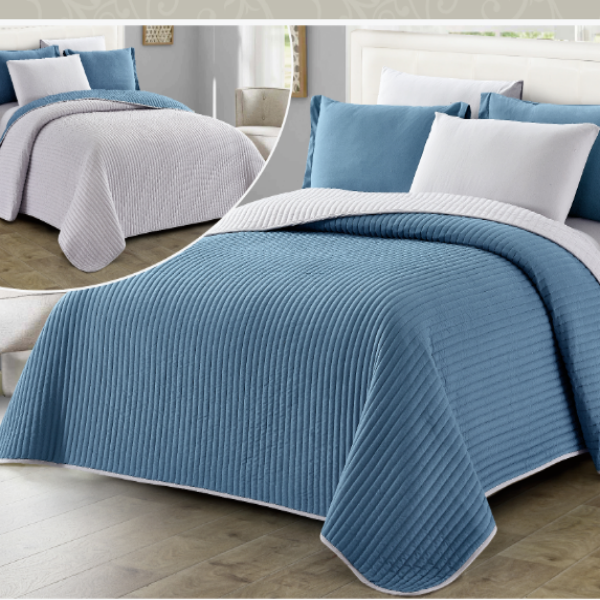
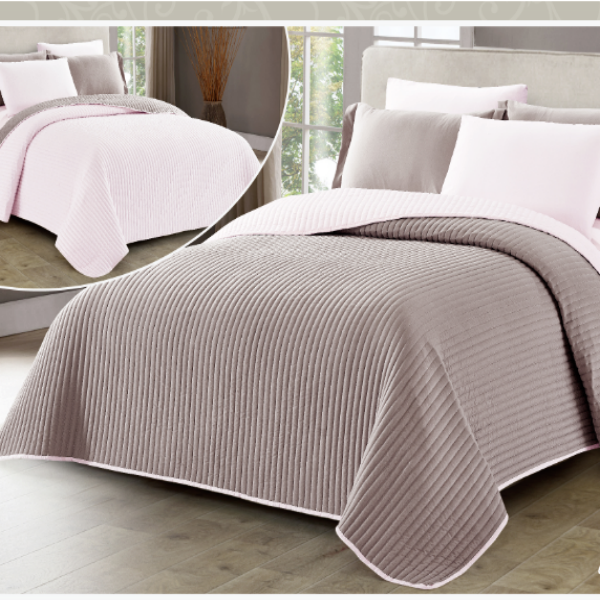
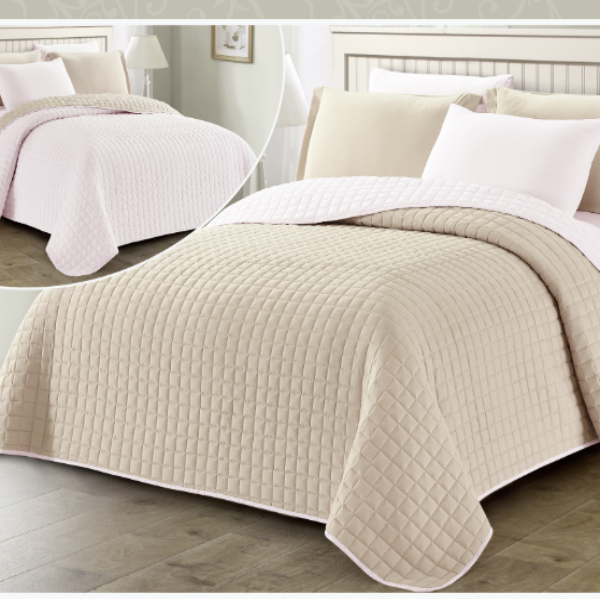
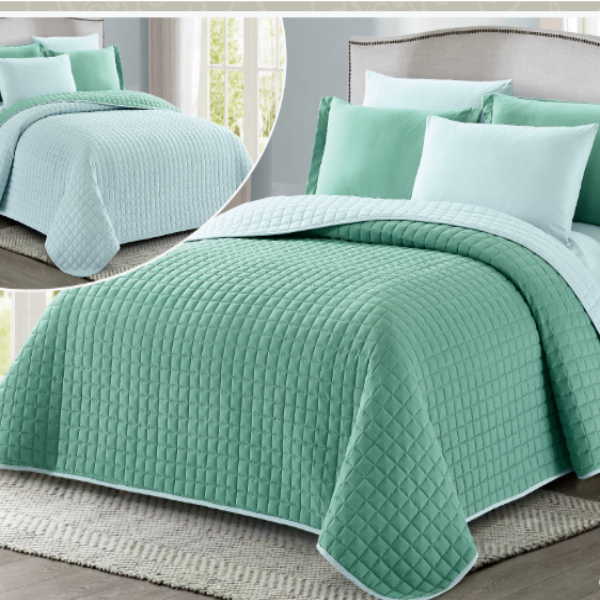
















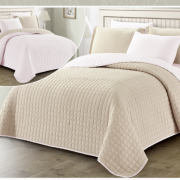
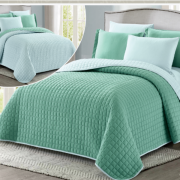

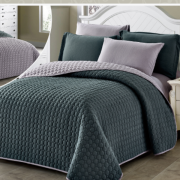




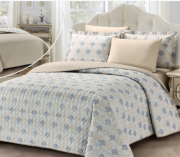















Bedspread Set:Design Authority, Scalable Simplicity, and the Discipline of 2000-Meter Production
A bedspread is not just bedding.
It is the first visual statement in a bedroom.
Before texture is touched.
Before comfort is experienced.
It defines proportion, mood, and hierarchy in a space.
Unlike sheets, which serve the body, a bedspread serves the room.
And because of this, the bedspread set occupies a different commercial position. It is not a seasonal impulse purchase. It is a visual anchor product.
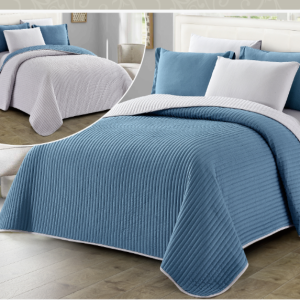
Which is precisely why it must be controlled — not expanded recklessly.
In today’s oversaturated home textile market, brands often fall into the illusion of variety. More colors. More prints. More limited editions.
But the bedspread category does not reward excess.
It rewards authority.
Authority begins with simplicity.
The Strategic Nature of a Bedspread
A bedspread covers the entire bed surface. Unlike duvets that may shift, or sheets that remain partially hidden, a bedspread is fully visible at all times.
Its surface area is large.
Its impact is immediate.
This scale changes everything.
When a product dominates visual space, variation multiplies risk.
A small color deviation in a pillowcase may go unnoticed.
A slight shade difference across a king-size bedspread becomes obvious instantly.
Therefore, production discipline is not optional. It is structural.
Why Single-Color Programs Win
Color fragmentation is the fastest way to weaken a bedspread collection.
Each new shade introduces:
A new dye calibration
A new approval cycle
A new inventory SKU
A new forecasting variable
But more importantly, multiple colors dilute brand identity.
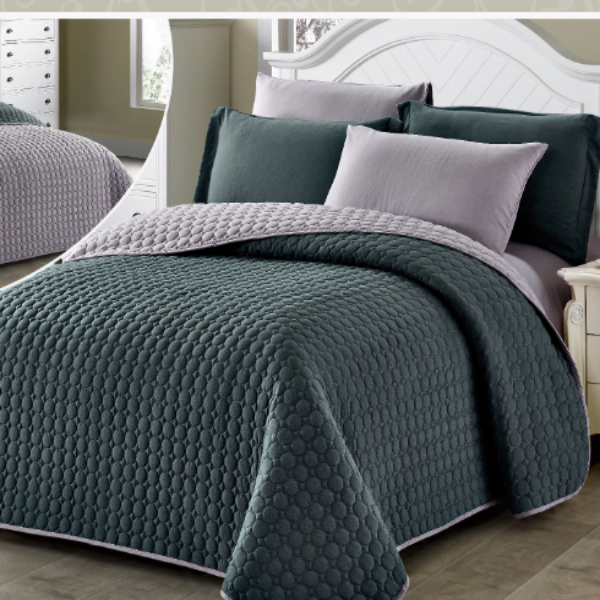
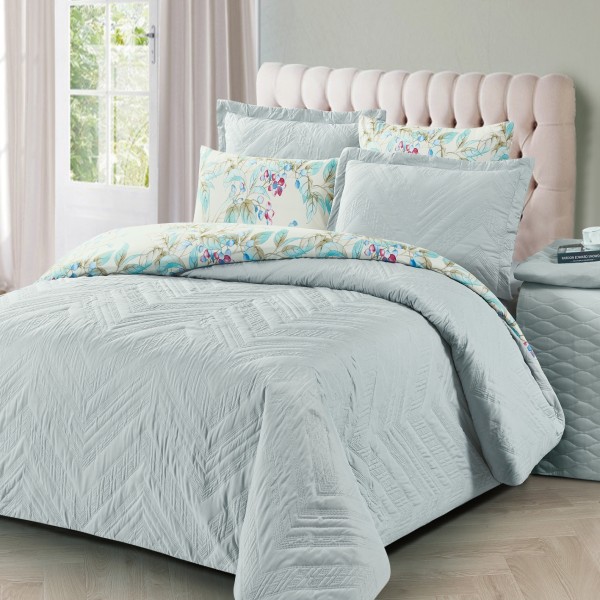
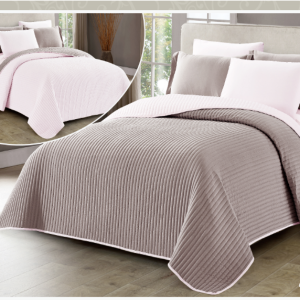
The strongest bedspread programs in the global market often rely on a signature tone:
Deep ivory
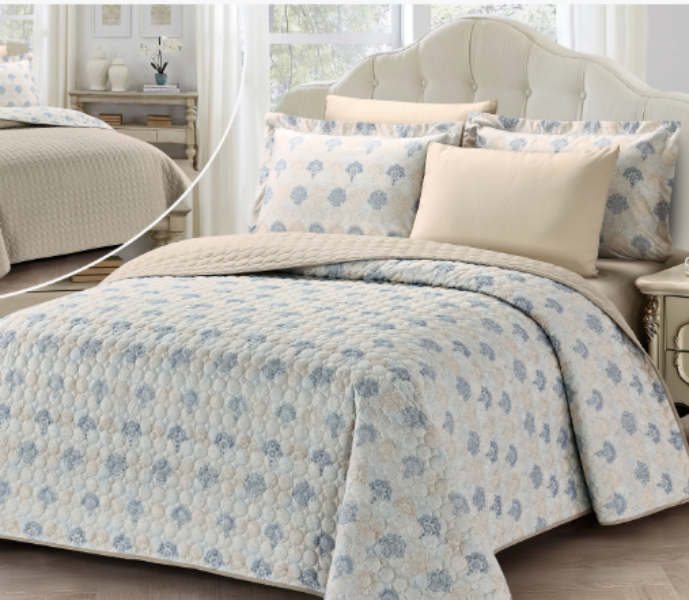
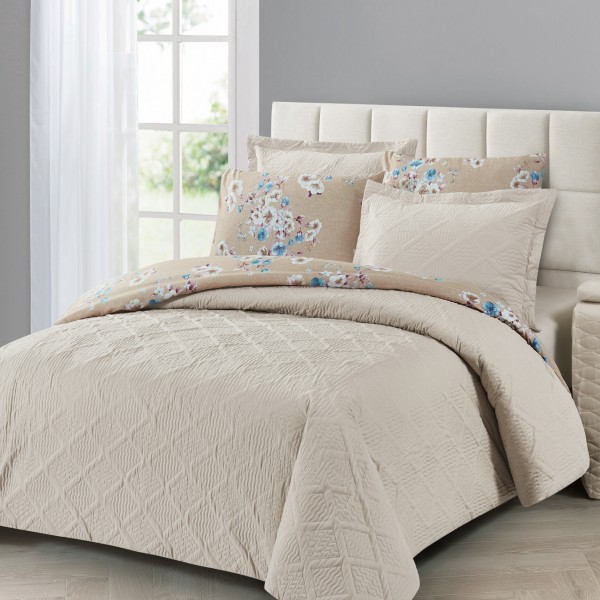
Warm taupe
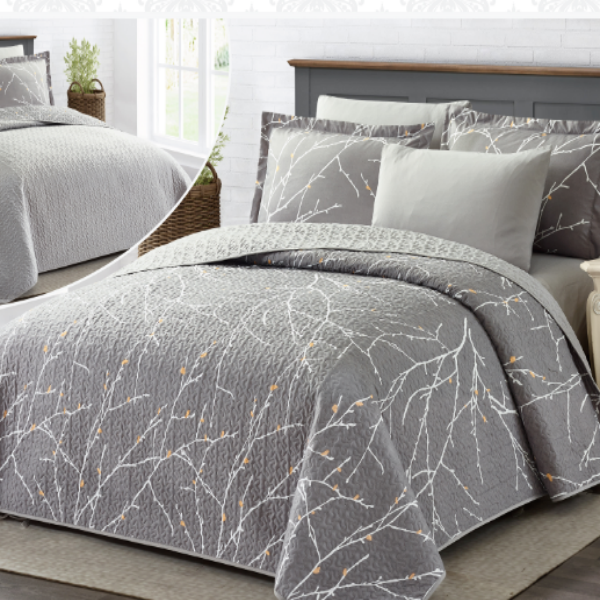
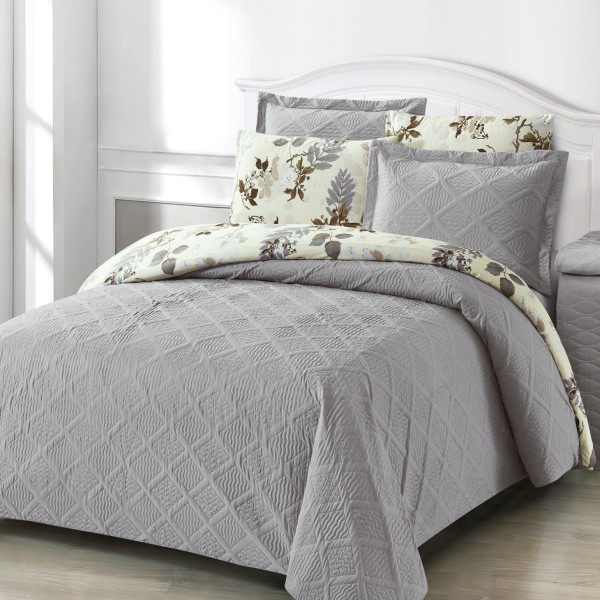
Architectural grey
Muted navy
Soft charcoal
One dominant color becomes recognizable. It builds repetition. It becomes associated with the brand.
When production concentrates on a single color per fabric — executed in a minimum 2000-meter run — quality stabilizes.
Shade matching improves.
Fabric finishing consistency improves.
Unit cost improves.
Color discipline creates visual confidence.
And confidence sells.
Single-Pattern Authority
A bedspread is not a canvas for chaotic experimentation.
Because of its large surface, bold multicolor prints can quickly overwhelm a room.
Sophisticated bedspread design relies on:
Texture over contrast
Structure over illustration
Depth over decoration
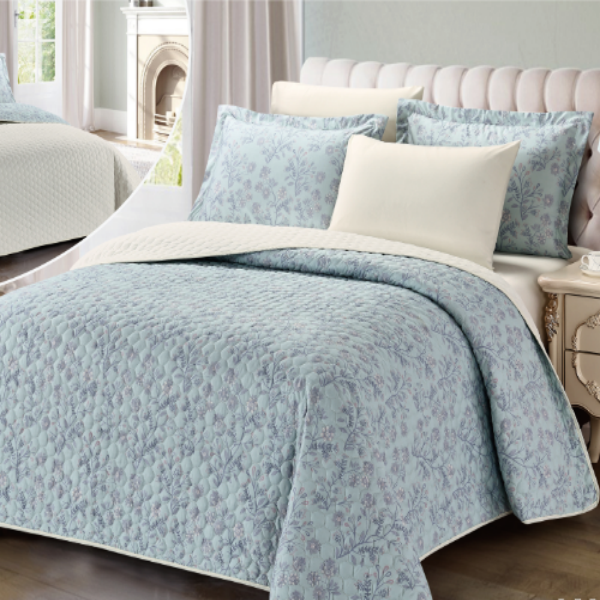
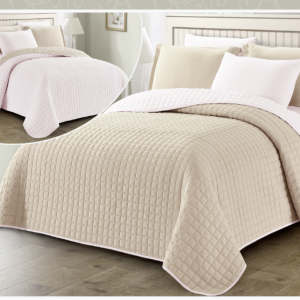
Quilted geometrics.
Subtle matelassé.
Low-relief botanical stitching.
Tone-on-tone jacquard.
One pattern. Repeated with precision.
A single-pattern program per 2000-meter production run ensures:
Weaving stability
Embossing alignment accuracy
Consistent quilting density
Predictable shrinkage behavior
Multiple pattern changes within small runs force machine recalibration, increasing defect rates and slowing output.
Bedspreads demand scale to achieve polish.
The 2000-Meter Requirement: Beyond Cost
Some buyers see 2000 meters as a negotiation point.
In reality, it is a quality threshold.
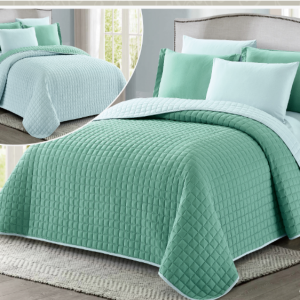
Bedspread fabrics are often heavier than standard sheet materials. They may include:
Jacquard structures
Pre-quilted constructions
Layered weaves
Decorative stitching grids
These structures require loom calibration and sometimes multi-layer alignment.
Short runs mean repeated setup.
Repeated setup increases variance.
At 2000 meters:
Loom tension stabilizes
Pattern registration settles
Fabric density becomes uniform
Inspection efficiency increases
Cost per meter decreases, yes — but more importantly, rejection rates decrease.
Consistency becomes measurable.
In large-surface products like bedspreads, consistency defines perceived luxury.
Inventory Intelligence
Retailers often underestimate how quickly bedspread SKUs multiply.
Three colors × three sizes × two pattern options = eighteen SKUs.
Eighteen SKUs for one category.
Each SKU carries:
Separate stock risk
Separate photography cost
Separate marketing allocation
Now imagine reducing that complexity.
One signature color.
One signature pattern.
Produced in a disciplined 2000-meter program.
The SKU count shrinks.

Marketing focus sharpens.
Reorders simplify.
Instead of spreading 600 meters across multiple shades, concentrate 2000 meters into a single strong identity.
Sell-through strengthens when demand is unified rather than divided.
Visual Stability in Retail
In physical retail environments, coherence drives perceived value.
When customers see a bed dressed in a refined, uninterrupted tone, the presentation feels elevated.
Too many competing prints in adjacent displays create visual noise.
Online, the same principle applies. Clean product pages outperform crowded assortments.
A bedspread set benefits from repetition.
Repetition builds recognition.
Recognition builds trust.
Trust converts.
Production Efficiency and Margin Protection
Heavyweight decorative fabrics consume more energy in weaving and finishing.
Dye baths are larger.
Drying cycles are longer.
Quilting machines require recalibration when thickness changes.
Every interruption in production increases:
Waste material
Labor downtime
Machine adjustment cost

A 2000-meter minimum run transforms production from fragmented to continuous.
Continuous production reduces:
Thread breakage frequency
Edge distortion
Padding inconsistency
Color migration variation
Efficiency protects margin.
Margin protects brand sustainability.
The Psychology of Restraint
Luxury does not shout. It repeats with precision.
A bedspread set designed in one controlled palette signals confidence. It does not chase seasonal noise.
Consumers today are increasingly drawn to permanence.
They want products that:
Coordinate easily
Remain relevant across years
Age gracefully
A stable bedspread collection, anchored in a single tone and one structural pattern, aligns perfectly with this desire.
Excessive variation feels temporary.
Stability feels intentional.
Long-Term Supplier Relationships
Mills prioritize stability.
A brand committing to structured 2000-meter programs gains production priority.
During peak seasons or capacity shortages, suppliers favor predictable partners.
Fragmented buyers face delays.
Consistency in order volume builds leverage.
Leverage secures timelines.
Timeline security strengthens retail planning.
Operational clarity becomes competitive advantage.
Durability and Product Integrity

Because bedspreads experience surface friction — from sitting, folding, decorative layering — structural integrity matters.
Uniform stitching density across 2000 meters ensures:
Even quilting compression
Balanced drape
Consistent GSM
Reduced seam stress
Small-batch inconsistencies become amplified across large surfaces.
Scale smooths irregularities.
Large products require large discipline.
Sustainability Through Focus
Overproduction often stems from overextension.
Multiple colors that fail to sell become discounted inventory.
A single strong SKU reduces overforecasting.
Continuous 2000-meter runs minimize fabric remnants and machine recalibration waste.
Operational efficiency supports environmental responsibility.
Sustainability is not only fiber choice.
It is decision discipline.
Brand Legacy Over Seasonal Experimentation
Bedspreads should not behave like fast fashion.
They are foundational pieces.
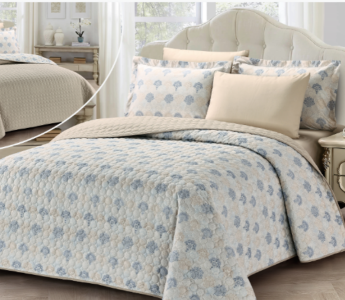
When a brand builds a bedspread identity — one recognizable tone, one signature structure — it creates long-term memory in the consumer mind.
The product becomes part of the brand language.
Consistency across years strengthens equity.
Fragmentation weakens it.
Conclusion
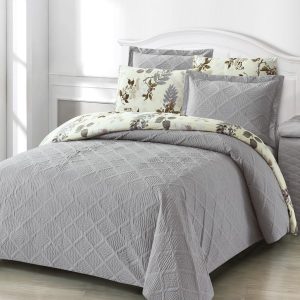
A bedspread set is a visual authority piece.
Its scale magnifies both excellence and error.
To succeed in this category requires discipline:
One dominant color.
One refined pattern.
A minimum 2000-meter production commitment per fabric.
This approach delivers:
Production stability
Cost efficiency
Inventory clarity
Brand recognition
Retail coherence
In a marketplace addicted to variety, focus becomes differentiation.
When executed with restraint and scale, a bedspread set is not merely decorative.
It becomes a signature.
And signatures are not rewritten every season.
They are repeated — precisely, confidently, and at scale.


















Reviews
There are no reviews yet.