
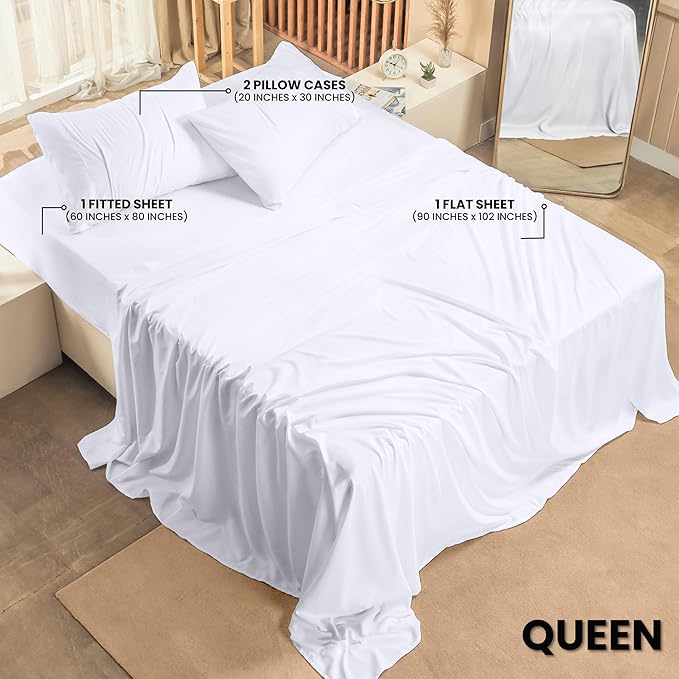
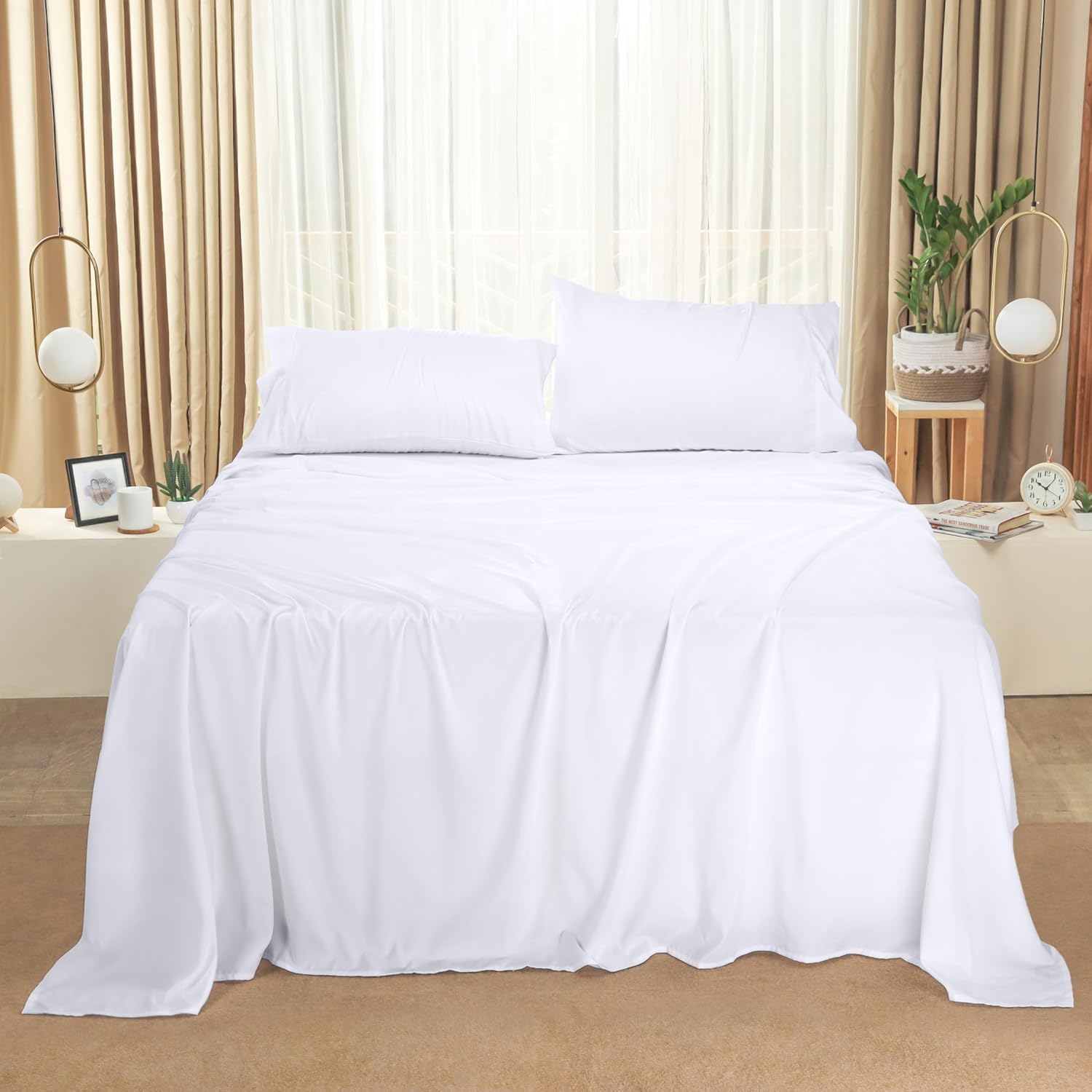
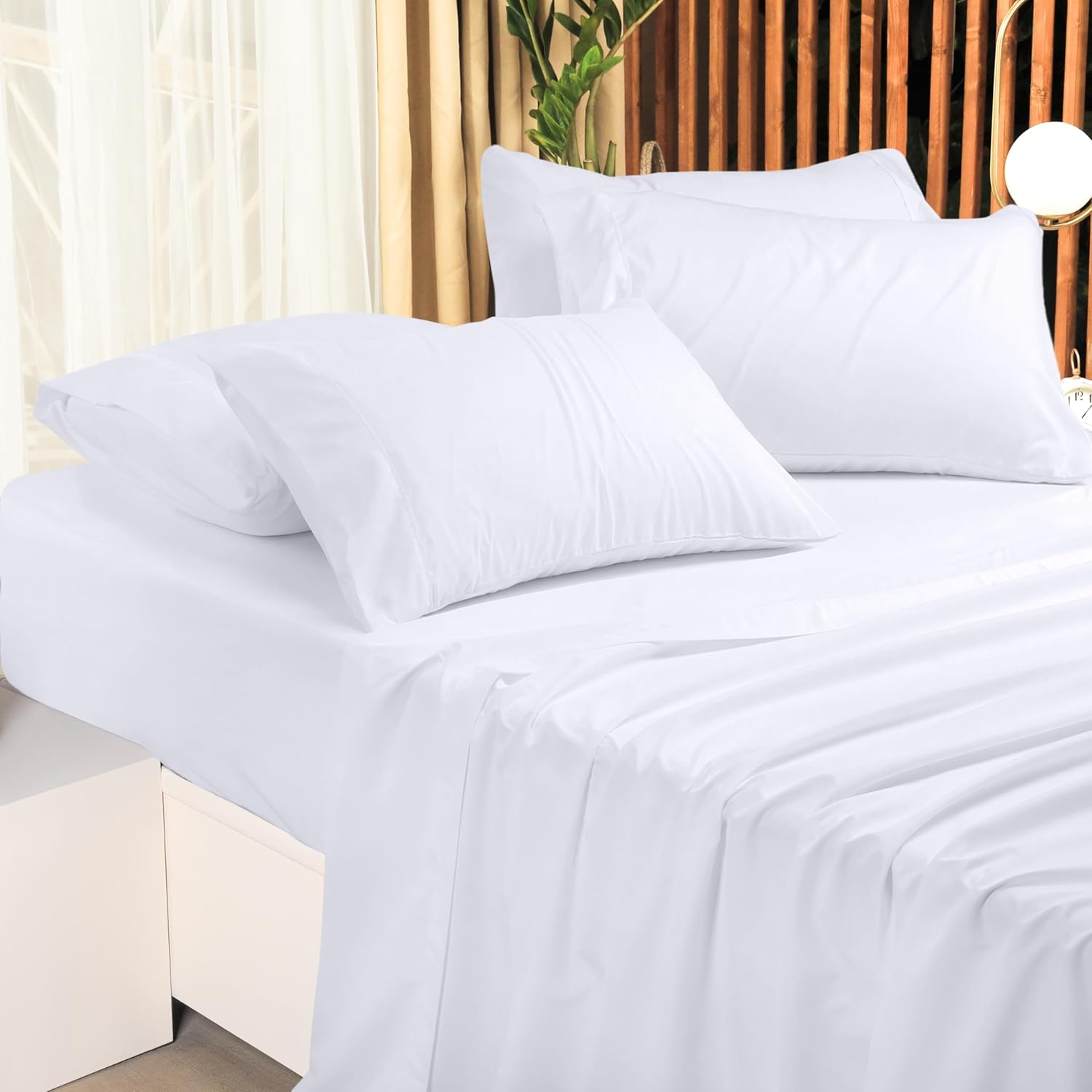
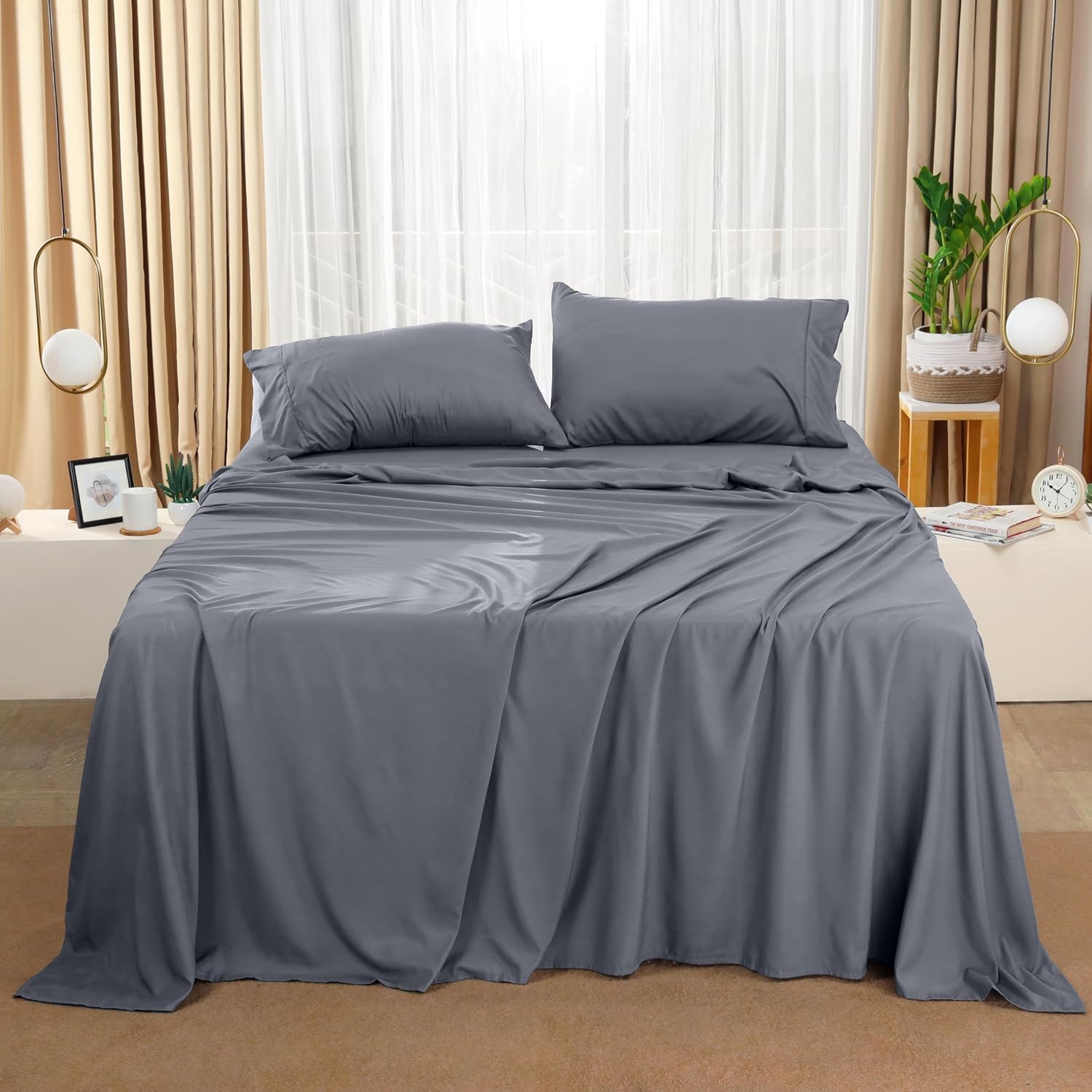
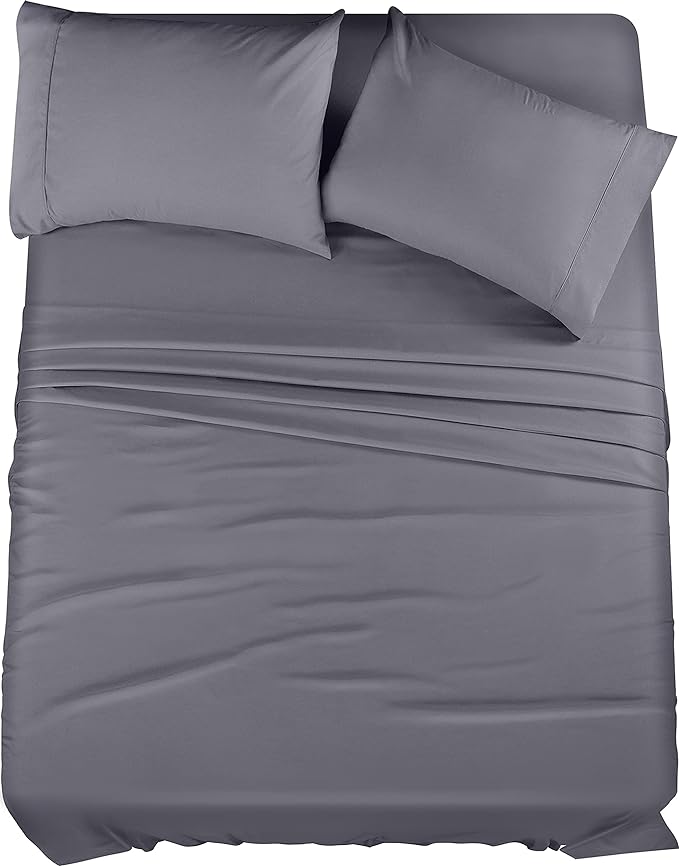
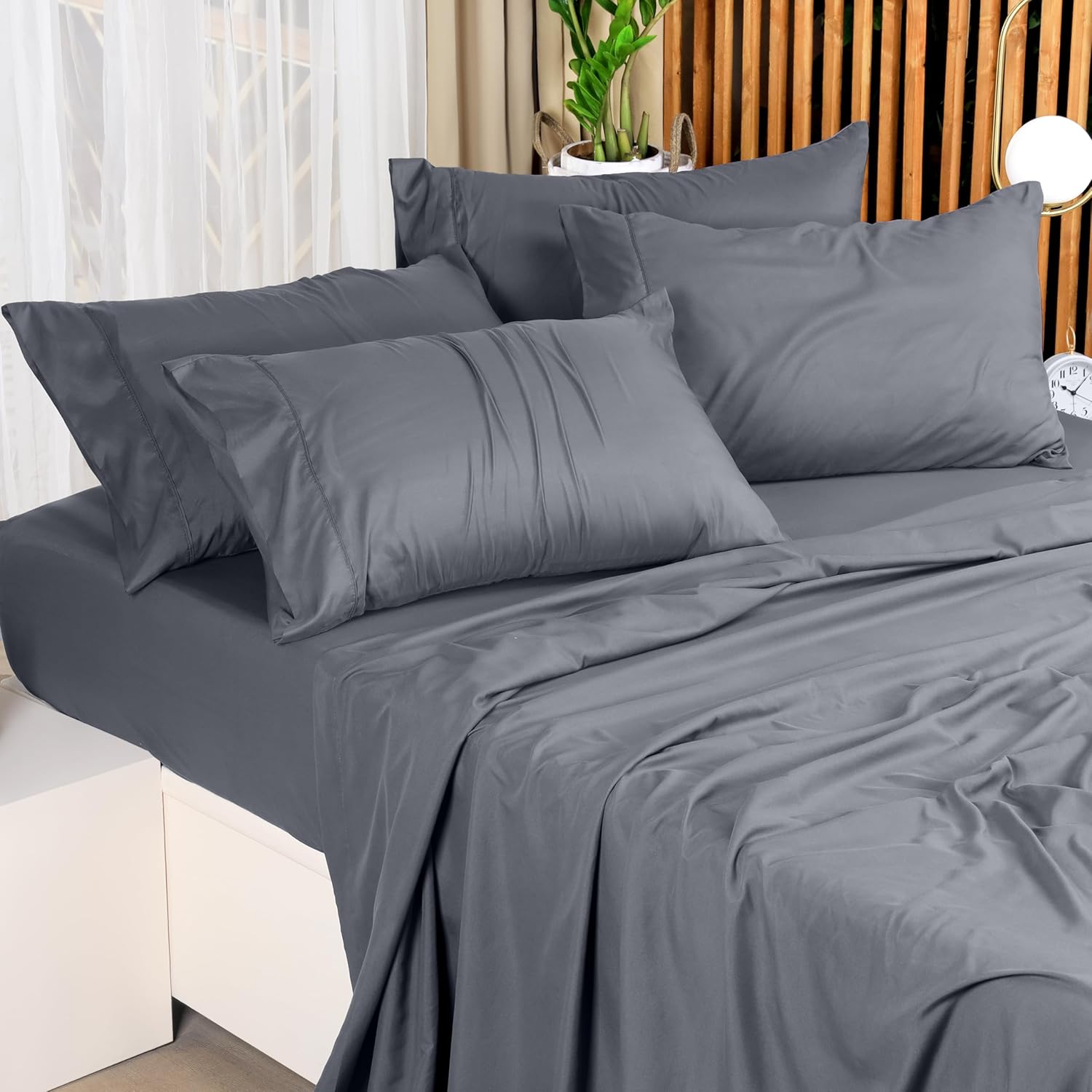
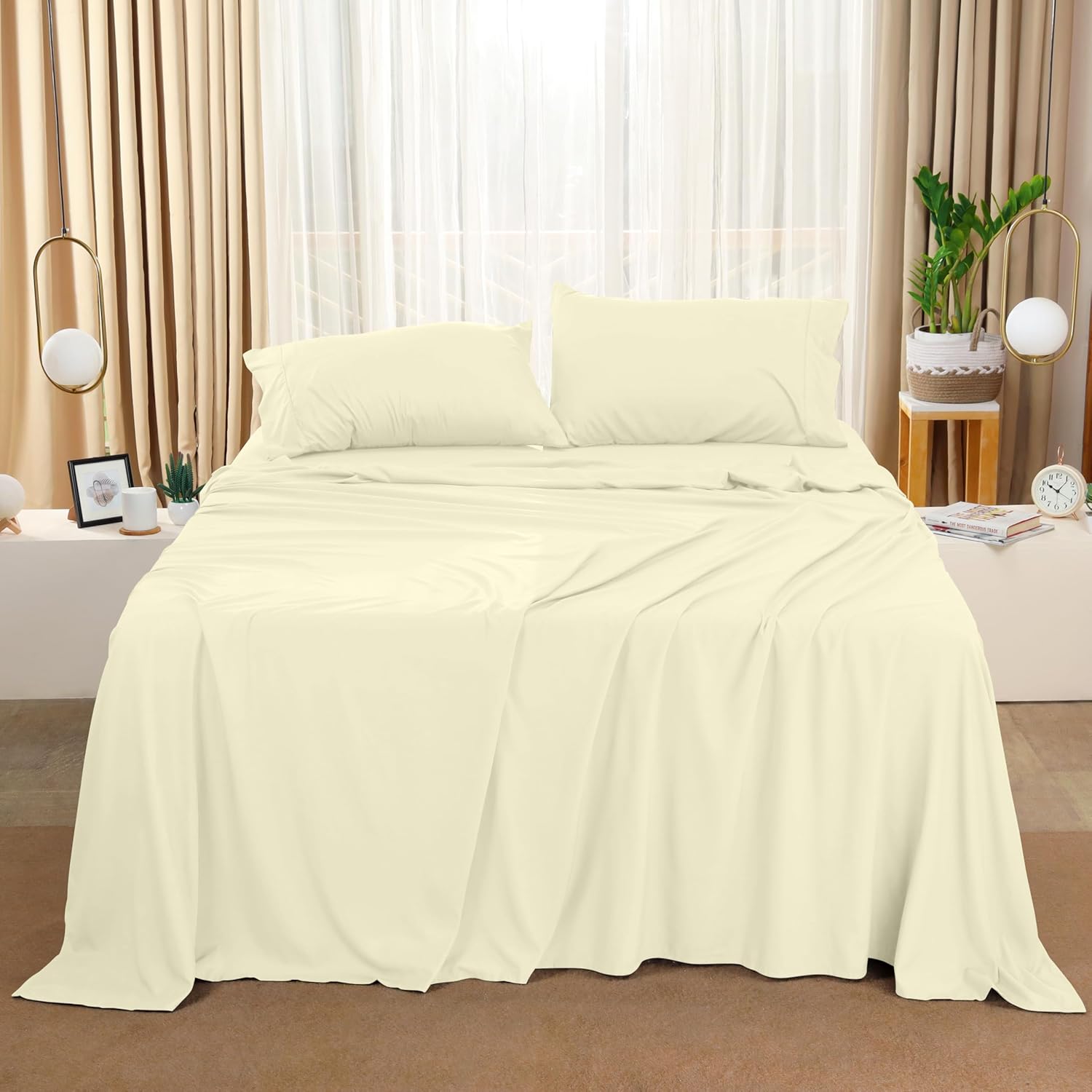
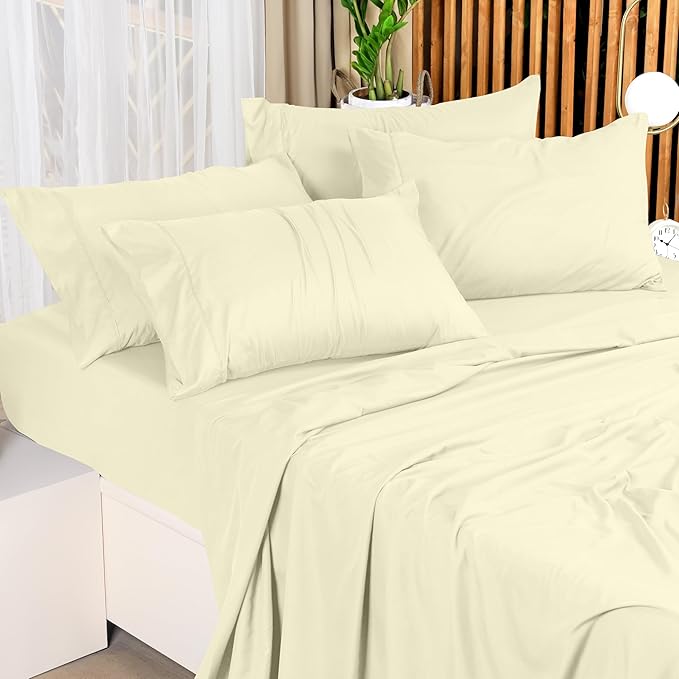
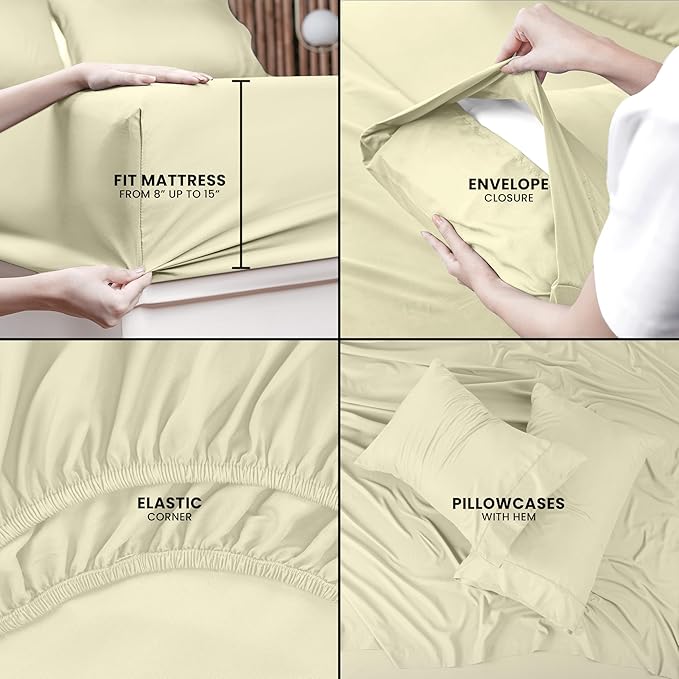
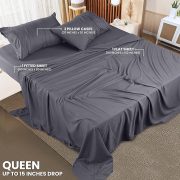
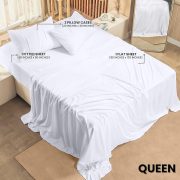
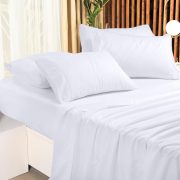
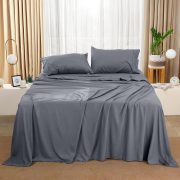
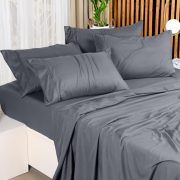
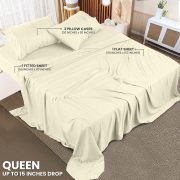
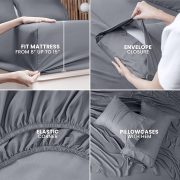
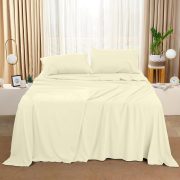
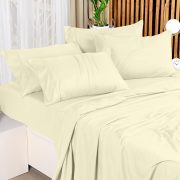
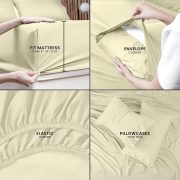
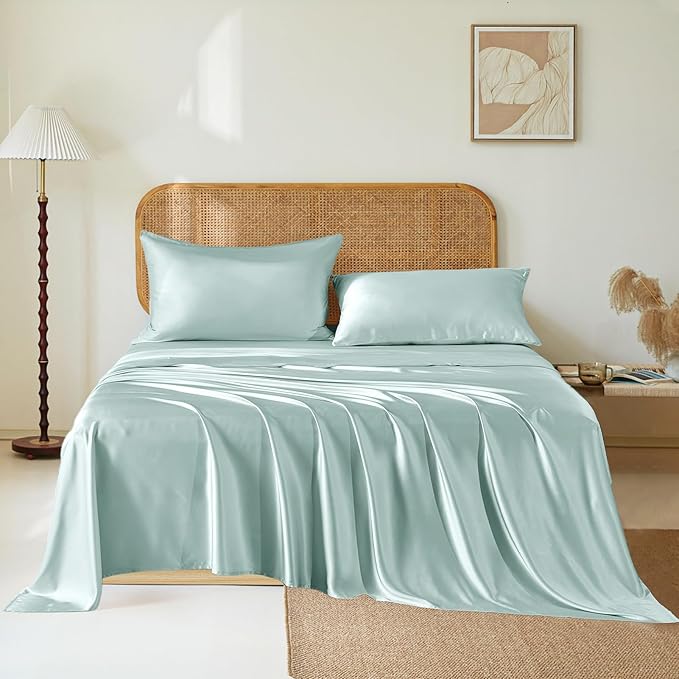
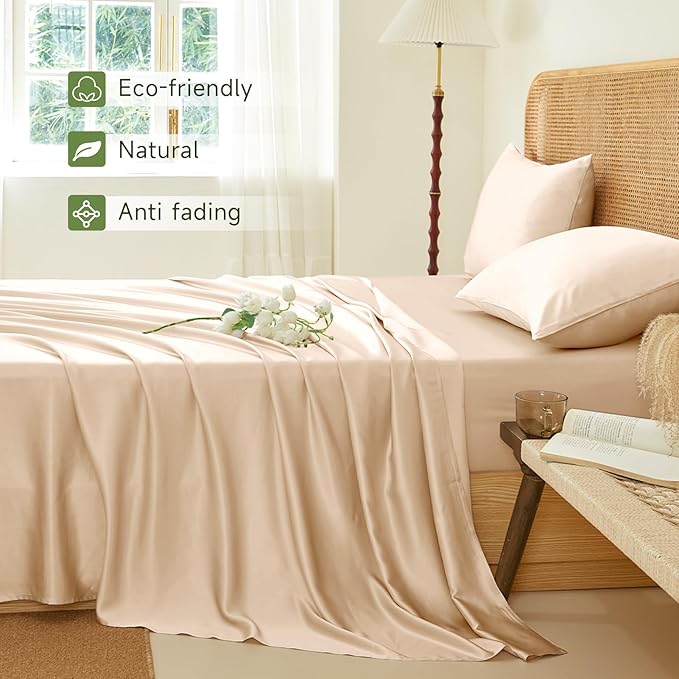
Copper-Infused Antibacterial Microfiber Sheet Set:
A Strategic Buying Perspective for Modern Bedding Programs
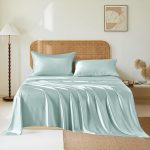
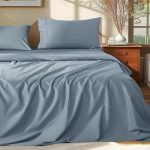
In today’s bedding market, microfiber is not a niche category. It is a volume engine. Across major U.S. and European platforms, microfiber bed sheets consistently rank among the highest-selling products. Consumers recognize them as affordable, soft, easy to maintain, and widely available in every color imaginable.
Yet from a procurement standpoint, microfiber has become heavily saturated. The challenge is no longer how to source a microfiber sheet set. The challenge is how to differentiate one in a field crowded with nearly identical offerings.
Well-known names such as Mellanni bed sheet set, Sonoro Kate sheets, Shilucheng sheets, and Charisma microfiber sheets dominate online visibility. They compete aggressively on softness, price, and review count. When shoppers search for best microfiber sheets, most listings promise “ultra-soft,” “hotel luxury,” or “wrinkle-free comfort.” Very few present a meaningful technical distinction.
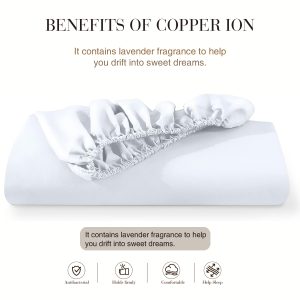
This is where copper-infused antibacterial microfiber sheet sets create a commercial opportunity. Not as a gimmick, but as a structured upgrade within an established high-volume category.
Understanding the Base Fabric
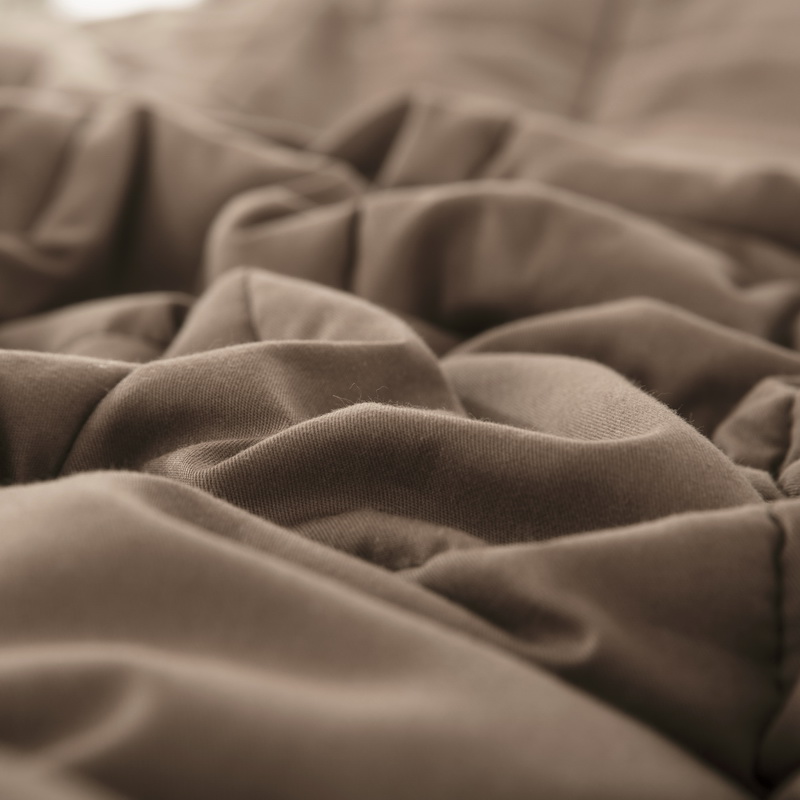
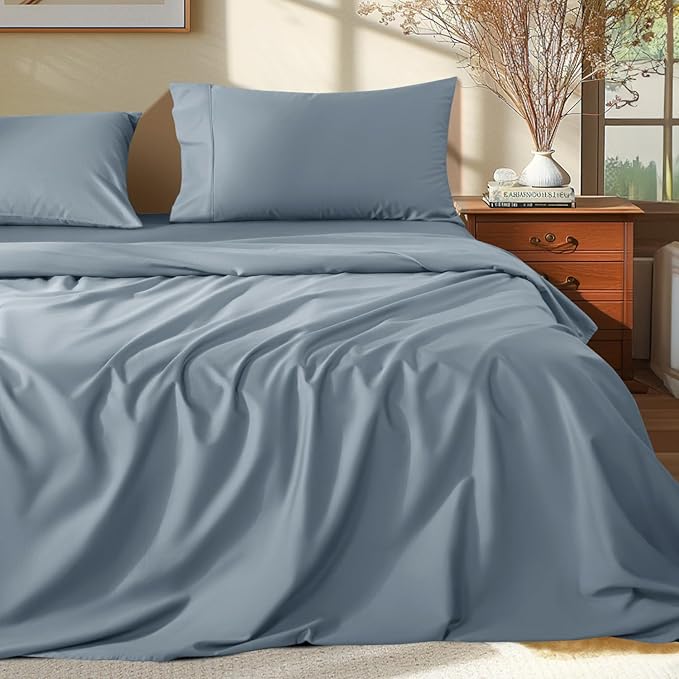
Most microfiber bedding today is made from 100 polyester microfiber sheets. The fiber is extremely fine, lightweight, and suitable for brushing. Brushed microfiber sheets achieve their signature softness by mechanically lifting surface fibers. This creates a suede-like hand feel that consumers often prefer over traditional cotton percale.
Because microfiber is synthetic, it offers inherent advantages such as wrinkle resistance, strong color retention, and quick drying. These features explain why microfiber queen sheets and microfiber king sheets continue to dominate online marketplaces.
However, the low barrier to entry also means minimal differentiation. A microfiber sheet set from one seller often performs similarly to another, especially in the entry-level price range.
Commodity softness alone is no longer enough to sustain margin.
Why Copper Changes the Conversation
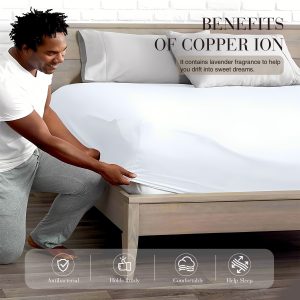
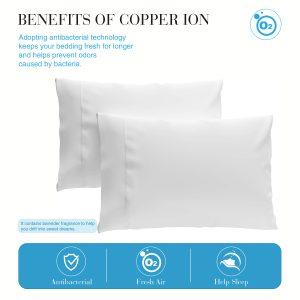
Copper has long been recognized for its antimicrobial properties. When integrated directly into the fiber during extrusion, copper particles become part of the polymer structure. This is fundamentally different from surface sprays or temporary finishes.
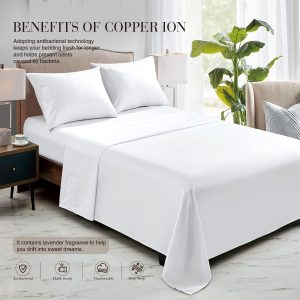
For buyers evaluating copper-infused microfiber bedding, the technical method of integration matters. True performance requires copper to be embedded at the fiber stage, not simply applied after weaving.
When engineered correctly, copper-infused microfiber bedding offers odor control support and inhibits bacterial growth within the fabric structure. This feature is especially appealing in environments where sheets are frequently washed and reused.
The result is a microfiber bedding set that retains the softness and affordability consumers expect, while adding a functional story that standard polyester microfiber sheets cannot claim.
Positioning Within the Market
Microfiber competes primarily in the accessible and mid-tier segments. It is rarely positioned as luxury in the way silk or high-thread-count cotton might be. Instead, it wins on value, convenience, and color diversity.
Copper infusion allows microfiber to move slightly upward without abandoning its core strengths.
Consumers who search for best microfiber sheets are often looking for durability and comfort at a reasonable price. By introducing antibacterial technology, brands can speak to hygiene-conscious households, college dormitories, Airbnb operators, and pet owners.
This positioning is particularly effective when compared to categories such as micro flannel sheets or microfiber fleece sheets. Those heavier constructions serve cold-weather needs. Copper-infused microfiber, by contrast, remains lightweight and suitable for year-round use.
It should also be distinguished from queen microfleece sheets, which target warmth rather than hygiene performance.
Competitive Landscape
When reviewing top-selling microfiber bedding sets, several patterns appear.
Mellanni bed sheet set focuses on scale, review volume, and price stability. Sonoro Kate sheets lean heavily into bundled value. Shilucheng sheets emphasize softness marketing. Charisma microfiber sheets benefit from brand familiarity in certain retail channels.
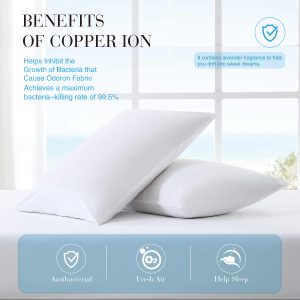
All of them rely primarily on brushing quality and pocket depth as their key selling points.
None of them strongly dominate antimicrobial positioning.
This gap provides space for copper-infused microfiber to establish a unique narrative.
Rather than competing directly on price compression, a copper-treated microfiber sheet set competes on added functionality.
Fabric Construction and Performance
Copper-infused microfiber sheets are typically produced in the ninety to one hundred ten GSM range. This maintains breathability and lightweight drape while ensuring adequate durability.
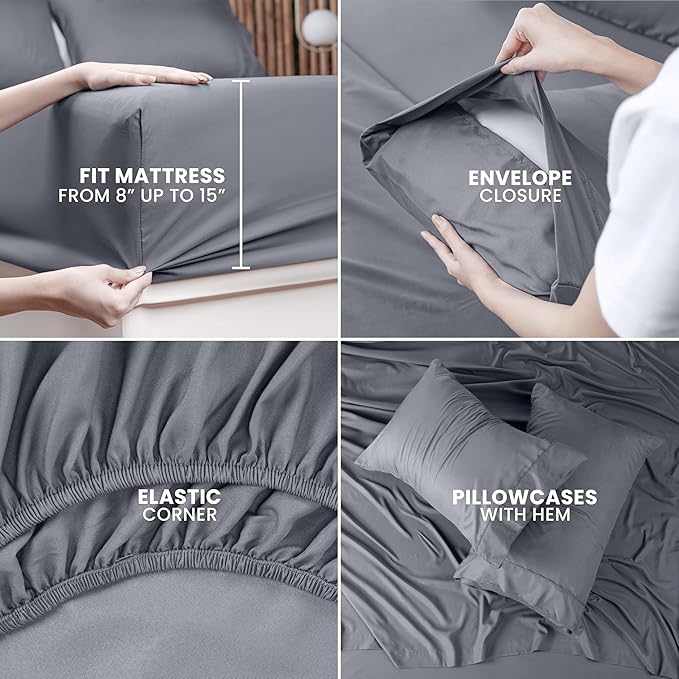
The fabric is usually double brushed to preserve the softness expected from brushed microfiber sheets. High-quality filament yarn reduces pilling risk and improves long-term appearance.
Compared to microfiber fleece sheets or micro flannel sheets, copper microfiber remains thinner and more versatile.
Durability testing should confirm resistance to pilling, color fastness after repeated washing, and retention of copper functionality over multiple laundry cycles.
From a buyer’s perspective, wash performance is critical. Claims without lab validation undermine long-term credibility.
Size Architecture and Inventory Discipline
Core size planning remains straightforward.
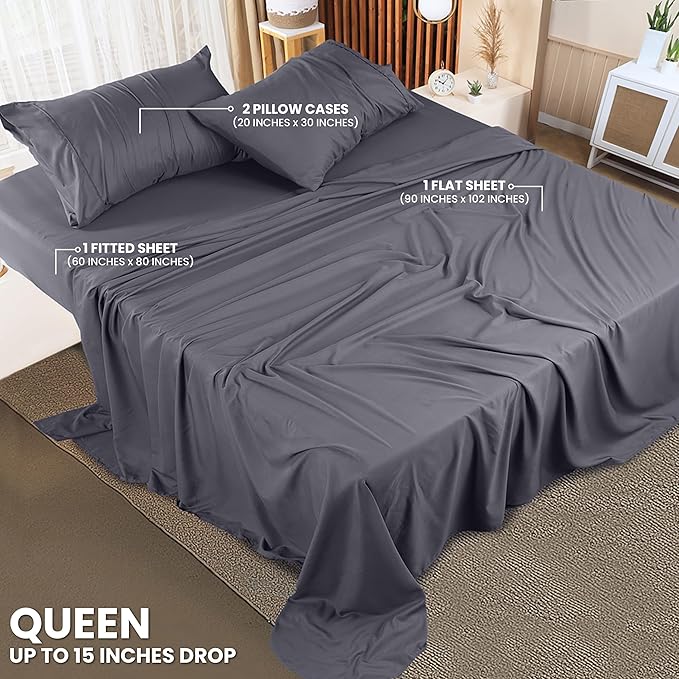
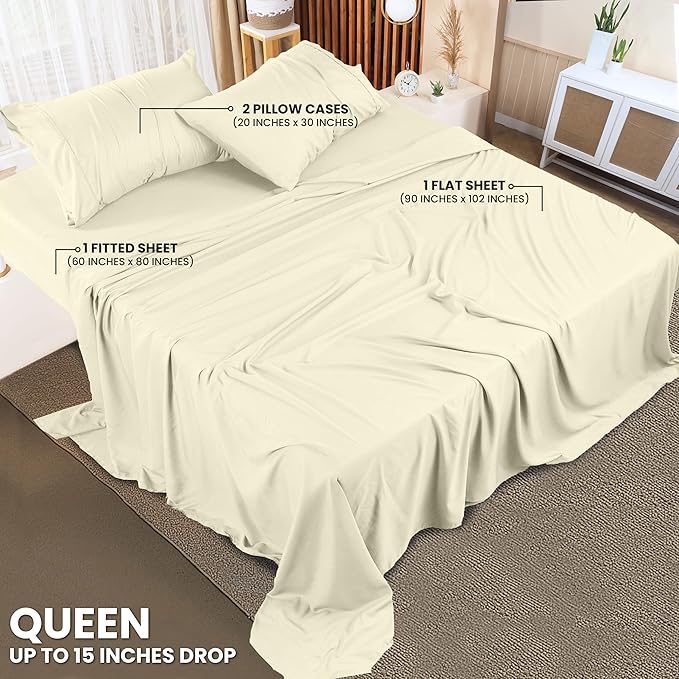
Microfiber queen sheets typically represent the highest sales volume, followed by microfiber king sheets. Full and twin sizes complete the range.
Because microfiber fabric is lightweight, raw material cost differences between queen and king remain manageable. This makes microfiber king sheets commercially viable even in competitive pricing environments.
Seasonal extensions such as microfiber Christmas sheets may be introduced after core colors stabilize. However, antibacterial programs should begin with classic shades to reinforce seriousness and functionality.
Color Strategy
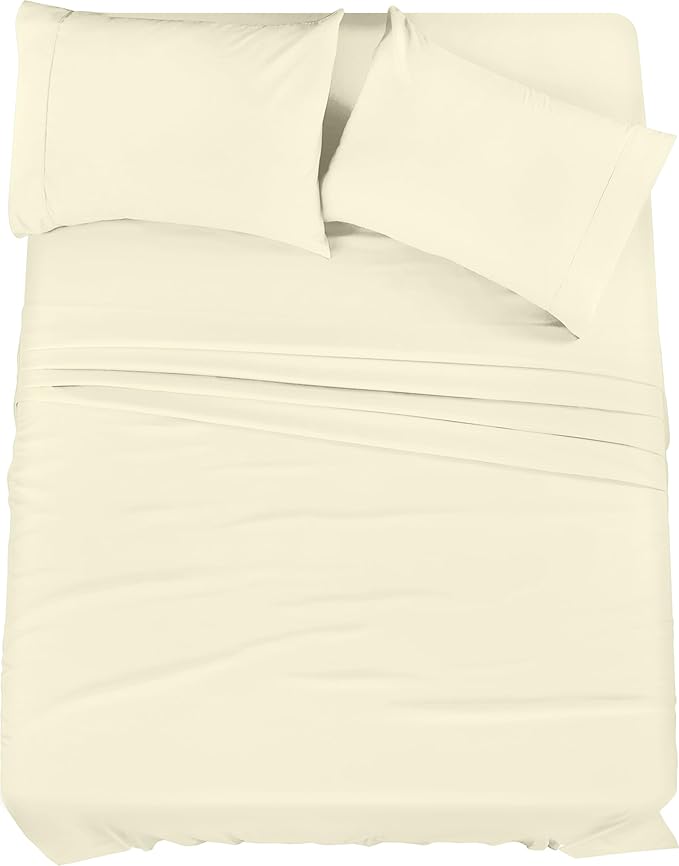
Microfiber accepts dye extremely well, producing deep saturation and consistent results.
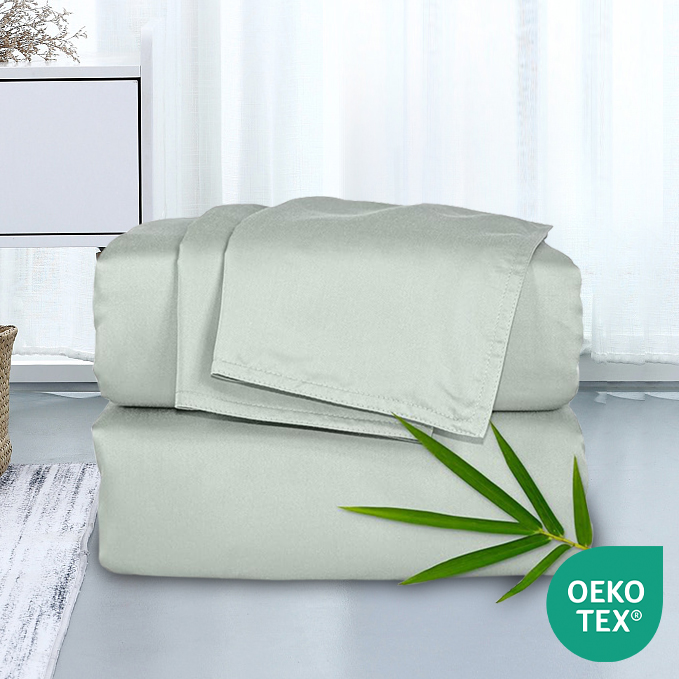
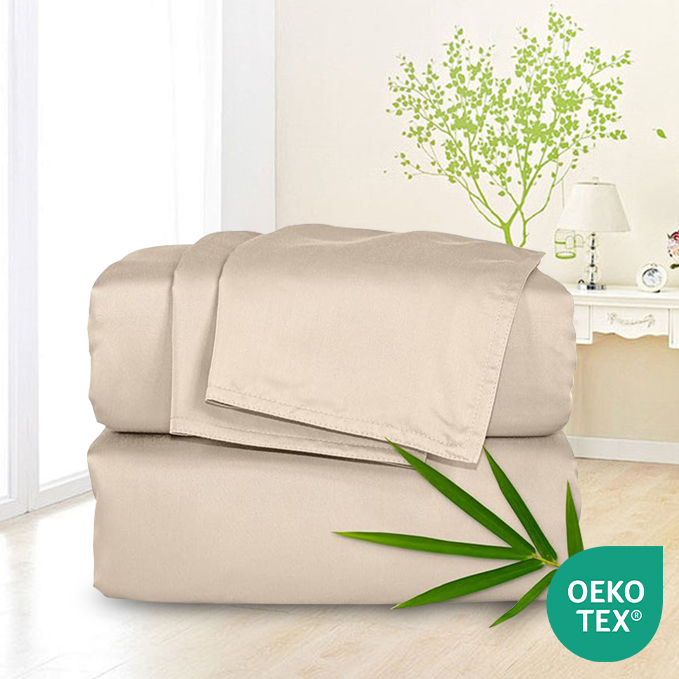
Core colors often include white, grey, navy, and black. Darker shades, such as black versions, compete visually with searches that might otherwise lead shoppers toward black satin bed sheets. The difference lies in material performance and maintenance ease.
Seasonal tones can expand the assortment, but excessive color proliferation increases inventory complexity without necessarily increasing sell-through.
Copper integration must not interfere with dye consistency. Testing and sampling should confirm color stability before full production commitment.
Regulatory Considerations
Antimicrobial claims require careful wording.
In the United States, overly aggressive health claims may attract regulatory scrutiny. Safe phrasing focuses on odor control support and bacterial growth inhibition within the fabric itself.
The product is not positioned as medical or therapeutic. It is positioned as functional bedding.
Clear labeling protects both brand and distributor.
Comparisons to Other Categories
Consumers often compare synthetic and natural fabrics. Some may even weigh options such as silk versus microfiber, or search broadly for microfiber bedding while considering other materials.
Copper-infused microfiber should not attempt to imitate silk or premium cotton narratives. Instead, it should own its practical strengths: durability, easy care, affordability, and functional enhancement.
Within the synthetic family, it offers more technical value than standard one hundred percent polyester microfiber sheets.
Portfolio Strategy
In a balanced bedding assortment, copper-infused microfiber plays a strategic role.
Luxury tiers may feature silk or long-staple cotton. Mid-performance tiers may include Tencel blends or bamboo viscose. Microfiber anchors the accessible segment.
By upgrading microfiber with copper, buyers can protect margin while maintaining volume.
This approach reduces direct price competition with established commodity leaders such as Mellanni bed sheet set or Sonoro Kate sheets.
Risk Management
There are real risks if execution is poor.
Surface-applied copper treatments that wash out quickly damage credibility. Overstated antibacterial claims invite regulatory issues. Low-grade filament yarn increases pilling and shortens product lifespan.
Thorough supplier evaluation and third-party testing mitigate these risks.
Long-Term Commercial Outlook
Microfiber bedding sets are not declining. They continue to dominate entry and mid-tier segments because they deliver reliable comfort at scale.
Copper infusion represents a practical evolution rather than a radical reinvention.
For mature procurement teams, the decision is not whether microfiber has demand. It clearly does.
The decision is whether to participate in a race to the bottom, or to introduce structured innovation that justifies a stronger retail position.
Copper-infused antibacterial microfiber sheet sets provide that opportunity.
They maintain the softness consumers expect from brushed microfiber sheets. They compete directly with leading brands such as Shilucheng sheets and Charisma microfiber sheets on comfort. Yet they add a performance narrative that commodity listings lack.
In a marketplace saturated with similar microfiber queen sheets and microfiber king sheets, differentiation does not require abandoning the category.
It requires refining it.
When engineered responsibly and positioned strategically, copper-infused microfiber bedding becomes more than another soft sheet set. It becomes a commercially intelligent response to an oversaturated but still highly profitable market segment.
Reviews
There are no reviews yet.