

Craft Blanket Sourcing with Confidence
How Our Nantong Factory Helps Overseas Buyers Turn Decorative Blanket Ideas into Reliable Market Products
In today’s home textile market, a blanket is no longer just a practical layer for warmth. It has become part of interior styling, gifting culture, seasonal merchandising, and lifestyle branding. That is especially true for craft blankets, a category that combines comfort with decorative detailing, surface design, embossing, edging, texture, and visual identity. For many overseas buyers, craft blankets are no longer simple bedding accessories. They are value-added products that help brands stand out in a crowded market.
But buyers who have worked in this category already know that craft blankets are not easy to source well.
A standard plain blanket may depend mainly on softness and price. A craft blanket depends on much more. Fabric quality, pattern clarity, embossing consistency, decorative edge finishing, lace application, stitch stability, color presentation, and final drape all affect whether the product feels premium or disappointing. In export business, where one weak detail can lead to claims, slow sell-through, or brand damage, these issues matter a great deal.
That is why many overseas buyers are now looking beyond simple low-price sourcing. They want a factory that understands product execution at a deeper level. They want a supplier that can turn a decorative concept into a stable, commercially successful production program.
That is exactly where our Nantong factory creates value.
We believe that what concerns the buyer should be managed by the factory first. If your market cares about touch, appearance, wash durability, design precision, packaging, and repeat order consistency, then those same concerns must guide our development and manufacturing process from day one. That is how we approach craft blanket production.
Why Craft Blankets Are a Stronger Category Than Ever
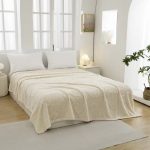
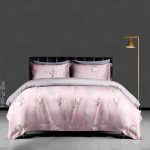
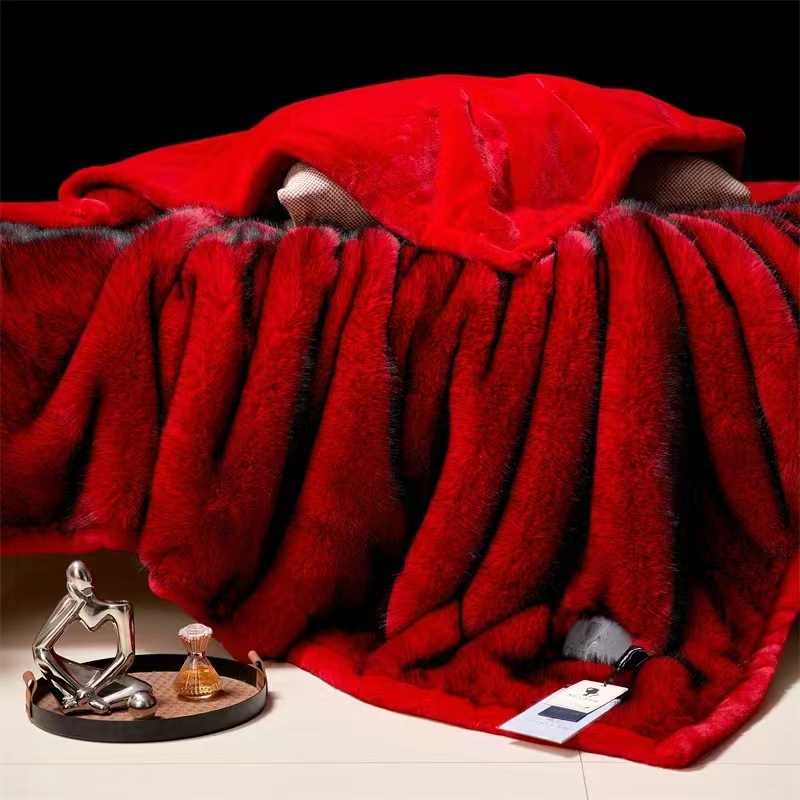
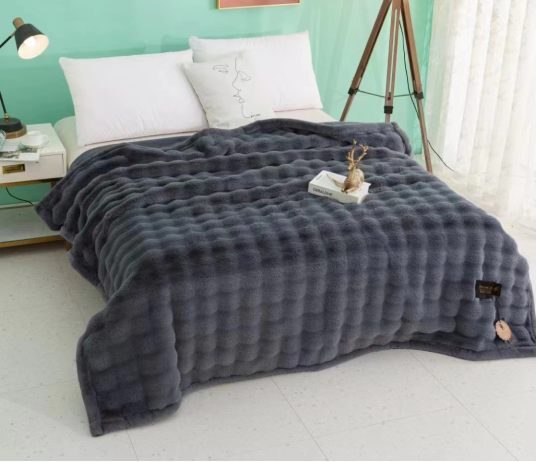
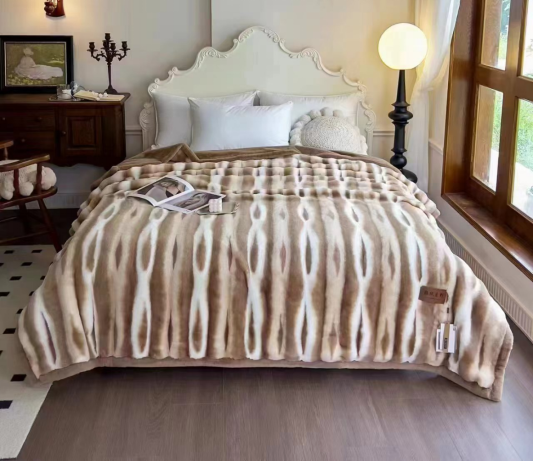
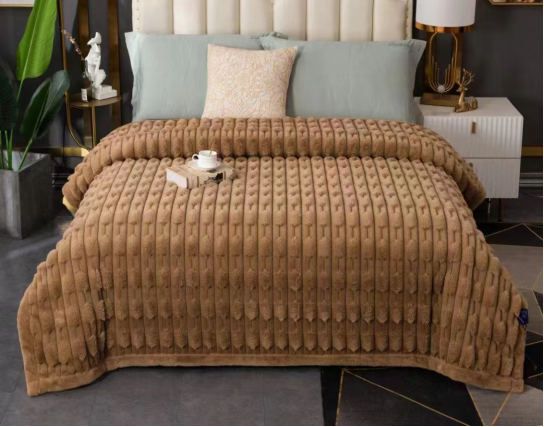
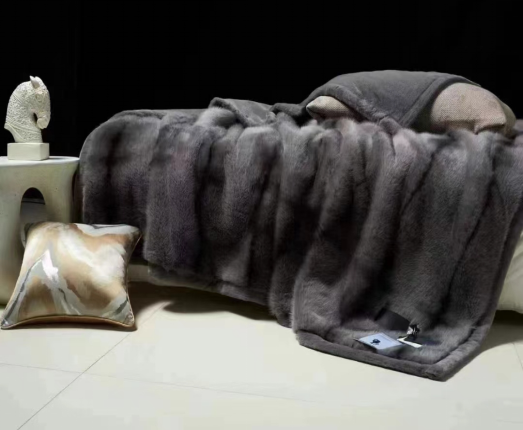
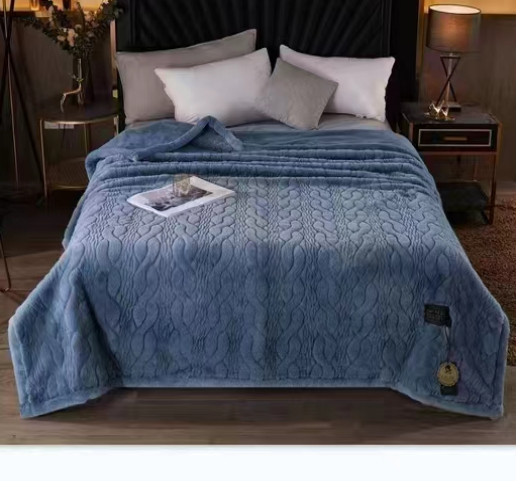
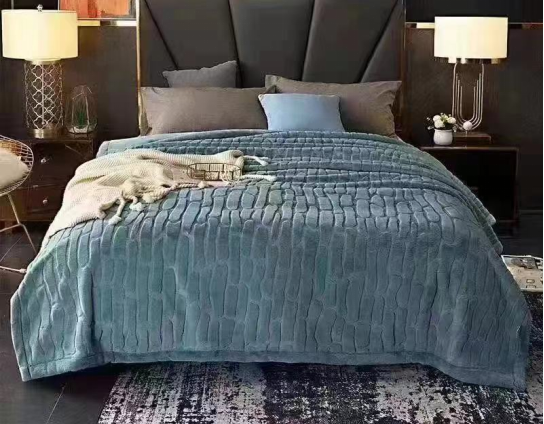
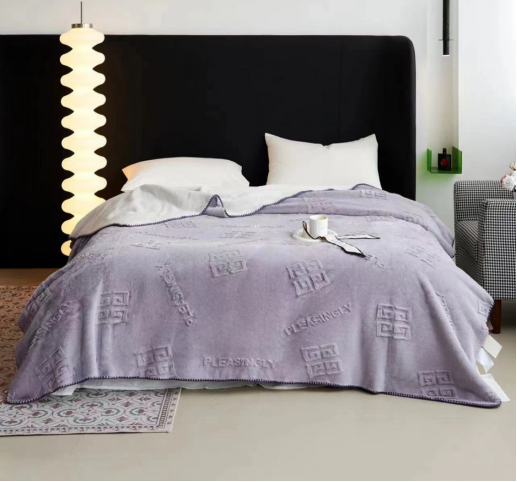
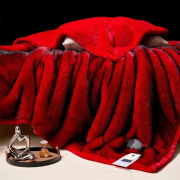
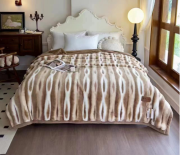
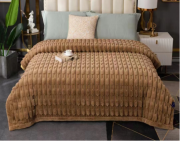
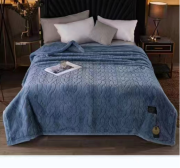
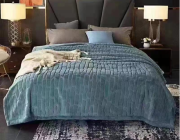
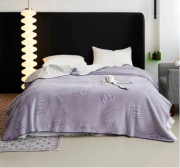
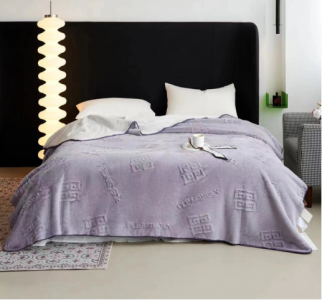
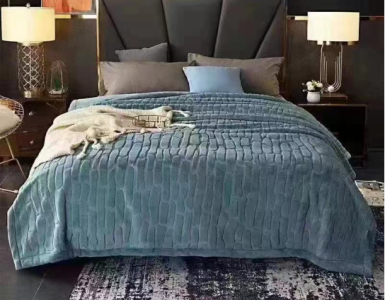
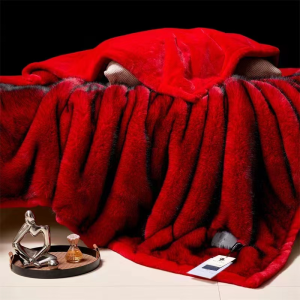
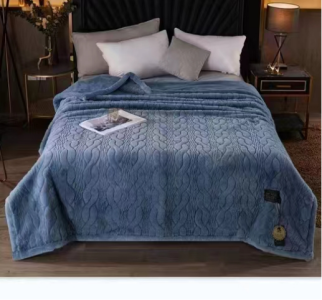
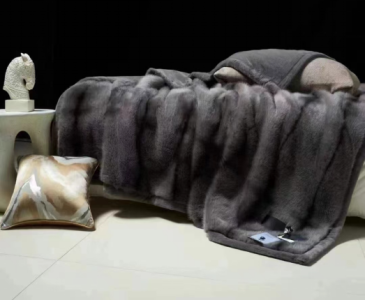
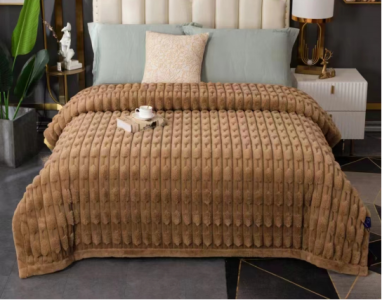
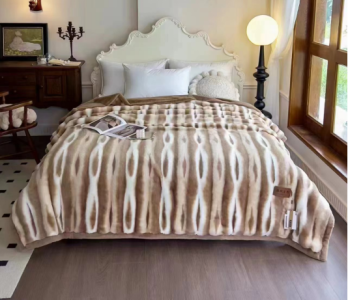
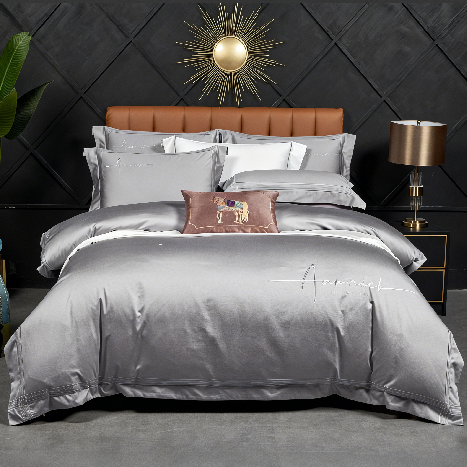
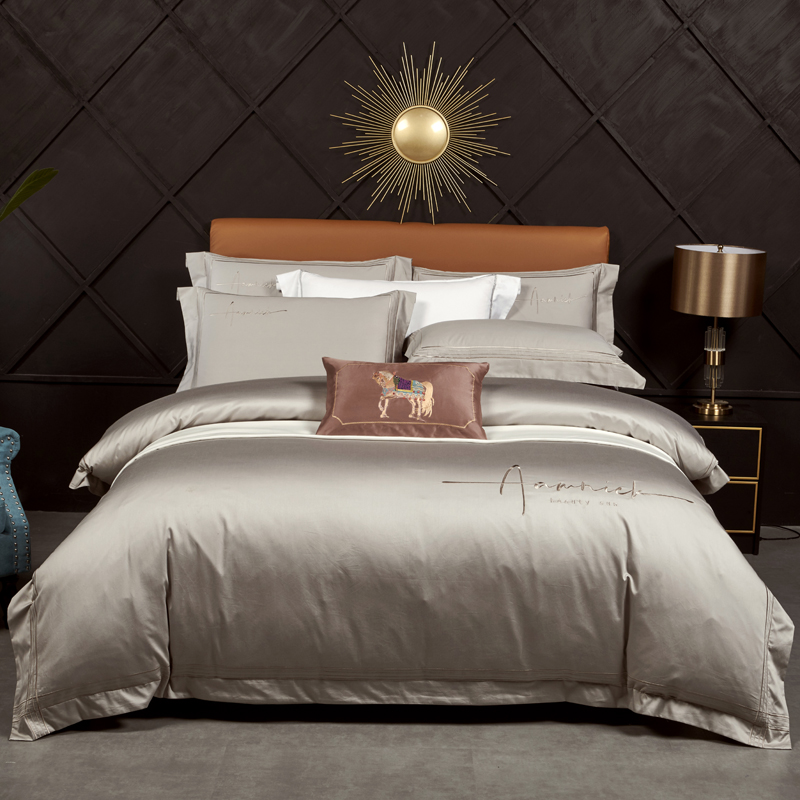
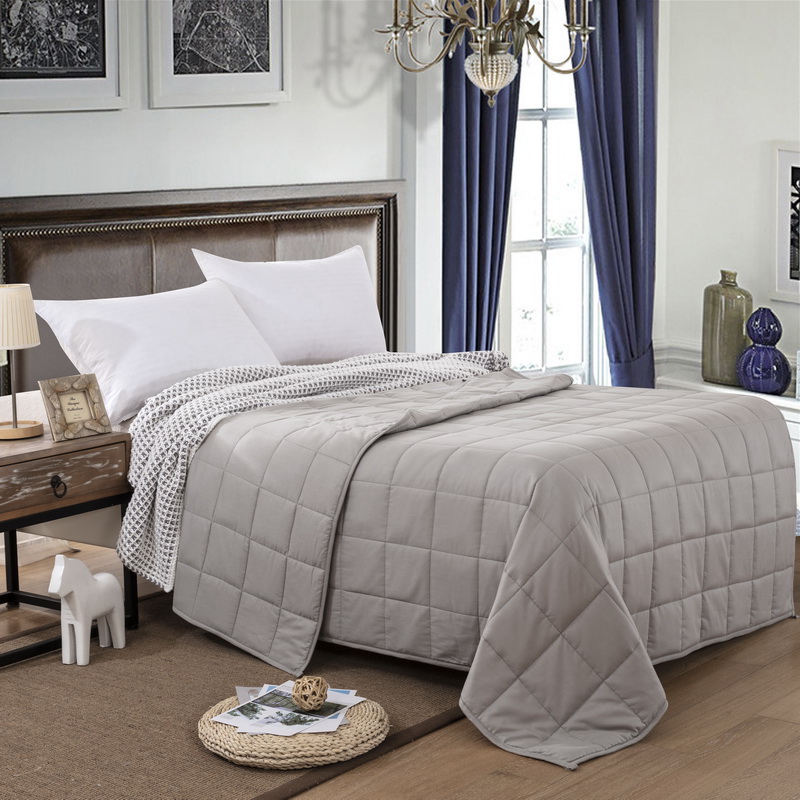
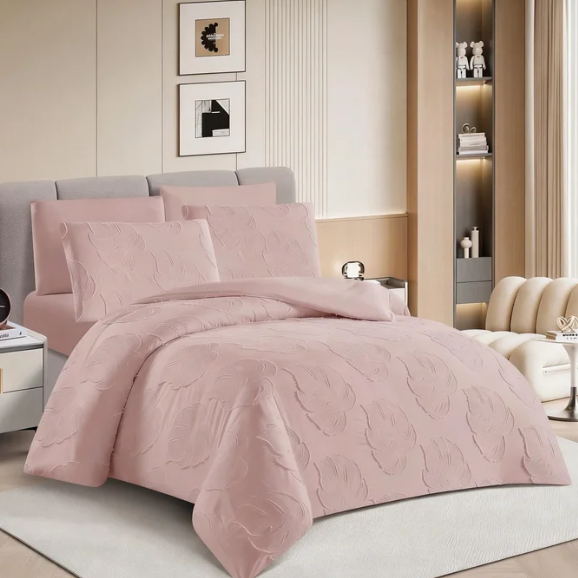
The reference images show clearly how broad the craft blanket category has become. Some styles use embossed logos or geometric motifs to create a quiet luxury feel. Others feature lace trim, crown embroidery, border details, or rich tonal surfaces to target premium bedroom décor. Some emphasize faux fur texture and dramatic shading for a more fashionable, high-end home atmosphere. Others rely on elegant cut patterns and sculpted surfaces to create visual depth without complex printing.
This diversity is exactly why the category has strong market value.
A well-made craft blanket can serve different channels at the same time. It can fit home décor retail, department stores, online lifestyle shops, gift markets, boutique bedding brands, premium promotions, and even hospitality or interior project programs. Compared with basic blankets, craft blankets usually offer a higher perceived value and a stronger story for the end customer. They do not compete only on warmth. They compete on aesthetics, room styling, and emotional appeal.
For overseas buyers, this means better margin potential and more room for product differentiation.
However, it also means more technical risk if the factory lacks the right experience.
What Buyers Really Worry About in Craft Blanket Sourcing
When buyers source craft blankets internationally, their concerns are usually very practical.
Will the decorative pattern look refined or cheap in bulk production?
Will embossed or carved details remain clear after packing and transport?
Will lace trimming stay neat and secure, or will it wave and deform?
Can the fabric keep its softness without shedding too much?
Will the blanket drape naturally on a bed, or feel stiff and overprocessed?
Can color matching stay stable across larger orders and replenishment programs?
Will sewing quality match the visual standard of the product concept?
Can the supplier maintain consistency between sample approval and container shipment?
These are real sourcing pain points, especially in decorative blanket categories where small details strongly affect the final value perception.
At our Nantong factory, we do not wait for these issues to become problems. We build our process around preventing them.
Our approach is simple: if a buyer is investing in a decorative blanket rather than a basic commodity blanket, then every visible and invisible quality point must support that decision.
The Fabric Is the Foundation of Every Successful Craft Blanket
No decorative technique can save a weak base fabric. In craft blanket production, the fabric itself determines not only hand feel, but also how well patterns, trimming, edging, embossing, and final shaping will perform.
That is why our first focus is always material selection and construction planning.
Depending on the target market and product style, craft blankets may require different fabric directions. Some need a soft flannel-like surface for embossing and gentle relief patterns. Some require thicker, richer plush textures for luxury bedroom use. Some need a shorter pile to support logo clarity or geometric precision. Some styles benefit from a denser surface to enhance drape and warmth.
We assess the product not just from a visual standpoint, but from a commercial performance standpoint.
Our development process considers:
Surface softness and fullness
Pile density and stability
Fabric weight and drape
Embossing suitability
Decorative edge compatibility
Color development behavior
Shrinkage control
Wash performance
Anti-pilling expectations
Surface recovery after compression
Because decorative blankets often rely on coordinated visual themes, we also help buyers build product lines in an organized way. For example, when a collection is based on specific textures, patterns, or seasonal colors, it is best to develop those programs with a structured material plan. This helps ensure stronger consistency in both current orders and future repeat production, while making the overall program more efficient and scalable.
Embossing, Carving, and Surface Design Need Real Technical Control
Many buyers are attracted to craft blankets because of the elegant details visible on the fabric surface. In the images provided, we can see raised motifs, cut textures, tonal patterning, faux fur shading, and refined visual depth created by fabric finishing techniques rather than simple printed graphics.
But these effects are only successful when the factory understands how to control them.
Embossed or carved effects depend on the right relationship between pile height, base density, temperature, pressure, pattern depth, and finishing sequence. If the process is too aggressive, the fabric can harden or lose softness. If it is too weak, the pattern becomes vague. If the blanket is packed incorrectly, the decorative effect may flatten or become uneven before it reaches the buyer.
Our factory handles these details through controlled development and production management. Before bulk manufacturing, we review whether the chosen fabric can actually support the intended decorative effect. We check pattern expression, depth, surface clarity, and recovery after handling. In this way, we help buyers avoid a common mistake in this category: approving a design idea that looks attractive in concept but becomes unstable in real mass production.
Decorative Trims and Borders Are Small Details with Big Consequences
In higher-value craft blankets, the edge treatment often determines whether the product feels special. Lace borders, stitched frames, contrast binding, decorative hem finishes, embroidered corner elements, and matching edge trims all contribute to a more premium and distinctive appearance.
At the same time, they introduce extra production difficulty.
If lace is applied with poor tension control, it can ripple or distort. If edge sewing is unstable, the blanket can twist or fail to lay flat. If the trim color does not harmonize with the main fabric, the product can feel visually unbalanced. If the decorative element is not durable, it may become the first point of customer complaint.
This is why we treat trim work as a structural part of the blanket, not merely decoration.
Our production team checks:
Trim application accuracy
Sewing stability
Corner finishing
Edge alignment
Drape behavior after assembly
Visual consistency across the full blanket
Compatibility between trim material and main fabric
For buyers, that means a better chance of receiving a finished product that feels complete, polished, and retail-ready rather than improvised.
Luxury Appearance Must Still Be Practical
A craft blanket should feel beautiful, but it must also work in real life. End consumers will touch it, fold it, spread it across the bed, wash it according to care instructions, and evaluate whether it keeps its appearance after use.
That is why we pay close attention not only to decorative performance, but also to daily usability.
A blanket that looks luxurious but sheds excessively will not earn repeat sales.
A blanket with elegant borders but poor wash behavior will not build customer trust.
A blanket with rich faux fur texture but weak surface stability may create returns and complaints.
Our role is to help buyers avoid these hidden risks.
During development and production, we evaluate:
Surface shedding tendency
Pilling resistance
Weight consistency
Drape recovery
Edge durability
Colorfastness
General care performance
This is especially important for overseas importers, because the product often travels through long supply chains before it reaches the final consumer. A blanket must survive packing, shipping, warehousing, display, and home use while still delivering the expected experience.
Color and Style Consistency Matter More in Decorative Collections
Craft blankets are often sold as part of a room concept, not just as individual items. Buyers may pair them with bedding sets, decorative cushions, pillow shams, or matching room accessories. In these situations, color consistency becomes even more important than in basic blanket programs.
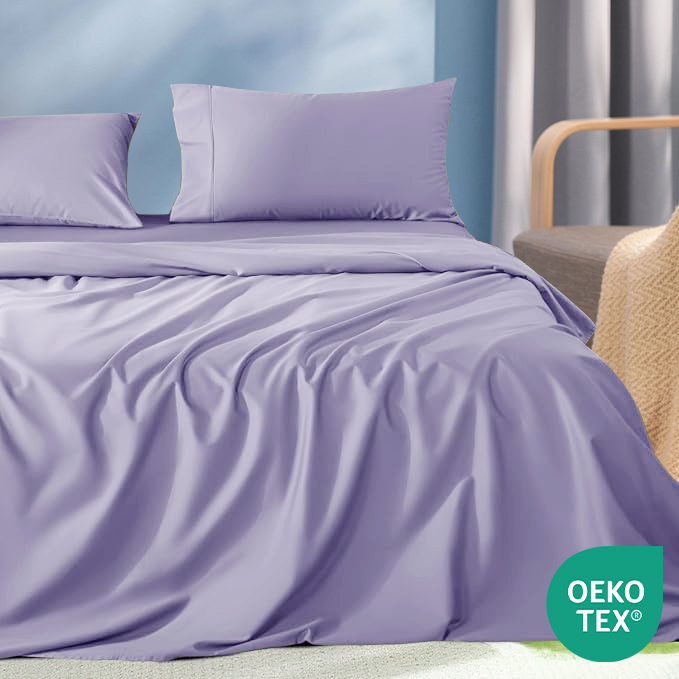
A soft purple luxury blanket cannot shift noticeably between shipments. A charcoal decorative style with lace trim must keep the same mood and sophistication in repeat orders. A warm beige faux fur design must remain stable enough for ongoing collection planning.
We support this by managing color communication carefully during development and monitoring execution during production. For buyers planning a collection strategy rather than one-time spot buying, we usually recommend a structured approach to color and pattern development. This supports better continuity, more stable supply, and easier repeat business over time.
Packaging Is Part of the Value Story
Craft blankets are visual products. They are often sold as gifts, room-upgrade pieces, or premium comfort items. That means packaging should reinforce their value.
Our Nantong factory works with buyers to create packaging that suits the market channel and product positioning. Depending on the blanket style, we can provide:
Folded retail packing
Ribbon presentation
Custom insert cards
Zipper bags
PVC or PE packaging
Brand labels and barcode support
Gift-oriented presentation options
Carton planning for retail, wholesale, or e-commerce programs
Because decorative blankets may have bulkier trims, richer pile, or larger bed-cover dimensions, packing must also protect the product without damaging its shape or surface details. We take that into account from the beginning.
Why Nantong Is the Right Place for This Category
A good factory is important, but in home textiles, a strong production region creates additional advantages. Our factory is located in Nantong, one of the most important home textile centers in the world.
For overseas buyers, Nantong offers more than manufacturing capacity. It offers ecosystem strength.
Nantong’s home textile industry brings together fabric suppliers, dyeing resources, embossing and finishing specialists, trimming partners, sewing capacity, packaging providers, and export support services in one mature production region. That means better coordination, faster development, and more efficient problem solving.
For buyers, the advantages are very practical:
Sampling can move faster because supply chain partners are nearby.
Material adjustments can be handled more efficiently.
Decorative processes can be matched to the right production resources.
Repeat orders are easier to manage within a stable textile ecosystem.
Product development can be more ambitious because the supporting supply chain is stronger.
In short, Nantong gives buyers a sourcing environment built specifically for home textile success.
What Makes Our Factory a Better Partner for Overseas Buyers
We know that buyers are not only comparing products. They are comparing risk.
They want a supplier that understands details before mistakes happen.
They want honest sampling, not unrealistic prototypes.
They want quality that can survive both shipping and market expectations.
They want communication that helps them make decisions faster.
They want a factory that understands that decorative value must still be manufacturable at scale.
That is how we work.
Our factory focuses on:
Requirement clarification before sampling
Material selection based on product positioning
Pattern and decorative feasibility review
In-line quality checks during production
Finished product inspection for size, appearance, trim quality, and packing
Responsive cooperation for long-term program building
We also understand that serious buyers often need customized development. This may include exclusive fabrics, tonal embossed motifs, specific trim programs, room-matching colors, coordinated accessories, or private label packaging. We support these needs through planned development rather than fragmented sourcing.
Conclusion
Craft blankets are one of the most attractive categories in modern home textiles because they offer more than comfort. They bring style, decorative value, gift potential, and stronger brand expression. But they also require more technical control than many suppliers realize.
For overseas buyers, success in this category depends on choosing a factory that understands both visual design and production reality.
Our Nantong factory combines those strengths.
With deep experience in home textile manufacturing, access to Nantong’s world-class supply chain, and a production philosophy centered on the buyer’s real concerns, we help importers, retailers, and brand owners source craft blankets with more confidence and better long-term results.
When you choose our factory, you are not simply buying a decorative blanket.
You are choosing a manufacturing partner that understands how to turn design into dependable business.

Reviews
There are no reviews yet.