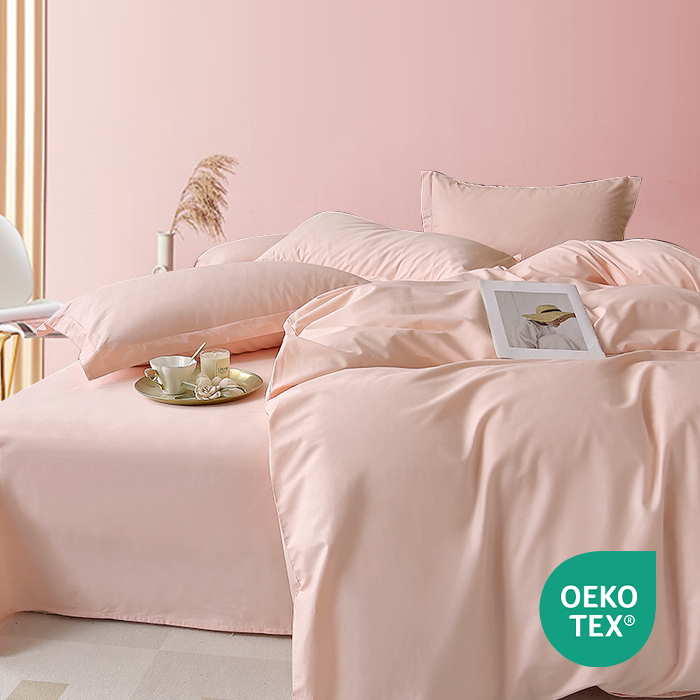
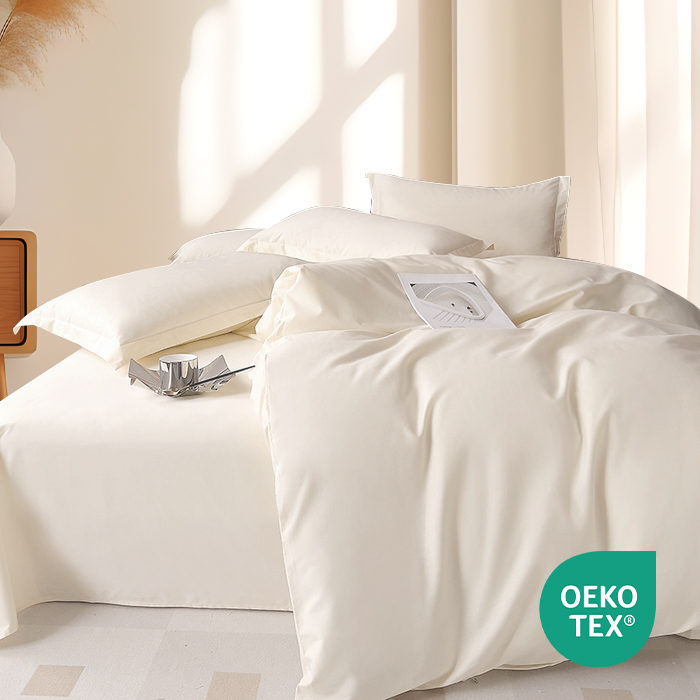
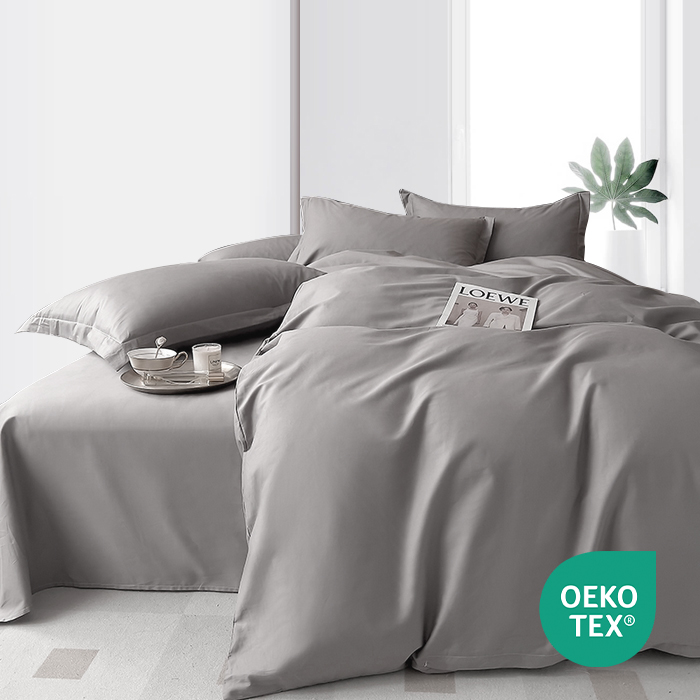
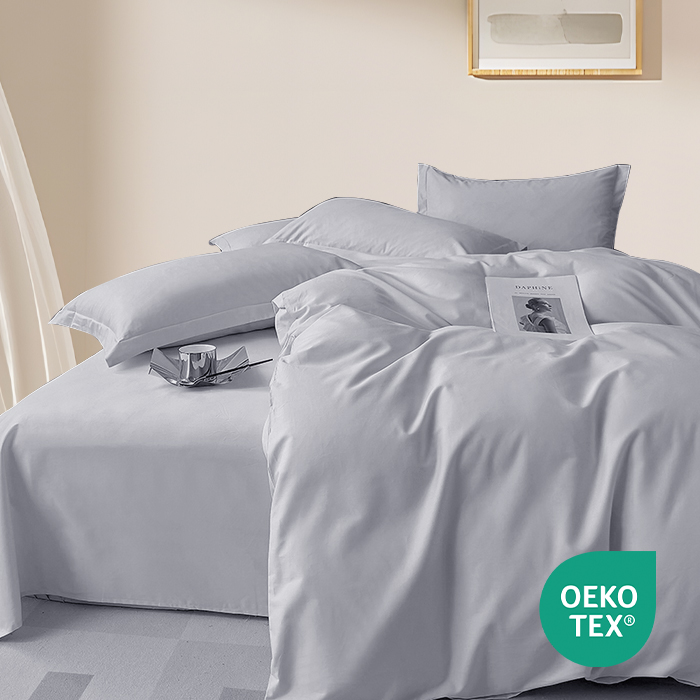
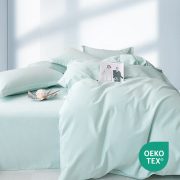
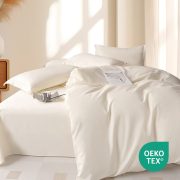
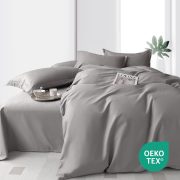
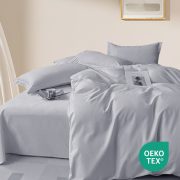
50S 300TC 100% cotton duvet cover set description
In structured bedding wholesale programs, fabric specification is rarely a question of superiority. Instead, it is a matter of positioning, market alignment, and cost architecture. Within cotton bedding collections, 50S 300TC and 60S 300TC constructions represent two closely related yet functionally distinct specifications. Both belong to refined cotton categories, yet each serves a different procurement strategy and retail segment.
The 50S 300TC cotton duvet cover set is developed as a balanced and commercially stable construction. It combines medium-fine yarn count with a 300 thread count density, resulting in a fabric that offers durability, breathable comfort, and cost efficiency. Rather than competing with 60S 300TC cotton, it functions alongside it within a structured product matrix.
Understanding the difference between 50S and 60S yarn count is essential. Yarn count indicates the fineness of the cotton yarn. A 60S yarn is finer than a 50S yarn. When woven at the same 300 thread count density, these two yarn counts create fabrics that differ subtly in surface texture, drape behavior, and cost structure.
In a 50S 300TC construction, the slightly thicker yarn contributes to structural stability. The surface feels smooth yet retains a certain crispness that many consumers associate with classic cotton bedding. The fabric body is supportive, and the drape is controlled rather than fluid. This characteristic makes it suitable for customers who prefer a defined cotton hand feel without excessive softness.
In contrast, a 60S 300TC cotton fabric, using finer yarns at the same thread density, produces a smoother surface and a softer tactile perception. The drape tends to be lighter and more fluid. While both specifications share the same 300 thread count, the yarn fineness changes the overall impression.
From a wholesale perspective, these differences translate into distinct positioning rather than hierarchical ranking. The 50S 300TC cotton duvet cover set is often selected for mid-to-upper-tier programs where durability, stability, and balanced cost control are key priorities. The 60S 300TC version may be positioned slightly more toward refined texture-focused segments.
Thread count alone does not define fabric performance. At 300TC, both 50S and 60S constructions provide sufficient density to ensure durability, seam strength, and dimensional stability. The difference lies primarily in yarn diameter and surface refinement. Therefore, when buyers compare these two specifications, they should evaluate tactile preference, target price range, and seasonal assortment strategy.
Fabric cost plays a decisive role in this comparison. Because 60S yarn requires finer spinning and more controlled raw cotton selection, its yarn cost is generally higher than 50S yarn. When woven at equal density, this difference directly affects greige fabric cost. In mid-to-high-end bedding production, fabric often represents the largest percentage of total finished product value. Even small differences in yarn cost can influence overall pricing structure at container scale.
The 50S 300TC cotton duvet cover set offers a commercially efficient balance. It maintains refined construction standards while keeping yarn cost at a controlled level. For distributors managing broad SKU assortments, this specification allows volume planning with stable margin management.
From a tactile standpoint, 50S 300TC cotton provides a smooth yet structured surface. The slightly thicker yarn contributes to durability and reduces the perception of fragility. After finishing processes such as pre-washing or enzyme treatment, the fabric achieves softness without losing its supportive body. This combination aligns well with markets that appreciate traditional cotton comfort with modern refinement.
In contrast, 60S 300TC cotton presents a more delicate hand feel due to finer yarn diameter. While both fabrics remain breathable and suitable for year-round use, 60S may be perceived as lighter in hand, whereas 50S maintains a slightly fuller presence.
In terms of longevity, both specifications perform reliably when woven and finished under controlled standards. The 300 thread count density ensures adequate yarn interlocking for seam strength and wash durability. However, because 50S yarn is marginally thicker, some buyers prefer it for hospitality or higher-rotation retail channels where durability is emphasized.
Visually, the difference between 50S and 60S 300TC cotton is subtle but noticeable under close inspection. The 60S construction tends to display a smoother, slightly more refined surface texture. The 50S fabric exhibits a clean and even appearance with a slightly more defined weave character. Both maintain a matte cotton aesthetic suitable for contemporary bedding collections.
From a procurement standpoint, production planning for both specifications requires stable weaving allocation. Each color typically requires approximately 2,000 meters of weaving to ensure dye lot consistency. Because yarn count affects raw material sourcing schedules, forecast confirmation is particularly important when switching between 50S and 60S programs.
Deposit structure in wholesale cooperation is closely related to fabric cost proportion. Since fabric accounts for a significant percentage of finished bedding value, yarn specification influences financial planning. For 50S 300TC cotton programs, fabric unit cost remains relatively moderate within the refined cotton category, allowing deposit ratios to remain balanced and accessible for broader SKU expansion.
When moving to 60S 300TC cotton, higher yarn cost increases fabric value proportionally. In such cases, deposit ratios may be adjusted accordingly to reflect material commitment. This proportional structure is not a barrier but a transparent mechanism aligning financial responsibility with raw material exposure. It ensures fairness and production stability for both buyer and manufacturer.
Our manufacturing base in Nantong integrates weaving, dyeing, finishing, cutting, and sewing within a coordinated supply chain. Monthly bedding output reaches approximately 40,000 sets across multiple cotton specifications, including 40S, 50S, and 60S yarn constructions. This integrated structure allows buyers to operate tiered cotton programs without shifting suppliers.
Quality control procedures apply equally to both 50S and 60S specifications. Greige inspection verifies yarn uniformity and density. Dyeing processes are monitored for shrinkage control and color fastness. Finished dimensions are checked to maintain size accuracy across US, EU, and AU standards. Final AQL inspection ensures consistency before shipment.
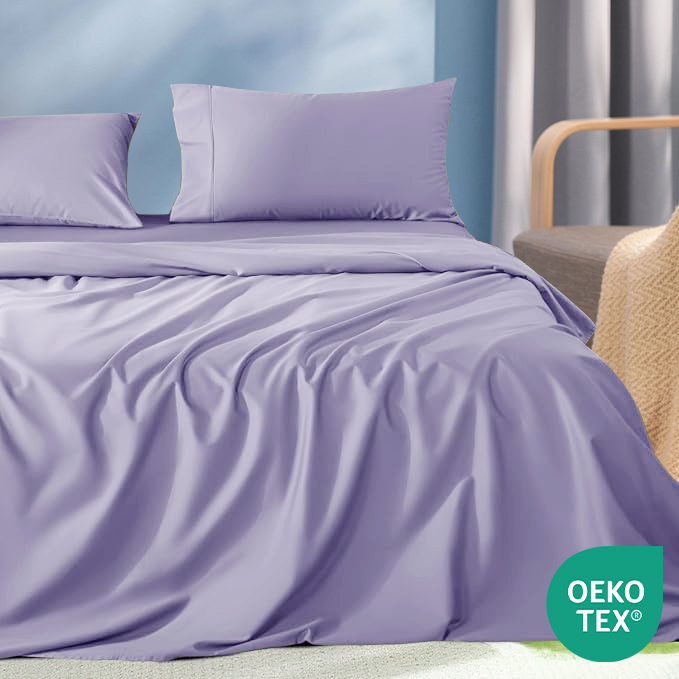
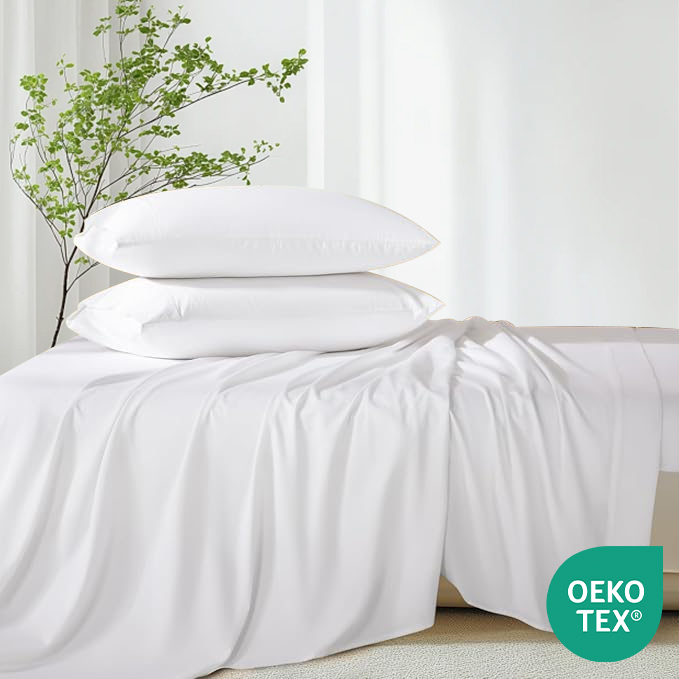
All cotton fabrics comply with OEKO-TEX Standard 100 requirements. Factory systems operate under ISO9001, ISO14001, ISO45001, and SA8000 certifications, providing operational reliability for international distribution.
In a structured product matrix, 50S 300TC cotton often serves as a core volume program, while 60S 300TC cotton functions as a refined extension within the same collection. Rather than replacing each other, they create a layered offering strategy. Retailers can present clear but moderate differentiation without overcomplicating consumer choice.
For example, a distributor may maintain 50S 300TC cotton in a primary neutral color range for stable replenishment, while offering 60S 300TC cotton in selected premium shades or seasonal launches. This approach allows inventory control while maintaining perceived variety.
In terms of climate adaptability, both constructions perform well due to cotton’s natural breathability. The difference lies more in tactile refinement than thermal behavior. Therefore, selection between 50S and 60S 300TC should prioritize target retail positioning and pricing architecture rather than seasonal temperature concerns.
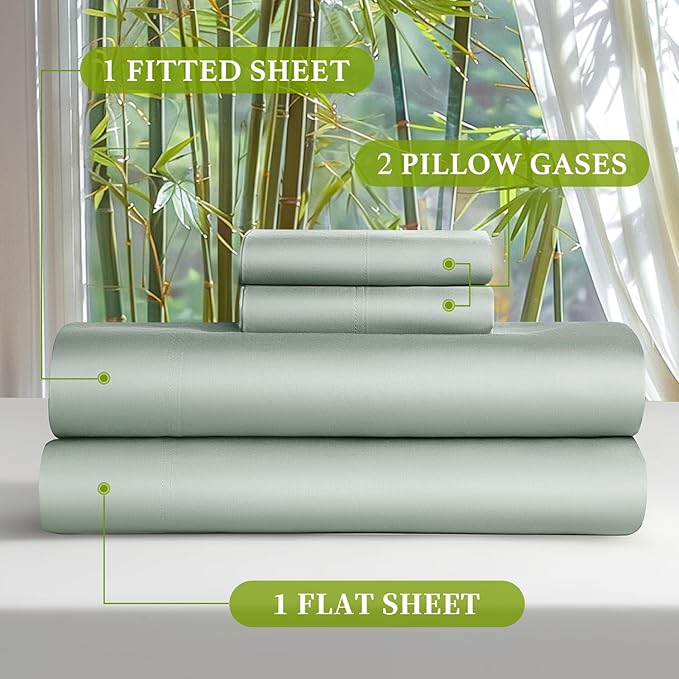
Standard configuration includes duvet cover with concealed zipper or button closure and matching pillowcases in envelope or Oxford style. Size grids can be standardized across both specifications to simplify packaging and warehouse management.
For importers and distributors managing container-based procurement, maintaining parallel specifications within one factory ensures weaving consistency, dye continuity, and sewing standardization. Switching yarn count within the same operational system reduces learning curve and quality risk.
In global bedding markets where consumers increasingly evaluate products based on tactile experience and price transparency, clearly defined cotton specifications enhance credibility. By explaining the structural difference between 50S and 60S yarn counts, retailers can present informed choices without implying hierarchical superiority.
The 50S 300TC cotton duvet cover set stands as a commercially efficient, structurally stable, and widely adaptable construction. The 60S 300TC cotton version offers enhanced surface refinement within the same density framework. Together, they form a coherent cotton series that supports diversified retail strategies.
As a production-oriented manufacturer, our objective is to support long-term cooperation through scalable manufacturing, transparent cost structures, and proportional financial arrangements. By aligning yarn specification, fabric cost proportion, and deposit ratio mechanisms, we aim to create partnerships built on operational clarity and sustainable growth.
Within a balanced cotton program, 50S 300TC and 60S 300TC are not competitors but complementary structures. Each contributes to a layered product strategy that addresses varying consumer expectations while maintaining supply chain stability. Through controlled weaving, consistent quality management, and structured procurement planning, both specifications can serve as dependable components in mid-to-high-end bedding collections.






Reviews
There are no reviews yet.