40S 200TC Washed cotton duvet cover set description
In structured bedding wholesale programs, differences in fabric identity do not always originate from yarn count alone. In many cases, finishing processes create distinct product personalities within the same base specification. The 40S washed cotton duvet cover set and the 40S standard cotton duvet cover set illustrate this principle clearly. Both begin with the same yarn count foundation, yet their finishing methods, tactile expression, and market positioning create two differentiated product directions within one cotton series.
Understanding 40S yarn count is the starting point. Compared with 50S or 60S yarns, 40S cotton yarn is slightly thicker in diameter. When woven into bedding fabrics, it provides structural stability, durability, and a naturally breathable hand feel. Because of this balance, 40S constructions are widely used in core volume bedding programs across global markets.
The distinction between 40S washed cotton and 40S standard cotton does not lie in fiber origin or yarn fineness. Both use cotton yarn spun to 40S specification. The difference emerges during finishing.
Standard 40S cotton fabric undergoes conventional processes such as weaving, dyeing, heat setting, and quality inspection. The result is a clean, structured cotton surface with defined weave clarity. The fabric retains a moderate crispness and dimensional stability that many distributors consider ideal for classic bedding collections.
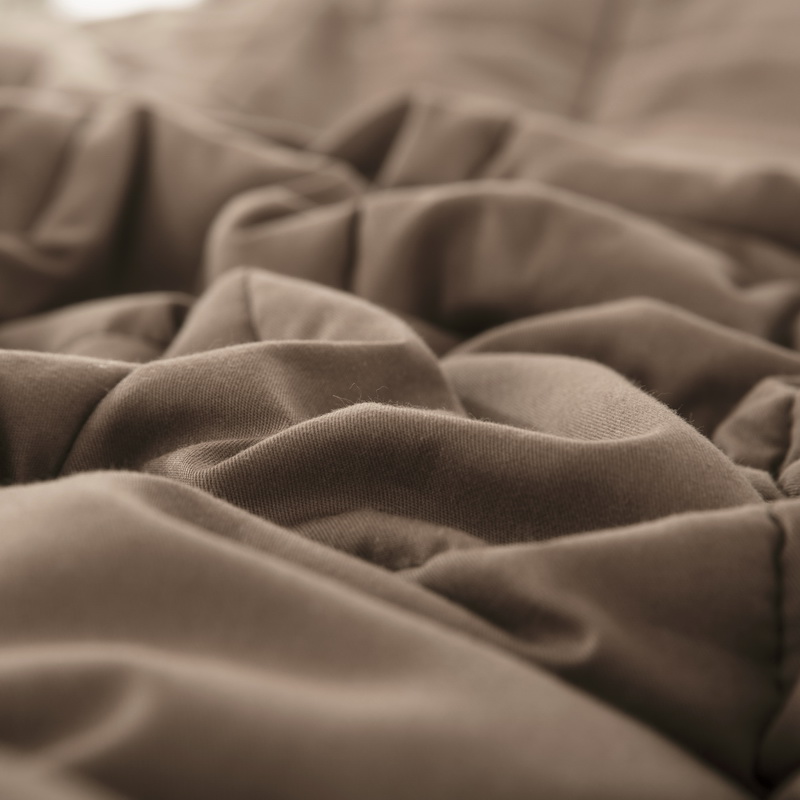
In contrast, 40S washed cotton undergoes an additional washing or garment-washing process after dyeing and sometimes after sewing. This washing stage may involve enzyme washing, soft washing, or controlled mechanical tumbling. The objective is not to weaken the fabric, but to alter surface tension, soften the hand feel, and create a relaxed appearance.
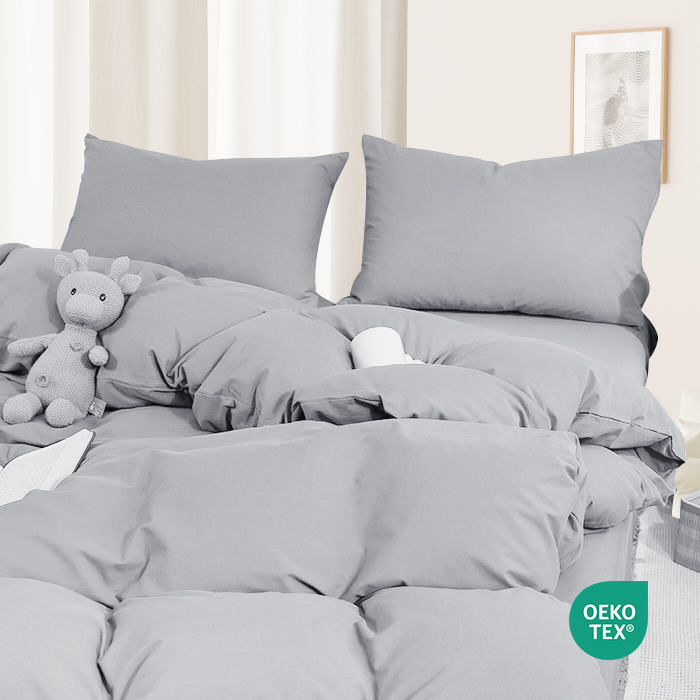
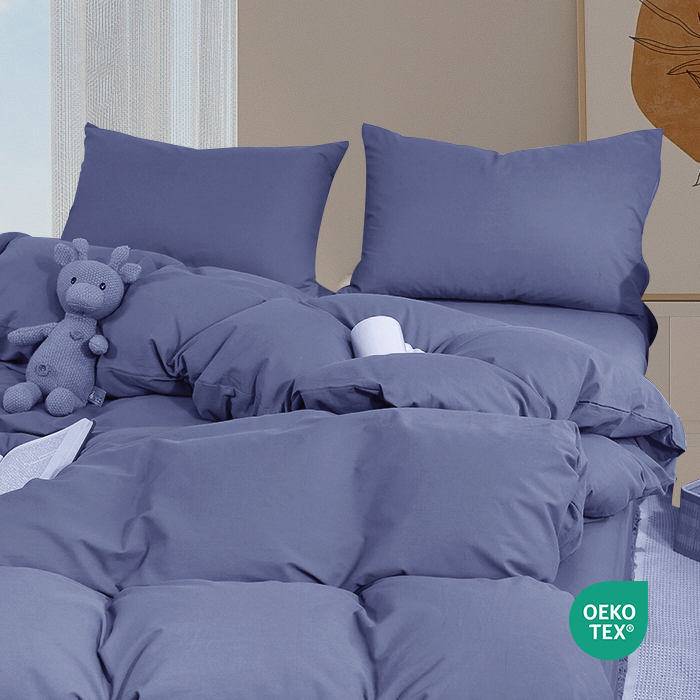
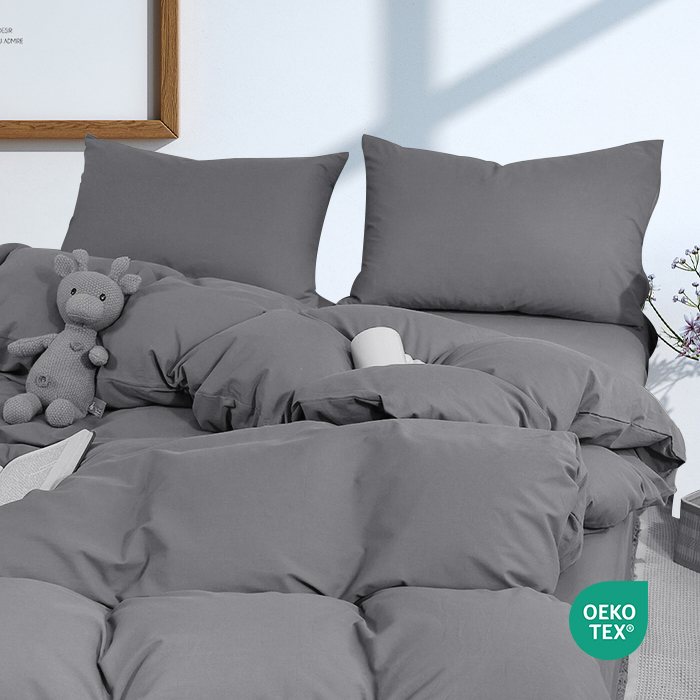
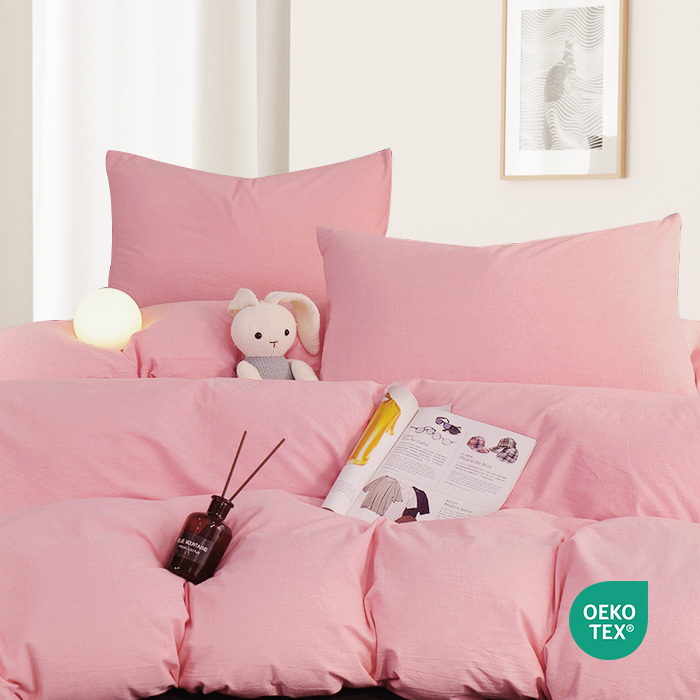
As a result, the washed cotton version presents a more casual, lived-in aesthetic. The surface appears slightly matte and gently textured. Minor natural creasing or subtle wrinkling becomes part of the design language. This distinguishes it visually from the smoother and more structured appearance of standard 40S cotton.
From a tactile perspective, 40S standard cotton offers a balanced hand feel — smooth, breathable, and structured. It maintains a degree of crispness that communicates freshness and cleanliness, especially in hotel-style bedding collections.
40S washed cotton, however, emphasizes softness and relaxation. The additional washing process reduces surface stiffness and enhances drape fluidity. Consumers often describe the sensation as more flexible and immediately comfortable, even before repeated home laundering.
For wholesale buyers, this difference represents positioning rather than hierarchy. Standard 40S cotton is often selected for structured retail programs, hospitality supply chains, and customers who value a neat, uniform bed presentation. Washed 40S cotton aligns well with lifestyle-focused retail environments, contemporary home brands, and markets favoring relaxed interior aesthetics.
Fabric cost structure also reflects this process difference. While both versions share the same yarn base, washed cotton includes additional processing steps. Washing requires water, energy, labor, and controlled finishing environments. These factors increase production cost compared with standard finishing.
However, because 40S yarn itself remains within a commercially efficient range, the overall cost remains manageable for mid-market and upper-mid-market positioning. The difference in cost between washed and non-washed versions is primarily related to finishing intensity rather than raw material expense.
In mid-to-high-end bedding production, fabric represents a significant proportion of total finished product cost. For 40S constructions, yarn cost is relatively stable compared with finer yarn counts. Therefore, deposit structures can remain balanced and accessible. When washed finishing is added, the incremental cost may influence deposit proportion slightly, but not to the same extent as higher yarn count upgrades.
Linking deposit ratio to fabric value remains a transparent mechanism for cooperation. Since washed cotton involves additional finishing investment before shipment, proportional deposit alignment ensures that production scheduling and financial exposure are fairly distributed between manufacturer and buyer. This system supports long-term stability without creating unnecessary barriers.
From a durability standpoint, both 40S standard cotton and 40S washed cotton maintain reliable structural integrity. Because the yarn count is the same, base tensile strength remains comparable. The washing process is carefully controlled to avoid excessive fiber damage. Proper enzyme dosage and mechanical calibration ensure that softness is enhanced while durability is preserved.
Visually, the difference between the two becomes evident in presentation. Standard 40S cotton bedding tends to display sharper edges and smoother surfaces after ironing. It is suitable for photography emphasizing clarity and symmetry.
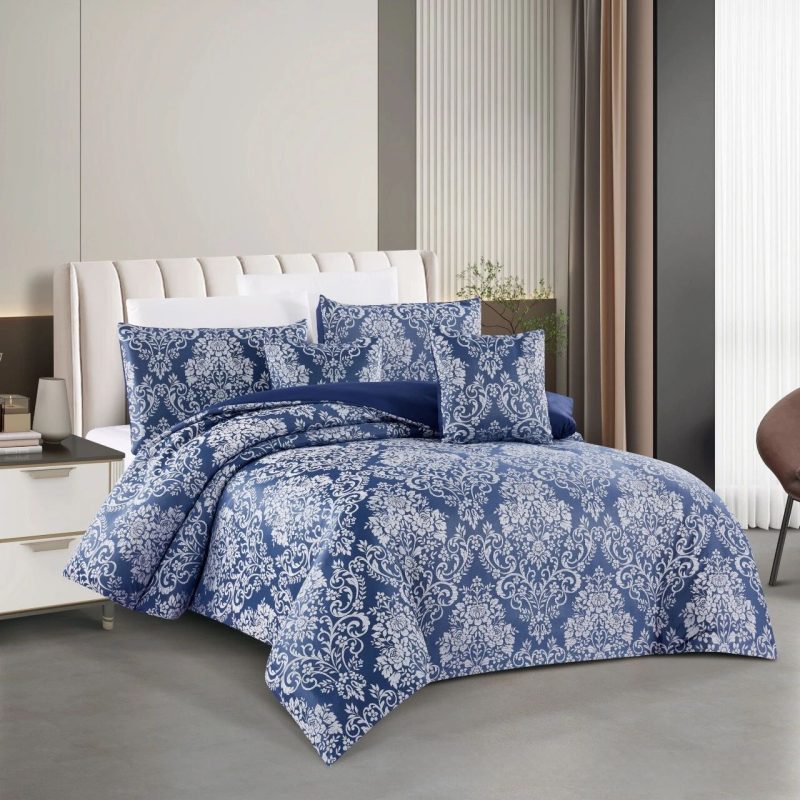
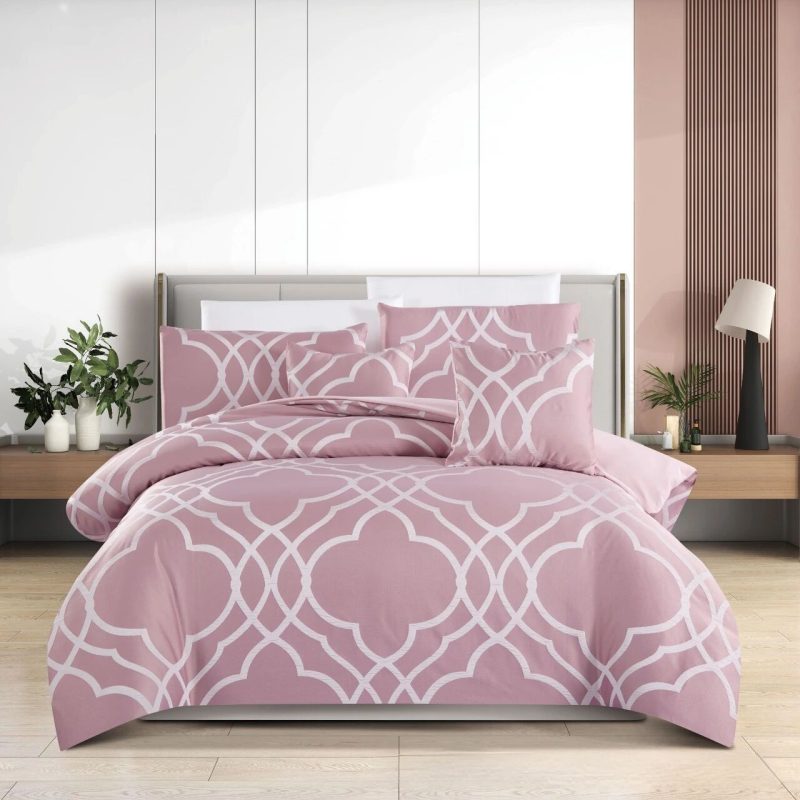
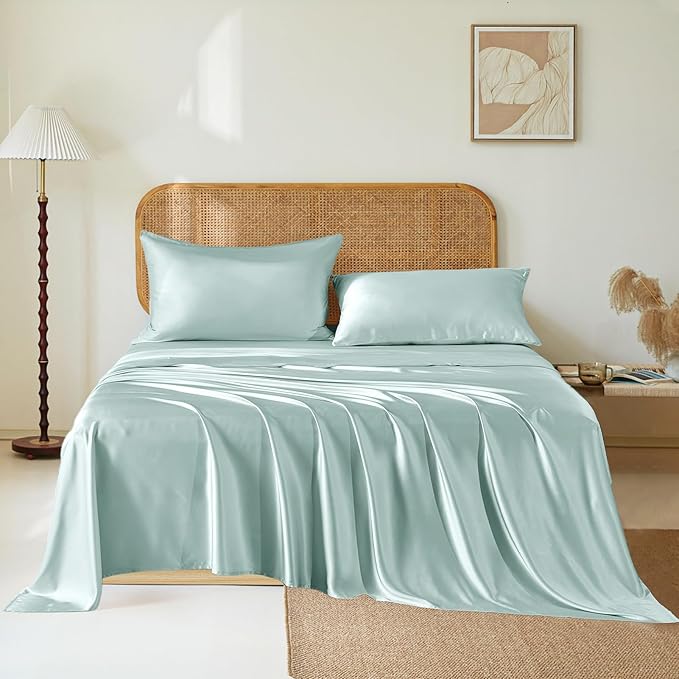
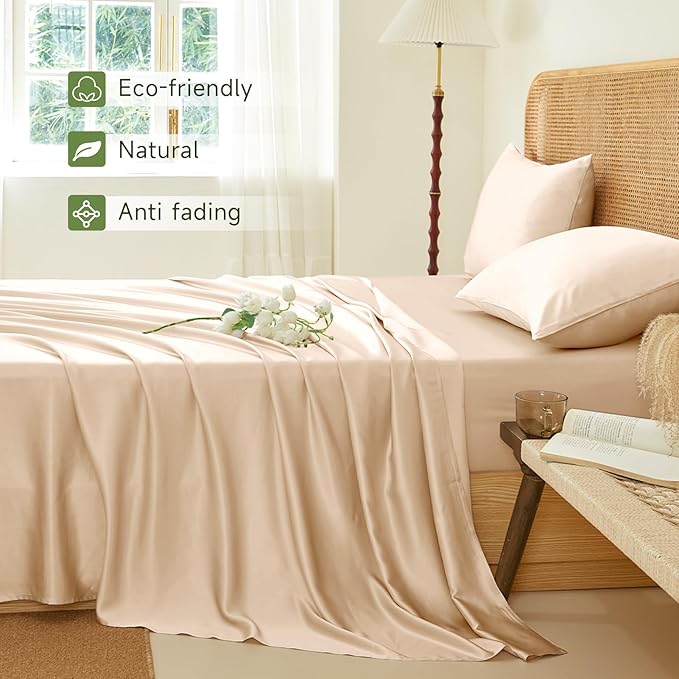
Washed cotton bedding, on the other hand, is often styled with natural folds and relaxed drape. The subtle surface variation adds depth and warmth to bedroom settings. This aesthetic aligns well with Scandinavian, minimalist, or casual lifestyle themes.
Breathability and moisture management remain consistent between both constructions, as both rely on 100% cotton fiber. Cotton’s natural airflow and absorption properties make 40S fabrics suitable for year-round use in temperate climates. The washing process does not alter fiber composition, only surface tension and hand feel.
In wholesale product matrix planning, 40S standard cotton often serves as a core baseline program. It provides cost efficiency, durability, and universal appeal. 40S washed cotton can then function as an adjacent extension within the same yarn series, offering aesthetic differentiation without introducing a completely new fiber category.
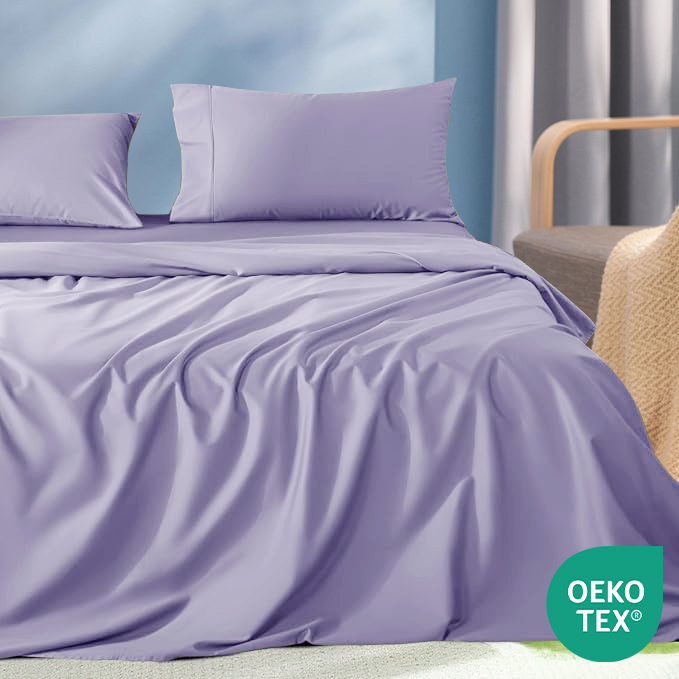
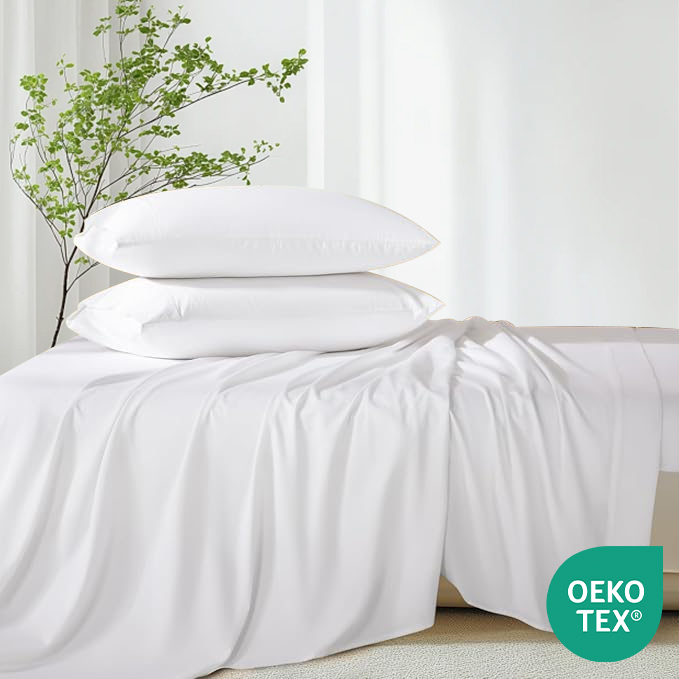
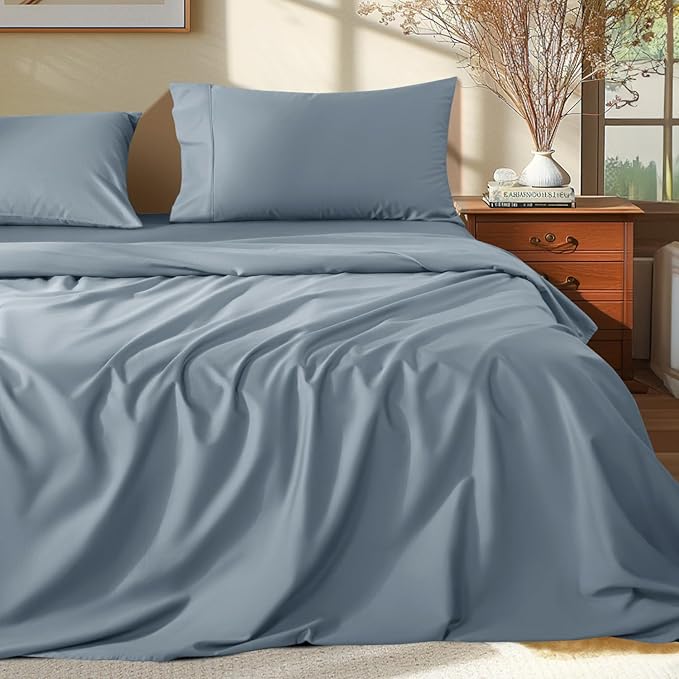
For example, a distributor may maintain standard 40S cotton in classic colors such as white, ivory, and light grey for replenishment programs. Meanwhile, washed 40S cotton may be introduced in earth tones, muted greens, or soft blues that complement its relaxed character. This layered strategy increases SKU diversity while maintaining operational continuity.
From a manufacturing perspective, both constructions benefit from integrated supply chain management. Our Nantong production base coordinates weaving, dyeing, washing, cutting, and sewing under one system. Monthly capacity of approximately 40,000 bedding sets allows balanced scheduling between standard and washed programs.
Quality control procedures apply to both versions. Greige inspection ensures yarn consistency and density accuracy. Dyeing processes are monitored for color fastness and shrinkage control. For washed cotton, additional testing verifies dimensional stability after finishing. Final AQL inspection ensures visual and structural consistency prior to shipment.
All cotton fabrics comply with OEKO-TEX Standard 100 requirements. Factory operations follow ISO9001 quality management systems and ISO14001 environmental management systems, as well as ISO45001 and SA8000 standards. These certifications support compliance requirements in global distribution.
When comparing 40S washed cotton with 40S standard cotton, the most significant difference lies in surface personality rather than structural performance. Both share the same yarn base, density potential, and breathable comfort. The washing process modifies tactile expression and visual identity, creating two distinct retail narratives within one technical foundation.
In markets where consumers appreciate crisp hotel-style bedding, standard 40S cotton remains a stable and dependable choice. In markets emphasizing casual comfort and contemporary interior trends, washed 40S cotton provides a differentiated alternative.
For importers and distributors managing diversified product portfolios, offering both constructions within one supplier system simplifies logistics and quality control. Yarn sourcing remains consistent, weaving specifications remain stable, and only finishing protocols differ. This reduces operational complexity while expanding market coverage.
In conclusion, the 40S washed cotton duvet cover set represents a finishing-driven variation within the 40S cotton category. It emphasizes softness, relaxed drape, and lifestyle aesthetics. The 40S standard cotton duvet cover set maintains structure, clarity, and classic cotton expression. Neither replaces the other. Instead, they form a complementary pair within a coherent cotton program.
Through controlled finishing processes, transparent cost alignment, and integrated production management, both constructions support scalable wholesale cooperation. By understanding their similarities and differences, buyers can position each specification effectively within mid-market and upper-mid-market bedding strategies, ensuring both product diversity and supply chain stability.















Reviews
There are no reviews yet.